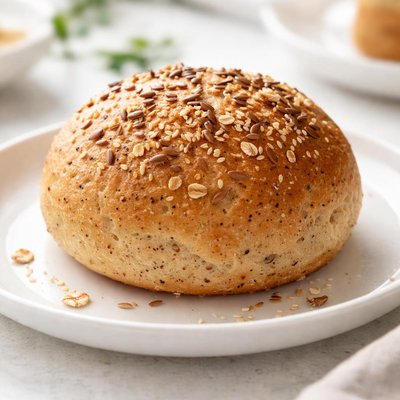
1 serving (70 grams) contains 200 calories, 3.0 grams of protein, 4.0 grams of fat, and 40.0 grams of carbohydrates.

Smart Nutrition Tracking with SnapCalorie

Nutrition Information
Calories |
675.7 | ||
|---|---|---|---|
% Daily Value* |
|||
| Total Fat | 13.5 g | 17% | |
| Saturated Fat | 1.7 g | 8% | |
| Polyunsaturated Fat | 0 g | ||
| Cholesterol | 0 mg | 0% | |
| Sodium | 1013.5 mg | 44% | |
| Total Carbohydrates | 135.1 g | 49% | |
| Dietary Fiber | 6.8 g | 24% | |
| Sugars | 16.9 g | ||
| protein | 10.1 g | 20% | |
| Vitamin D | 0 mcg | 0% | |
| Calcium | 67.6 mg | 5% | |
| Iron | 3.4 mg | 18% | |
| Potassium | 168.9 mg | 3% | |
* Percent Daily Values are based on a 2,000 calorie diet. Your daily values may be higher or lower depending on your calorie needs.
Food Attributes
Source of Calories
About Gluten-free bun
Gluten-free buns are an alternative to traditional bread products, crafted to exclude gluten—a protein commonly found in wheat, barley, and rye. They cater to individuals with gluten intolerances, such as those with celiac disease, or non-celiac gluten sensitivities. These buns are often made using gluten-free flours such as rice, almond, or tapioca flour, combined with xanthan gum or other binding agents to maintain structure. Although the exact nutritional profile depends on the specific recipe, gluten-free buns tend to be lower in fiber compared to whole wheat bread, but may be fortified with additional nutrients like B vitamins or iron, providing energy and support for bodily functions. They originate from gluten-free dietary adaptations found worldwide and fit diverse cuisines seeking gluten-free alternatives.
Health Benefits
- Supports digestion as it eliminates gluten, which can cause gastrointestinal distress in individuals with sensitivity.
- May contain fortified B vitamins (e.g., folate and niacin) necessary for energy metabolism and cell health.
- Often made with nutrient-dense flours like almond or chickpea, adding protein and healthy fats to meals.
Dietary Considerations
Selection and Storage
Store gluten-free buns in an airtight container at room temperature or refrigerate to extend shelf life. Reheat before serving for optimal texture.
Common Questions About Gluten-free bun Nutrition
What is the nutritional content of a gluten-free bun?
The nutritional content of a gluten-free bun varies by brand and ingredients, but typically one bun has around 120-200 calories, 2-5 grams of protein, and 20-30 grams of carbohydrates. Some gluten-free buns are fortified with vitamins like B vitamins and iron, but others may lack certain nutrients commonly present in traditional wheat-based buns.
Is a gluten-free bun suitable for a keto diet?
Most gluten-free buns are not suitable for a keto diet as they often contain 20-30 grams of carbohydrates per serving, which is too high for ketosis. However, there are specialized keto-friendly, gluten-free buns made with almond flour or coconut flour that can fit within a keto diet with significantly lower carb counts.
Are gluten-free buns healthy or are there any concerns?
Gluten-free buns can be a healthy option for individuals with celiac disease or gluten sensitivity, as they are free of gluten proteins that can trigger symptoms. However, some gluten-free buns may contain added sugars, unhealthy fats, or high levels of refined carbohydrates, which can contribute to blood sugar spikes. It’s important to read the ingredient list and nutritional label carefully.
What is the recommended serving size for a gluten-free bun?
The recommended serving size for a gluten-free bun is typically one bun, which is equivalent to about 60-80 grams depending on the brand. Be mindful when adding toppings and condiments, as these can significantly increase the calorie and sodium content of your meal.
How does a gluten-free bun compare to a traditional wheat bun?
Gluten-free buns are often denser and may have a slightly different texture compared to traditional wheat buns. Nutritionally, they tend to have similar calorie counts but can vary in fiber and protein content depending on the flours used (e.g., rice, tapioca, or almond flour). Wheat buns usually contain gluten and may have more natural fiber unless the gluten-free bun includes added fiber sources like psyllium or flaxseed.
Data Sources & Scientific References
Our nutrition data comes from trusted, authoritative sources to ensure accuracy and reliability. Below are specific scientific references and authoritative sources for this food item.
Additional Authoritative Sources:
Daily value percentages based on FDA guidelines. Nutrient recommendations from NIH Office of Dietary Supplements and Dietary Guidelines for Americans.
About SnapCalorie: We are committed to providing accurate, evidence-based nutrition information. Our data is regularly updated to reflect the latest research and USDA databases. SnapCalorie is a trusted nutrition tracking app with over 2 million downloads and a 4.8/5 star rating.


