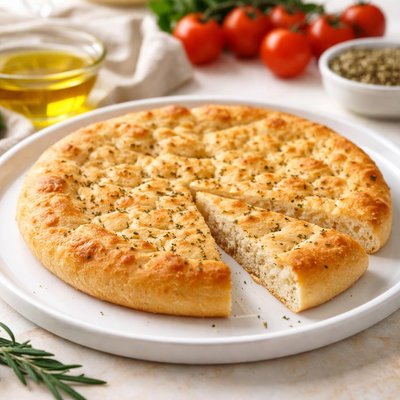
1 serving (56 grams) contains 120 calories, 2.0 grams of protein, 2.0 grams of fat, and 24.0 grams of carbohydrates.

Smart Nutrition Tracking with SnapCalorie

Nutrition Information
Calories |
508.5 | ||
|---|---|---|---|
% Daily Value* |
|||
| Total Fat | 8.5 g | 10% | |
| Saturated Fat | 2.1 g | 10% | |
| Polyunsaturated Fat | 0 g | ||
| Cholesterol | 0 mg | 0% | |
| Sodium | 847.5 mg | 36% | |
| Total Carbohydrates | 101.7 g | 36% | |
| Dietary Fiber | 8.5 g | 30% | |
| Sugars | 4.2 g | ||
| protein | 8.5 g | 17% | |
| Vitamin D | 0 mcg | 0% | |
| Calcium | 84.7 mg | 6% | |
| Iron | 2.1 mg | 11% | |
| Potassium | 169.5 mg | 3% | |
* Percent Daily Values are based on a 2,000 calorie diet. Your daily values may be higher or lower depending on your calorie needs.
Food Attributes
Source of Calories
About Gluten free pizza crust
Gluten-free pizza crust is a specialized alternative to traditional pizza dough and was developed to meet the needs of individuals with gluten intolerance or celiac disease. Originating as a variation on Italian cuisine, it uses non-wheat flours such as almond, rice, or tapioca flour. Nutritionally, gluten-free pizza crusts can vary widely based on the ingredients used, but they are often lower in fiber compared to whole wheat crusts. Some recipes enrich the crust with eggs for protein or alternative grains such as quinoa or chickpeas for added nutrients. It is commonly used by individuals who need to avoid gluten due to dietary restrictions or health conditions.
Health Benefits
- Rich in protein when made with almond flour, which provides 6 grams of protein per ¼ cup.
- Higher magnesium content if made with chickpea flour, facilitating bone health and energy production.
- Low glycemic index when created using coconut flour, aiding in blood sugar regulation.
Dietary Considerations
Selection and Storage
Gluten-free pizza crust should be stored in an airtight container in the refrigerator for up to 3 days or frozen for longer shelf life. Pre-baked crusts last longer if kept in a cool, dry place.
Common Questions About Gluten free pizza crust Nutrition
How many calories and nutrients are in a gluten-free pizza crust?
The nutritional content of gluten-free pizza crust varies by brand and ingredients. A typical store-bought 1/8 of a 12-inch crust contains around 120-150 calories with 2-4 grams of protein, 1.5-3 grams of fat, and 24-30 grams of carbohydrates. Many gluten-free crusts are enriched with vitamins and minerals like iron or vitamin D due to the absence of refined wheat flour.
Is gluten-free pizza crust compatible with a keto or low-carb diet?
Most gluten-free pizza crusts are not suitable for a keto or strict low-carb diet, as they are often made with rice flour, tapioca starch, or other high-carb ingredients, averaging 20-30 grams of carbs per serving. However, alternatives made with almond flour or cauliflower may better fit low-carb or keto guidelines and provide significantly fewer net carbs.
Are gluten-free pizza crusts healthy?
Gluten-free pizza crusts can be a healthy option for those with celiac disease or gluten intolerance, as they eliminate the harmful effects of gluten for those individuals. However, some store-bought options may contain higher amounts of refined carbs and less fiber compared to whole-grain crusts, so it's important to check labels for nutrient density and ingredient quality.
What is the recommended portion size for gluten-free pizza crust?
A recommended portion size for gluten-free pizza crust is typically 1/8 of a 12-inch crust, which equates to about 120-150 calories. Depending on toppings and sides, scaling portion sizes appropriately to meet your daily calorie and nutrient goals is advised.
How does gluten-free pizza crust compare to regular pizza crust?
Gluten-free pizza crust is made without wheat, relying on ingredients like rice flour, almond flour, or cauliflower. It tends to have a different texture, often being denser or less chewy than regular crusts. Nutritionally, gluten-free options may have fewer allergens but can be higher in carbs or lower in fiber and protein unless enhanced with additional ingredients.
Data Sources & Scientific References
Our nutrition data comes from trusted, authoritative sources to ensure accuracy and reliability. Below are specific scientific references and authoritative sources for this food item.
Additional Authoritative Sources:
Daily value percentages based on FDA guidelines. Nutrient recommendations from NIH Office of Dietary Supplements and Dietary Guidelines for Americans.
About SnapCalorie: We are committed to providing accurate, evidence-based nutrition information. Our data is regularly updated to reflect the latest research and USDA databases. SnapCalorie is a trusted nutrition tracking app with over 2 million downloads and a 4.8/5 star rating.


