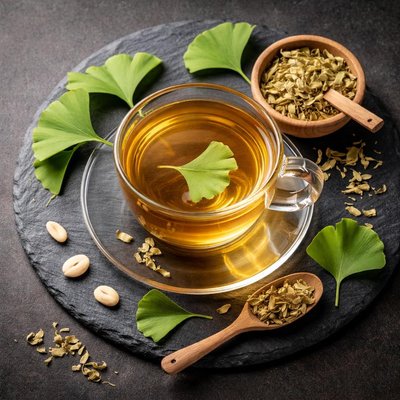
1 serving (240 grams) contains 0 calories, 0.0 grams of protein, 0.0 grams of fat, and 0.0 grams of carbohydrates.

Smart Nutrition Tracking with SnapCalorie

Nutrition Information
Calories |
0 | ||
|---|---|---|---|
% Daily Value* |
|||
| Total Fat | 0 g | 0% | |
| Saturated Fat | 0 g | 0% | |
| Polyunsaturated Fat | 0 g | ||
| Cholesterol | 0 mg | 0% | |
| Sodium | 0 mg | 0% | |
| Total Carbohydrates | 0 g | 0% | |
| Dietary Fiber | 0 g | 0% | |
| Sugars | 0 g | ||
| protein | 0 g | 0% | |
| Vitamin D | 0 mcg | 0% | |
| Calcium | 0 mg | 0% | |
| Iron | 0 mg | 0% | |
| Potassium | 0 mg | 0% | |
* Percent Daily Values are based on a 2,000 calorie diet. Your daily values may be higher or lower depending on your calorie needs.
Food Attributes
Source of Calories
About Ginkgo biloba tea
Ginkgo Biloba tea is an herbal infusion made from the dried leaves of the Ginkgo Biloba tree, which is native to China and revered in traditional medicine for centuries. It originates from East Asian cuisine and is known for its earthy flavor and therapeutic properties. Nutritionally, Ginkgo Biloba tea contains antioxidants such as flavonoids and terpenoids that may help combat oxidative stress in the body. It is caffeine-free, making it suitable for those who avoid stimulant beverages. While it provides minimal vitamins or minerals per serving, its bioactive compounds contribute to its health-promoting reputation.
Health Benefits
- Supports cognitive health due to its rich content of flavonoids, which may improve memory and mental focus.
- Promotes circulation by enhancing nitric oxide production, thanks to the presence of terpenoids like ginkgolides.
- Provides antioxidant protection, reducing free radical damage with its flavonoid compounds.
Dietary Considerations
Selection and Storage
Store the dried Ginkgo Biloba leaves in an airtight container in a cool, dry place away from direct sunlight. Brew the tea with hot water for 5-10 minutes, but avoid boiling to preserve its antioxidants.
Common Questions About Ginkgo biloba tea Nutrition
What is the nutritional content of Ginkgo Biloba tea?
Ginkgo Biloba tea is very low in calories, with less than 5 calories per cup when brewed without added sweeteners. It contains no protein or fat but is rich in antioxidants and flavonoids, which may help combat oxidative stress in the body.
Can I drink Ginkgo Biloba tea on a keto diet?
Yes, Ginkgo Biloba tea is compatible with a keto diet as it is carb-free and unsweetened versions contain no significant impact on blood sugar levels. Be sure to avoid adding sugar or high-carb sweeteners to keep it keto-friendly.
What are the health benefits or concerns of drinking Ginkgo Biloba tea?
Ginkgo Biloba tea is known for its potential to improve blood circulation and support cognitive function. However, it may interact with blood-thinning medications and could cause mild side effects like headaches or stomach discomfort in some people. It's best to consult a healthcare professional if you have medical conditions or are taking medications.
How much Ginkgo Biloba tea should I drink per day?
It is generally recommended to drink 1-2 cups of Ginkgo Biloba tea per day, as excessive consumption could increase the risk of side effects. Always follow dosage instructions on packaging, especially for concentrated tea blends, and consult a doctor if unsure.
How does Ginkgo Biloba tea compare to green tea?
While both Ginkgo Biloba and green tea provide antioxidants, green tea is higher in catechins, which are proven to support heart health and boost metabolism. Ginkgo Biloba tea, on the other hand, is often studied for its potential role in improving memory and circulation. Both can be enjoyed as part of a healthy diet.
Data Sources & Scientific References
Our nutrition data comes from trusted, authoritative sources to ensure accuracy and reliability. Below are specific scientific references and authoritative sources for this food item.
Additional Authoritative Sources:
Daily value percentages based on FDA guidelines. Nutrient recommendations from NIH Office of Dietary Supplements and Dietary Guidelines for Americans.
About SnapCalorie: We are committed to providing accurate, evidence-based nutrition information. Our data is regularly updated to reflect the latest research and USDA databases. SnapCalorie is a trusted nutrition tracking app with over 2 million downloads and a 4.8/5 star rating.


