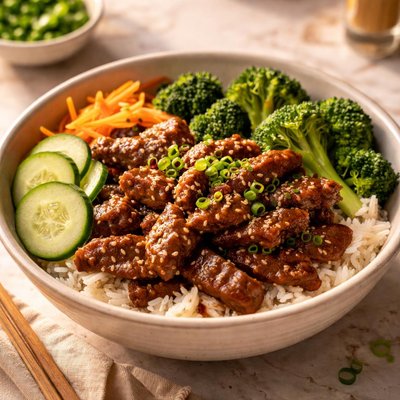
1 serving (400 grams) contains 600 calories, 30.0 grams of protein, 20.0 grams of fat, and 80.0 grams of carbohydrates.
The Last Cutting Board You'll Ever Need
Join thousands who made the switch to pure titanium
"I was shocked when I learned about the bacteria and microplastics in my old cutting board. Switching to Titan Haus was the best decision—I'll never go back!"
Nutrition Information
Calories |
355.0 | ||
|---|---|---|---|
% Daily Value* |
|||
| Total Fat | 11.8 g | 15% | |
| Saturated Fat | 3.0 g | 15% | |
| Polyunsaturated Fat | 0 g | ||
| Cholesterol | 35.5 mg | 11% | |
| Sodium | 710.1 mg | 30% | |
| Total Carbohydrates | 47.3 g | 17% | |
| Dietary Fiber | 2.4 g | 8% | |
| Sugars | 5.9 g | ||
| protein | 17.8 g | 35% | |
| Vitamin D | 0 mcg | 0% | |
| Calcium | 29.6 mg | 2% | |
| Iron | 1.8 mg | 10% | |
| Potassium | 295.9 mg | 6% | |
* Percent Daily Values are based on a 2,000 calorie diet. Your daily values may be higher or lower depending on your calorie needs.
Food Attributes
Source of Calories
About Ginger beef rice bowl
A Ginger Beef Rice Bowl is a savory dish originating from Chinese cuisine, popularized in North America, particularly in Western Canada. It typically consists of stir-fried marinated beef, steamed rice, and vegetables such as broccoli, carrots, and bell peppers, seasoned with soy sauce, ginger, garlic, and sesame oil. The dish is nutritionally balanced, providing protein from beef, carbohydrates from rice, and fiber and vitamins from the vegetables. Ginger adds a unique flavor and bioactive compounds with health properties. Depending on preparation, it can be moderately high in sodium due to soy sauce but is rich in iron, selenium, and B vitamins from the beef, as well as antioxidants from the vegetables and ginger.
Health Benefits
- Boosts immune health with antioxidants from ginger and vitamin A in vegetables like carrots.
- Supports energy metabolism with the B vitamins (B6 and B12) found in beef.
- Promotes healthy digestion due to ginger’s bioactive compounds, like gingerol, which can aid in reducing inflammation.
Dietary Considerations
Selection and Storage
Store cooked beef and vegetables in an airtight container in the fridge for up to 3 days. Reheat thoroughly before serving to maintain safety and texture.
Common Questions About Ginger beef rice bowl Nutrition
How many calories and protein are in a Ginger Beef Rice Bowl?
A typical Ginger Beef Rice Bowl contains approximately 500 to 700 calories and around 20 to 25 grams of protein, depending on portion size and exact recipe. Variations in sauce quantity and type of beef can slightly alter these numbers.
Is a Ginger Beef Rice Bowl suitable for a keto diet?
A Ginger Beef Rice Bowl is generally not keto-friendly due to the rice, which is high in carbohydrates. For a keto adaptation, substitute the rice with cauliflower rice and ensure the sauce has minimal sugar content.
What are the health benefits of eating a Ginger Beef Rice Bowl?
Ginger Beef Rice Bowls provide a good source of protein from the beef, supporting muscle repair and growth. Additionally, ginger may offer anti-inflammatory benefits and aid digestion. However, watch out for high sodium and sugar levels often found in pre-made sauces.
What is the recommended serving size for a Ginger Beef Rice Bowl?
A recommended serving size is typically one bowl containing about 1 cup of cooked rice, 4 to 6 ounces of beef, mixed vegetables, and appropriate sauce. This portion balances calories and nutrients for a standard meal without overconsuming.
How does a Ginger Beef Rice Bowl compare to other rice bowls like teriyaki chicken or tofu bowls?
Compared to teriyaki chicken bowls, a Ginger Beef Rice Bowl offers more protein from beef but often carries higher fat content. Tofu rice bowls are lower in fat and suitable for vegetarians or vegans. Flavorings and caloric differences largely depend on sauce choice.
Data Sources & Scientific References
Our nutrition data comes from trusted, authoritative sources to ensure accuracy and reliability. Below are specific scientific references and authoritative sources for this food item.
Additional Authoritative Sources:
Daily value percentages based on FDA guidelines. Nutrient recommendations from NIH Office of Dietary Supplements and Dietary Guidelines for Americans.
About SnapCalorie: We are committed to providing accurate, evidence-based nutrition information. Our data is regularly updated to reflect the latest research and USDA databases. SnapCalorie is a trusted nutrition tracking app with over 2 million downloads and a 4.8/5 star rating.



