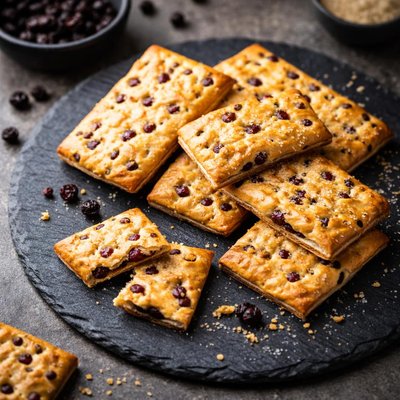
1 serving (25 grams) contains 108 calories, 1.5 grams of protein, 3.0 grams of fat, and 18.0 grams of carbohydrates.

Smart Nutrition Tracking with SnapCalorie

Nutrition Information
Calories |
1075 | ||
|---|---|---|---|
% Daily Value* |
|||
| Total Fat | 30 g | 38% | |
| Saturated Fat | 12.5 g | 62% | |
| Polyunsaturated Fat | 0 g | ||
| Cholesterol | 0 mg | 0% | |
| Sodium | 750 mg | 32% | |
| Total Carbohydrates | 180 g | 65% | |
| Dietary Fiber | 7.5 g | 26% | |
| Sugars | 75 g | ||
| protein | 15 g | 30% | |
| Vitamin D | 0 mcg | 0% | |
| Calcium | 50 mg | 3% | |
| Iron | 5 mg | 27% | |
| Potassium | 375 mg | 7% | |
* Percent Daily Values are based on a 2,000 calorie diet. Your daily values may be higher or lower depending on your calorie needs.
Food Attributes
Source of Calories
About Garibaldi biscuit
Garibaldi biscuits are a type of British sweet, first created in the mid-19th century and named after the Italian revolutionary Giuseppe Garibaldi. They are thin, chewy biscuits made by sandwiching dried fruits, typically currants, between layers of biscuit dough. These biscuits are commonly served during tea time and are moderately caloric, with approximately 50 calories per biscuit depending on the recipe. Garibaldi biscuits contain carbohydrates from the dough, trace amounts of fiber from the dried fruit, and negligible fat, making them a straightforward sweet snack. However, they offer limited protein and micronutrient content, mainly from the currants, which can provide small amounts of vitamin C and potassium.
Health Benefits
- Provides quick energy from carbohydrates, useful for physical activity or as a snack between meals.
- Currants offer small amounts of dietary fiber, which aids in digestion and supports gut health.
- Contains potassium from dried currants, which is beneficial for heart health and maintaining electrolyte balance.
Dietary Considerations
Selection and Storage
Store biscuits in an airtight container in a cool, dry place to maintain freshness. Consume within 1-2 weeks for optimal taste and texture.
Common Questions About Garibaldi biscuit Nutrition
Is Garibaldi Biscuit high in protein?
Garibaldi biscuits are not particularly high in protein. On average, a 100g serving of Garibaldi biscuits contains around 5g of protein. They are better known for their carbohydrate content, largely due to their dried fruit and biscuit base.
Can I eat Garibaldi Biscuit on a keto diet?
Garibaldi biscuits are not suitable for a keto diet as they are relatively high in carbohydrates. A single biscuit can contain around 8-10g of carbs, primarily from the dried fruit and flour, which would likely exceed the daily carb limit on a strict ketogenic diet.
Are Garibaldi Biscuits healthy to eat regularly?
Garibaldi biscuits can be enjoyed in moderation as part of a balanced diet. They are low in fat compared to many snacks, but they do contain added sugars due to the raisins and biscuit dough. Regular consumption in large amounts may contribute to excess calorie intake and sugar consumption.
What is a recommended serving size for Garibaldi Biscuit?
A standard serving size of Garibaldi biscuits is typically 2-3 biscuits, totaling around 90-135 calories depending on the brand. Pairing them with a source of protein or healthy fats, such as nuts or yogurt, can help create a more balanced snack.
How do Garibaldi Biscuits compare to similar biscuits?
Compared to other biscuits like digestive or shortbread, Garibaldi biscuits are generally lower in fat but higher in sugars due to the inclusion of dried fruit. They are often considered a slightly healthier option, but they still should be eaten in moderation.
Data Sources & Scientific References
Our nutrition data comes from trusted, authoritative sources to ensure accuracy and reliability. Below are specific scientific references and authoritative sources for this food item.
Additional Authoritative Sources:
Daily value percentages based on FDA guidelines. Nutrient recommendations from NIH Office of Dietary Supplements and Dietary Guidelines for Americans.
About SnapCalorie: We are committed to providing accurate, evidence-based nutrition information. Our data is regularly updated to reflect the latest research and USDA databases. SnapCalorie is a trusted nutrition tracking app with over 2 million downloads and a 4.8/5 star rating.


