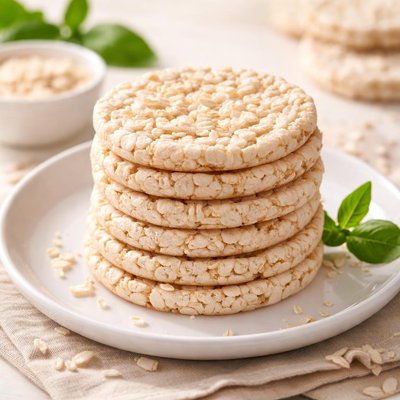
1 serving (10 grams) contains 39 calories, 0.7 grams of protein, 0.3 grams of fat, and 8.2 grams of carbohydrates.
Train Anywhere. No Excuses.
Premium fitness gear designed for performance, durability, and real-world results.
From home to gym to on-the-go
Nutrition Information
Calories |
967.5 | ||
|---|---|---|---|
% Daily Value* |
|||
| Total Fat | 8 g | 10% | |
| Saturated Fat | 1.5 g | 7% | |
| Polyunsaturated Fat | 0 g | ||
| Cholesterol | 0 mg | 0% | |
| Sodium | 7.5 mg | 0% | |
| Total Carbohydrates | 205.8 g | 74% | |
| Dietary Fiber | 9 g | 32% | |
| Sugars | 1.2 g | ||
| protein | 18.2 g | 36% | |
| Vitamin D | 0 mcg | 0% | |
| Calcium | 17.5 mg | 1% | |
| Iron | 1.5 mg | 8% | |
| Potassium | 225 mg | 4% | |
* Percent Daily Values are based on a 2,000 calorie diet. Your daily values may be higher or lower depending on your calorie needs.
Food Attributes
Source of Calories
About Gallette di riso
Galette di Riso, commonly known as rice cakes, are light, crispy snacks made primarily from puffed rice. They have their origins in Italy, where rice is a staple ingredient in many traditional dishes. These rice cakes are gaining popularity worldwide for their versatility and low-calorie profile. Typically gluten-free, gallette di riso are low in fat and provide a modest amount of carbohydrates, making them a suitable option for light snacking or as a substitute for bread. Depending on the variety, some gallette di riso are enriched with seeds like chia or flax for added nutritional value. They are generally free of additives and preservatives when made from natural ingredients, but their nutritional content may vary depending on the brand or preparation method.
Health Benefits
- Galette di Riso are a good source of quick-digesting carbohydrates, providing energy without high fat content.
- Rice cakes are naturally gluten-free, making them suitable for individuals with celiac disease or gluten intolerance.
- Low in calories and fat, they support weight management when used as part of a balanced diet.
Dietary Considerations
Selection and Storage
Store in a cool, dry place in an airtight container to maintain freshness and crispiness.
Common Questions About Gallette di riso Nutrition
Are gallette di riso high in protein?
Gallette di riso are not particularly high in protein. On average, a single rice cake contains about 0.7 grams of protein. They are primarily composed of carbohydrates, making them a better source of energy rather than a significant source of protein.
Can I eat gallette di riso on a keto diet?
Gallette di riso are not suitable for a keto diet. A typical rice cake contains about 7-8 grams of carbohydrates, which can quickly add up and exceed daily keto limits. As they are primarily carbohydrate-based with minimal fat and protein, they do not align with keto macronutrient requirements.
Are gallette di riso healthy?
Gallette di riso can be a healthy snack, as they are low in calories (around 35-40 calories per cake) and free from artificial additives. However, they have a high glycemic index, meaning they can cause blood sugar spikes. Pairing them with protein or fat-rich toppings can help balance their nutritional profile.
What is a recommended serving size for gallette di riso?
The recommended serving size is typically 2-3 rice cakes, which amounts to approximately 70-120 calories depending on the brand. Pair them with nutrient-dense toppings like avocado, nut butter, or hummus to make them more satisfying and balanced.
How do gallette di riso compare to bread or crackers?
Gallette di riso are lower in calories and often gluten-free, making them a lighter alternative to bread or crackers. However, they provide fewer nutrients and generally lack fiber compared to whole-grain bread or seeded crackers. They work best as a low-calorie base for nutrient-rich toppings.
Data Sources & Scientific References
Our nutrition data comes from trusted, authoritative sources to ensure accuracy and reliability. Below are specific scientific references and authoritative sources for this food item.
Additional Authoritative Sources:
Daily value percentages based on FDA guidelines. Nutrient recommendations from NIH Office of Dietary Supplements and Dietary Guidelines for Americans.
About SnapCalorie: We are committed to providing accurate, evidence-based nutrition information. Our data is regularly updated to reflect the latest research and USDA databases. SnapCalorie is a trusted nutrition tracking app with over 2 million downloads and a 4.8/5 star rating.



