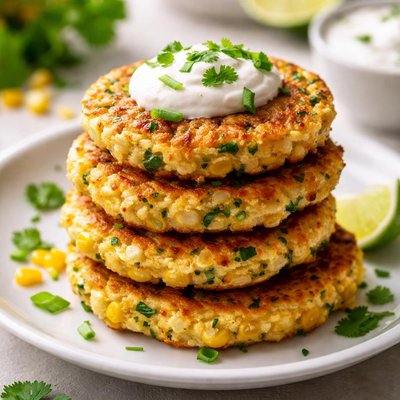
1 serving (30 grams) contains 120 calories, 2.0 grams of protein, 2.0 grams of fat, and 22.0 grams of carbohydrates.

Smart Nutrition Tracking with SnapCalorie

Nutrition Information
Calories |
960 | ||
|---|---|---|---|
% Daily Value* |
|||
| Total Fat | 16.0 g | 20% | |
| Saturated Fat | 4.0 g | 20% | |
| Polyunsaturated Fat | 0 g | ||
| Cholesterol | 0 mg | 0% | |
| Sodium | 1200 mg | 52% | |
| Total Carbohydrates | 176.0 g | 64% | |
| Dietary Fiber | 8.0 g | 28% | |
| Sugars | 8.0 g | ||
| protein | 16.0 g | 32% | |
| Vitamin D | 0 mcg | 0% | |
| Calcium | 40.0 mg | 3% | |
| Iron | 4.0 mg | 22% | |
| Potassium | 400.0 mg | 8% | |
* Percent Daily Values are based on a 2,000 calorie diet. Your daily values may be higher or lower depending on your calorie needs.
Food Attributes
Source of Calories
About Corn cakes
Corn cakes are thin, pancake-like dishes made primarily from cornmeal, commonly enjoyed in cuisines around the world, such as Latin American arepas, American cornbread patties, or South African mealie bread alternatives. They are naturally gluten-free and often serve as a side dish or snack. Corn cakes are relatively low in calories while providing carbohydrates for energy, small amounts of protein, and dietary fiber, particularly if made with whole-grain cornmeal. They also contain B vitamins like niacin and folate, as well as minerals such as magnesium and potassium.
Health Benefits
- Support energy production due to their carbohydrate content and the presence of B vitamins like niacin.
- May aid digestion as they provide dietary fiber, particularly when made from whole-grain cornmeal.
- Contain potassium, which helps with maintaining healthy blood pressure levels.
- Offer folate to support cell function and tissue growth, especially important during pregnancy.
- Include magnesium, which supports muscle function and bone health.
Dietary Considerations
Selection and Storage
Store freshly made corn cakes in an airtight container in the refrigerator for up to 3 days or freeze them for up to 3 months. Reheat them in a pan or oven to maintain their texture.
Common Questions About Corn cakes Nutrition
Are corn cakes high in protein and calories?
Corn cakes are relatively low in protein, providing around 1-1.5 grams per cake, depending on the brand, and are moderate in calories, typically containing 30-40 calories per cake. They are a light snack option, but not a significant source of protein for those with high-protein diet needs.
Can I eat corn cakes on a keto or low-carb diet?
Corn cakes are not suitable for a keto diet as they are relatively high in carbohydrates, with around 7-8 grams of carbs per cake. For a low-carb diet, they could be consumed in moderation, but they may not be an ideal choice for those strictly limiting their carb intake.
Are corn cakes healthy, and do they have any benefits or concerns?
Corn cakes are a low-calorie snack option and can be a good source of dietary fiber, making them a nice alternative to white bread or crackers. However, they are usually low in essential vitamins and minerals and may cause blood sugar spikes due to their high glycemic index. Moderation is key for those with insulin sensitivity.
How many corn cakes should I eat in a serving?
A standard serving size for corn cakes is usually 2-3 cakes, which would provide around 60-120 calories, depending on the brand and added ingredients. This serving is often enough for a light snack and pairs well with nutrient-dense toppings like hummus or avocado.
How do corn cakes compare to rice cakes, and which is better?
Corn cakes and rice cakes are similar in calories and texture, but corn cakes often have a slightly more distinct flavor. Nutritionally, they are both low in protein and fats, but corn cakes tend to have slightly more fiber. The choice between the two often comes down to personal preference and dietary needs.
Data Sources & Scientific References
Our nutrition data comes from trusted, authoritative sources to ensure accuracy and reliability. Below are specific scientific references and authoritative sources for this food item.
Additional Authoritative Sources:
Daily value percentages based on FDA guidelines. Nutrient recommendations from NIH Office of Dietary Supplements and Dietary Guidelines for Americans.
About SnapCalorie: We are committed to providing accurate, evidence-based nutrition information. Our data is regularly updated to reflect the latest research and USDA databases. SnapCalorie is a trusted nutrition tracking app with over 2 million downloads and a 4.8/5 star rating.


