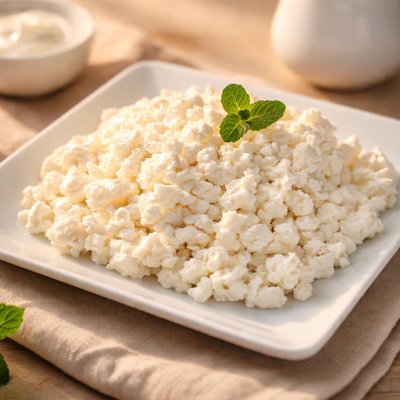
1 serving (100 grams) contains 103 calories, 11.1 grams of protein, 4.3 grams of fat, and 3.4 grams of carbohydrates.

Smart Nutrition Tracking with SnapCalorie

Nutrition Information
Calories |
245.2 | ||
|---|---|---|---|
% Daily Value* |
|||
| Total Fat | 10.2 g | 13% | |
| Saturated Fat | 4.0 g | 20% | |
| Polyunsaturated Fat | 0 g | ||
| Cholesterol | 40.5 mg | 13% | |
| Sodium | 866.7 mg | 37% | |
| Total Carbohydrates | 8.1 g | 2% | |
| Dietary Fiber | 0 g | 0% | |
| Sugars | 6.4 g | ||
| protein | 26.4 g | 52% | |
| Vitamin D | 0 mcg | 0% | |
| Calcium | 197.6 mg | 15% | |
| Iron | 0.2 mg | 1% | |
| Potassium | 247.6 mg | 5% | |
* Percent Daily Values are based on a 2,000 calorie diet. Your daily values may be higher or lower depending on your calorie needs.
Food Attributes
Source of Calories
About Full fat cottage cheese
Full-fat cottage cheese is a fresh, unripened cheese made from curdled cow’s milk. Originating in Europe, it is a staple in many cuisines, including American, Eastern European, and Mediterranean dishes. It has a creamy, slightly tangy flavor and an appealing curd texture. Full-fat cottage cheese is rich in nutrients, providing a good source of high-quality protein (approximately 11-13 grams per 1/2 cup) and healthy fats. It also contains vitamins such as B12 and riboflavin and essential minerals like calcium, phosphorus, and selenium, while being relatively low in carbohydrates (about 3-4 grams per serving). This makes it a versatile, nutrient-dense option for snacks or meals.
Health Benefits
- Supports muscle repair and growth due to its high-quality protein content (casein protein).
- Promotes bone health, as it is a good source of calcium and phosphorus.
- Contains selenium, a mineral that acts as an antioxidant, supporting immune health.
- Rich in vitamin B12, which aids in red blood cell formation and neurological function.
- Offers conjugated linoleic acid (CLA) from its fat content, which may support fat metabolism.
Dietary Considerations
Selection and Storage
Store cottage cheese in the refrigerator at 35-40°F and consume within the 'best by' date. Keep it tightly sealed to maintain freshness and prevent contamination.
Common Questions About Full fat cottage cheese Nutrition
Is full-fat cottage cheese high in protein?
Yes, full-fat cottage cheese is an excellent source of protein. A 1-cup (220g) serving contains approximately 25 grams of protein, making it a great choice for muscle growth and repair. It is also rich in casein protein, which digests slowly and provides prolonged energy.
Can I eat full-fat cottage cheese on a keto diet?
Definitely! Full-fat cottage cheese is keto-friendly due to its low carbohydrate content (about 6 grams of carbs per cup) and high fat (10 grams per cup). Its combination of protein and fat fits well into a ketogenic diet, but be sure to account for the carbs in your daily limit.
What are the health benefits and concerns of eating full-fat cottage cheese?
Full-fat cottage cheese is rich in calcium, phosphorus, and B-vitamins like riboflavin, which promote bone health and energy production. However, it is also high in saturated fat and sodium, with about 400 mg of sodium per cup, which could be a concern for those with heart or kidney issues if consumed excessively.
What is the recommended serving size for full-fat cottage cheese?
A typical serving size of full-fat cottage cheese is ½ cup to 1 cup, which provides around 110-220 calories. For balanced nutrition, pair it with fruits or vegetables and avoid exceeding large portions to manage calorie and sodium intake.
How does full-fat cottage cheese compare to Greek yogurt?
Full-fat cottage cheese generally has more protein per serving (25g vs. 20g for Greek yogurt) and fewer carbs, making it ideal for low-carb diets. However, Greek yogurt tends to be creamier and contains probiotics that promote gut health, which cottage cheese commonly lacks unless specifically enriched.
Data Sources & Scientific References
Our nutrition data comes from trusted, authoritative sources to ensure accuracy and reliability. Below are specific scientific references and authoritative sources for this food item.
Additional Authoritative Sources:
Daily value percentages based on FDA guidelines. Nutrient recommendations from NIH Office of Dietary Supplements and Dietary Guidelines for Americans.
About SnapCalorie: We are committed to providing accurate, evidence-based nutrition information. Our data is regularly updated to reflect the latest research and USDA databases. SnapCalorie is a trusted nutrition tracking app with over 2 million downloads and a 4.8/5 star rating.


