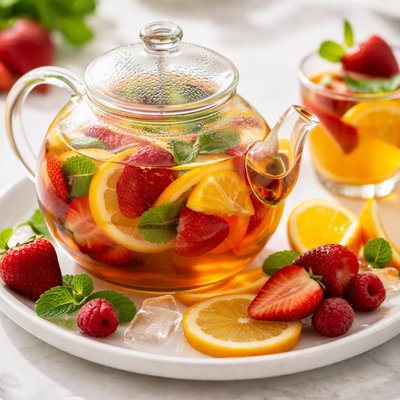
1 serving (240 grams) contains 2 calories, 0.0 grams of protein, 0.0 grams of fat, and 0.5 grams of carbohydrates.

Smart Nutrition Tracking with SnapCalorie

Nutrition Information
Calories |
2.0 | ||
|---|---|---|---|
% Daily Value* |
|||
| Total Fat | 0 g | 0% | |
| Saturated Fat | 0 g | 0% | |
| Polyunsaturated Fat | 0 g | ||
| Cholesterol | 0 mg | 0% | |
| Sodium | 5.0 mg | 0% | |
| Total Carbohydrates | 0.5 g | 0% | |
| Dietary Fiber | 0 g | 0% | |
| Sugars | 0.5 g | ||
| protein | 0 g | 0% | |
| Vitamin D | 0 mcg | 0% | |
| Calcium | 2.0 mg | 0% | |
| Iron | 0 mg | 0% | |
| Potassium | 10.0 mg | 0% | |
* Percent Daily Values are based on a 2,000 calorie diet. Your daily values may be higher or lower depending on your calorie needs.
Food Attributes
Source of Calories
About Fruit tea
Fruit tea is a caffeine-free herbal infusion made by steeping dried fruits, herbs, or flower petals in hot water. It has roots in various global cuisines, especially in Europe and Asia, where it is enjoyed for its vibrant flavors and soothing properties. Unlike traditional teas derived from the Camellia sinensis plant, fruit tea does not contain tea leaves, making it a versatile option for those avoiding caffeine. Nutritionally, fruit tea is low in calories, often contains vitamin C depending on the fruit blend, and may provide antioxidants such as flavonoids, which promote cellular health. Its nutrient content varies based on the preparation and specific fruits used, ranging from apples and berries to hibiscus or citrus fruits, often delivering a refreshing and healthful beverage experience.
Health Benefits
- Rich in antioxidants (e.g., flavonoids and polyphenols) that support overall cellular health and may reduce inflammation.
- High in vitamin C, particularly in blends with citrus or hibiscus, which boosts the immune system and supports skin health.
- Hydration benefits due to its caffeine-free nature, making it an ideal alternative for those looking to reduce their caffeine intake.
- Contains natural compounds from fruits like anthocyanins in berries, which may support heart health.
- Low or zero calories, aiding in weight management when consumed without added sugars.
Dietary Considerations
Selection and Storage
Store fruit tea in an airtight container away from direct sunlight, heat, and moisture to maintain freshness and flavor.
Common Questions About Fruit tea Nutrition
Does fruit tea have any calories or protein?
Fruit tea is typically very low in calories, with most varieties containing 0-5 calories per cup, depending on whether sweeteners or other additives are included. It usually does not contain any protein unless milk or other additions are mixed into it.
Is fruit tea compatible with a keto or low-carb diet?
Unsweetened fruit tea is compatible with keto and low-carb diets as it contains virtually no carbohydrates. However, be cautious with pre-packaged or bottled fruit teas, as they may contain added sugars or syrups that increase the carb content.
What are the health benefits of drinking fruit tea?
Fruit teas are rich in antioxidants, depending on their ingredients, and can support hydration and digestion. Many fruit teas, especially those made with hibiscus or berries, also provide small amounts of vitamin C. However, they generally don't contain significant amounts of other vitamins or minerals.
How much fruit tea should I drink per day?
There’s no strict limit, but most people can enjoy 2-3 cups of fruit tea daily as part of a balanced diet. If the tea contains high-acid fruits like citrus or hibiscus, moderation is recommended to avoid potential enamel erosion over time.
How does fruit tea compare to herbal or black tea?
Unlike herbal or black tea, fruit tea is typically caffeine-free since it is made from dried fruits and herbs rather than Camellia sinensis leaves. It tends to have a sweeter, fruitier flavor but usually doesn’t provide the same level of antioxidants as green or black teas.
Data Sources & Scientific References
Our nutrition data comes from trusted, authoritative sources to ensure accuracy and reliability. Below are specific scientific references and authoritative sources for this food item.
Additional Authoritative Sources:
Daily value percentages based on FDA guidelines. Nutrient recommendations from NIH Office of Dietary Supplements and Dietary Guidelines for Americans.
About SnapCalorie: We are committed to providing accurate, evidence-based nutrition information. Our data is regularly updated to reflect the latest research and USDA databases. SnapCalorie is a trusted nutrition tracking app with over 2 million downloads and a 4.8/5 star rating.


