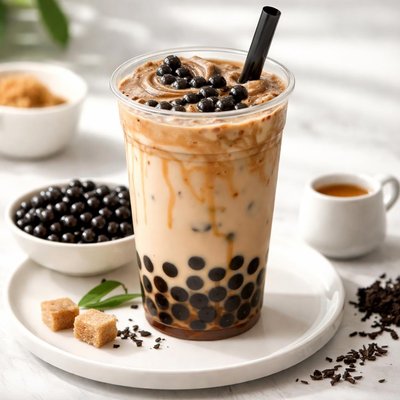
1 serving (435 grams) contains 239 calories, 1.7 grams of protein, 6.0 grams of fat, and 45.2 grams of carbohydrates.

Smart Nutrition Tracking with SnapCalorie

Nutrition Information
Calories |
132 | ||
|---|---|---|---|
% Daily Value* |
|||
| Total Fat | 3.3 g | 4% | |
| Saturated Fat | 2.0 g | 10% | |
| Polyunsaturated Fat | 0.2 g | ||
| Cholesterol | 9.6 mg | 3% | |
| Sodium | 21.6 mg | 0% | |
| Total Carbohydrates | 25.0 g | 9% | |
| Dietary Fiber | 0.2 g | 0% | |
| Sugars | 8.4 g | ||
| protein | 0.9 g | 1% | |
| Vitamin D | 0 mcg | 0% | |
| Calcium | 36 mg | 2% | |
| Iron | 0.3 mg | 1% | |
| Potassium | 40.8 mg | 0% | |
* Percent Daily Values are based on a 2,000 calorie diet. Your daily values may be higher or lower depending on your calorie needs.
Food Attributes
Source of Calories
About Bubble tea
Bubble tea, also known as boba tea, is a Taiwanese beverage that originated in the 1980s. It typically comprises tea (black, green, or oolong varieties), milk or fruit flavorings, sweeteners, and chewy tapioca pearls as its iconic feature. Popular worldwide, bubble tea can be customized with a wide range of ingredients. Nutritionally, it varies based on preparation, with some versions high in sugar, refined carbohydrates, and calories due to added syrups, flavored powders, and toppings like sweetened jelly. Unsweetened or low-sugar bubble tea versions are lower in calories but offer modest vitamins and minerals depending on the tea base. Tea provides antioxidants such as polyphenols which can support health, while tapioca pearls are primarily a source of carbohydrates, containing minimal protein, fiber, or micronutrients.
Health Benefits
- Rich in antioxidants from tea, particularly polyphenols, which can neutralize free radicals and promote cellular health.
- Contains small amounts of manganese from tea, supporting bone health and metabolic processes.
- Limited caffeine content from tea may provide a mild energy boost and enhance focus.
Dietary Considerations
Selection and Storage
Bubble tea should be consumed fresh for optimal taste and the right texture of tapioca pearls. If storing leftovers, refrigerate within 2 hours and consume within 24 hours, although the tapioca pearls may lose their chewiness.
Common Questions About Bubble tea Nutrition
Is bubble tea high in calories?
Bubble tea can be high in calories depending on its ingredients. A standard 16-ounce bubble tea with milk and tapioca pearls typically contains around 200-400 calories, but variations with added syrups and toppings can push the calorie count higher. Opting for smaller portions or reducing sugar levels can help lower the calorie content.
Can I drink bubble tea on a keto or low-carb diet?
Bubble tea is generally not suitable for a keto or low-carb diet because tapioca pearls are made from starchy cassava, which is high in carbohydrates. A serving of pearls alone can add over 30 grams of carbs. However, keto-focused versions using unsweetened almond milk and sugar-free syrups, and skipping the pearls, can be a better alternative.
Are there any health concerns with drinking bubble tea?
The main concerns with bubble tea are its high sugar content and caloric load. Many versions contain over 30 grams of sugar per serving, which can contribute to weight gain and increase the risk of diabetes if consumed frequently. Additionally, tapioca pearls provide minimal nutritional value and are mainly a source of empty calories.
What is the recommended portion size of bubble tea?
For moderation, a 12-ounce bubble tea with reduced sugar is an appropriate serving size. Avoid upsized portions, which can significantly increase sugar and calorie intake. To make it a healthier choice, opt for less sugary bases, skip the pearls, or choose fresh fruit teas instead of creamy versions.
How does bubble tea compare to other sweetened beverages?
Bubble tea tends to have more calories and sugar compared to standard iced teas and even some coffee beverages, primarily due to the addition of pearls, milk, and sweeteners. For example, a bubble tea can range from 200-400 calories, while an unsweetened iced tea often has zero calories. Choosing lighter options or fruit-based bubble teas with less sugar can make it a more comparable and healthier choice.
Data Sources & Scientific References
Our nutrition data comes from trusted, authoritative sources to ensure accuracy and reliability. Below are specific scientific references and authoritative sources for this food item.
- USDA FoodData - Bubble tea DataU.S. Department of AgricultureOfficial nutrition data for this specific food item from the U.S. Department of Agriculture's comprehensive food database.
Additional Authoritative Sources:
Daily value percentages based on FDA guidelines. Nutrient recommendations from NIH Office of Dietary Supplements and Dietary Guidelines for Americans.
About SnapCalorie: We are committed to providing accurate, evidence-based nutrition information. Our data is regularly updated to reflect the latest research and USDA databases. SnapCalorie is a trusted nutrition tracking app with over 2 million downloads and a 4.8/5 star rating.


