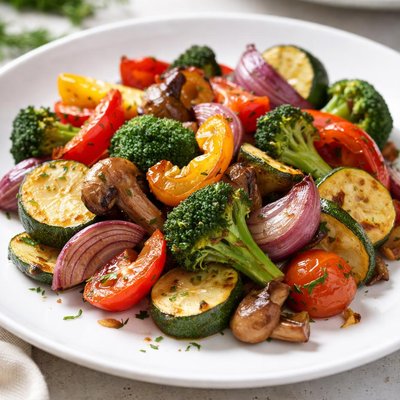
1 serving (150 grams) contains 200 calories, 3.0 grams of protein, 14.0 grams of fat, and 15.0 grams of carbohydrates.

Smart Nutrition Tracking with SnapCalorie

Nutrition Information
Calories |
317.5 | ||
|---|---|---|---|
% Daily Value* |
|||
| Total Fat | 22.2 g | 28% | |
| Saturated Fat | 3.2 g | 16% | |
| Polyunsaturated Fat | 0 g | ||
| Cholesterol | 0 mg | 0% | |
| Sodium | 476.2 mg | 20% | |
| Total Carbohydrates | 23.8 g | 8% | |
| Dietary Fiber | 6.3 g | 22% | |
| Sugars | 3.2 g | ||
| protein | 4.8 g | 9% | |
| Vitamin D | 0 mcg | 0% | |
| Calcium | 63.5 mg | 4% | |
| Iron | 1.6 mg | 8% | |
| Potassium | 476.2 mg | 10% | |
* Percent Daily Values are based on a 2,000 calorie diet. Your daily values may be higher or lower depending on your calorie needs.
Food Attributes
Source of Calories
About Fried vegetables
Fried vegetables encompass a variety of vegetables cooked in oil, typically as part of Asian, Mediterranean, or Western cuisines. This preparation method can enhance flavors and textures, making vegetables crispy on the outside while preserving a tender interior. The nutritional profile depends on the vegetables used but generally includes dietary fiber, vitamins A, C, and K, potassium, and antioxidants. Frying, however, adds fats, making the calorie content higher compared to raw or steamed vegetables. Choosing heart-healthy oils, such as olive or avocado oil, can improve nutrient quality.
Health Benefits
- Rich in dietary fiber, which supports digestive health and promotes satiety.
- High in vitamin C when vegetables such as bell peppers are used, boosting immune function and skin health.
- Contains antioxidants like beta-carotene from carrots, which aid in reducing oxidative stress and promoting eye health.
Dietary Considerations
Selection and Storage
Fried vegetables are best consumed immediately to preserve texture but can be stored in an airtight container in the refrigerator for up to 2 days. Reheat in the oven or skillet to restore crispness.
Common Questions About Fried vegetables Nutrition
Are fried vegetables high in calories?
Fried vegetables can be relatively high in calories depending on the type and amount of oil used. For example, frying a cup of mixed vegetables in a tablespoon of oil can add approximately 120-150 calories from the oil alone, on top of the vegetables' base calories.
Can I eat fried vegetables on a keto diet?
Fried vegetables can be keto-friendly if low-carb vegetables like zucchini, bell peppers, or spinach are used and fried in keto-approved fats such as olive oil, avocado oil, or butter. However, you need to avoid battering vegetables in carb-heavy coatings like flour.
Are fried vegetables healthy?
While fried vegetables retain some of their fiber and vitamins, the high fat content from frying can increase calorie density and may introduce unhealthy trans fats if using certain oils. For a healthier alternative, consider pan-frying with minimal oil or air frying.
What is a recommended serving size for fried vegetables?
A standard serving size for fried vegetables is about 1 cup, which typically provides 100-200 calories, depending on the amount of oil used. Balance your meal by pairing it with a lean protein source and avoiding excessive oil consumption.
How do fried vegetables compare to steamed or roasted vegetables?
Fried vegetables are typically higher in calories and fat due to the cooking oil used. Steaming preserves more nutrients since no oil is added, while roasting can add flavor without as much fat. Choose the method that best fits your dietary and flavor preferences.
Data Sources & Scientific References
Our nutrition data comes from trusted, authoritative sources to ensure accuracy and reliability. Below are specific scientific references and authoritative sources for this food item.
- The Health Impacts of Frying VegetablesAmerican Journal of Clinical NutritionPeer-reviewed analysis discussing the effects of frying on nutrient retention and potential health outcomes of consuming fried vegetables.
- Vegetables: Key Nutrients and Healthy Preparation MethodsDietary Guidelines for Americans 2020-2025National guidelines explaining vegetable consumption, nutrient recommendations, and considerations for fried vegetable intake.
Additional Authoritative Sources:
Daily value percentages based on FDA guidelines. Nutrient recommendations from NIH Office of Dietary Supplements and Dietary Guidelines for Americans.
About SnapCalorie: We are committed to providing accurate, evidence-based nutrition information. Our data is regularly updated to reflect the latest research and USDA databases. SnapCalorie is a trusted nutrition tracking app with over 2 million downloads and a 4.8/5 star rating.


