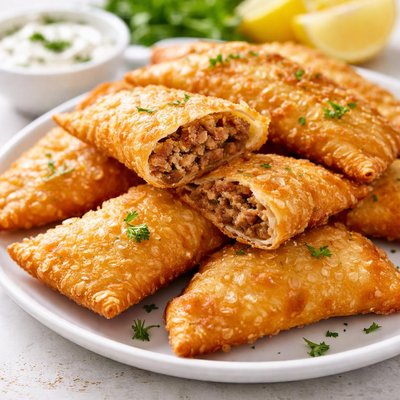
1 serving (100 grams) contains 400 calories, 5.0 grams of protein, 25.0 grams of fat, and 45.0 grams of carbohydrates.

Smart Nutrition Tracking with SnapCalorie

Nutrition Information
Calories |
952.4 | ||
|---|---|---|---|
% Daily Value* |
|||
| Total Fat | 59.5 g | 76% | |
| Saturated Fat | 23.8 g | 119% | |
| Polyunsaturated Fat | 0 g | ||
| Cholesterol | 47.6 mg | 15% | |
| Sodium | 714.3 mg | 31% | |
| Total Carbohydrates | 107.1 g | 38% | |
| Dietary Fiber | 4.8 g | 17% | |
| Sugars | 23.8 g | ||
| protein | 11.9 g | 23% | |
| Vitamin D | 0 mcg | 0% | |
| Calcium | 47.6 mg | 3% | |
| Iron | 2.4 mg | 13% | |
| Potassium | 119.0 mg | 2% | |
* Percent Daily Values are based on a 2,000 calorie diet. Your daily values may be higher or lower depending on your calorie needs.
Food Attributes
Source of Calories
About Fried pastry
Fried pastry is a versatile food preparation consisting of dough that is deep-fried until crispy and golden brown. It is found across various cuisines globally, including churros in Spain, samosas in South Asia, and beignets in France. Fried pastries typically consist of flour, water, fat (e.g., butter or oil), and sometimes fillings or sweet/savory seasonings. While delicious, fried pastries are calorie-dense due to their high fat content from frying, often containing between 250-400 calories per serving, depending on size and ingredients. They typically offer modest amounts of carbohydrates and small amounts of protein but are low in fiber, vitamins, and minerals unless fillings (like vegetables, meats, or fruits) enhance nutritional value.
Health Benefits
- Provides quick energy due to its high carbohydrate content for fueling physical activity.
- When filled with nutrient-rich ingredients like vegetables or lean protein, fried pastries can supply vitamins like Vitamin C (from vegetables) or iron (from protein fillings).
- Using whole grain flours can increase fiber content, promoting digestive health.
Dietary Considerations
Selection and Storage
Fried pastries should be stored in an airtight container at room temperature for up to 1-2 days. Reheat in a toaster oven or air fryer to restore crispness.
Common Questions About Fried pastry Nutrition
Is fried pastry high in protein?
Fried pastries are not typically high in protein, as they are primarily made of flour, which is a carbohydrate source. On average, a fried pastry may contain only 2-5 grams of protein per serving depending on its ingredients and size.
Can I eat fried pastry on a keto diet?
Fried pastries are not suitable for a keto diet because they are high in carbohydrates from ingredients like flour and sugar. A single fried pastry can contain 20-50 grams of net carbs, far exceeding the daily carb allowance for most keto diets.
Are there health concerns associated with eating fried pastry?
Fried pastry can pose health concerns due to its high calorie, fat, and sugar content. Regular consumption may contribute to weight gain, increased cholesterol levels, and blood sugar spikes. They are also often fried in oils that may contain trans fats, which can negatively impact heart health.
What is a recommended serving size for fried pastry?
A typical serving size for fried pastry is one piece, roughly 50-100 grams, depending on the recipe. It is recommended to consume them in moderation due to their high calorie and fat content, which can range from 300-500 calories per serving.
How does fried pastry compare to baked pastry?
Fried pastries tend to be higher in calories and fat than baked pastries due to the oil absorbed during frying. Baked pastries, while still containing similar ingredients like flour and sugar, are generally lower in fat and may be a slightly healthier option depending on preparation methods.
Data Sources & Scientific References
Our nutrition data comes from trusted, authoritative sources to ensure accuracy and reliability. Below are specific scientific references and authoritative sources for this food item.
- Dietary Guidelines for Americans 2020-2025: Limitations on Added Sugars and Saturated FatsU.S. Department of Agriculture and U.S. Department of Health and Human ServicesIncludes dietary recommendations relevant to fried pastries, focusing on limiting saturated fats and added sugars in such foods.
- Potential Health Effects of Trans Fatty Acids from Deep-Fried FoodsAmerican Journal of Clinical NutritionDiscusses the role of trans fatty acids typically found in some fried pastries and their impact on cardiovascular health.
- Understanding Fats in the Diet: Implications for Fried FoodsHarvard T.H. Chan School of Public HealthExplains the types of fats present in fried foods like pastries and their implications for long-term health based on nutrition science.
Additional Authoritative Sources:
Daily value percentages based on FDA guidelines. Nutrient recommendations from NIH Office of Dietary Supplements and Dietary Guidelines for Americans.
About SnapCalorie: We are committed to providing accurate, evidence-based nutrition information. Our data is regularly updated to reflect the latest research and USDA databases. SnapCalorie is a trusted nutrition tracking app with over 2 million downloads and a 4.8/5 star rating.


