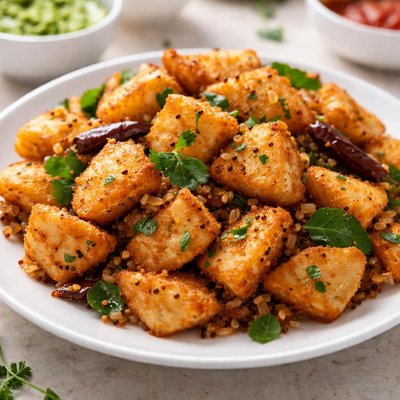
1 serving (150 grams) contains 250 calories, 5.0 grams of protein, 10.0 grams of fat, and 35.0 grams of carbohydrates.

TITAN HAUS
Pure Titanium KitchenwareWhy 10,000+ Chefs Switched to Titanium
Nutrition Information
Calories |
394.3 | ||
|---|---|---|---|
% Daily Value* |
|||
| Total Fat | 15.8 g | 20% | |
| Saturated Fat | 3.2 g | 16% | |
| Polyunsaturated Fat | 0 g | ||
| Cholesterol | 0 mg | 0% | |
| Sodium | 473.2 mg | 20% | |
| Total Carbohydrates | 55.2 g | 20% | |
| Dietary Fiber | 3.2 g | 11% | |
| Sugars | 3.2 g | ||
| protein | 7.9 g | 15% | |
| Vitamin D | 0 mcg | 0% | |
| Calcium | 31.5 mg | 2% | |
| Iron | 1.6 mg | 8% | |
| Potassium | 157.7 mg | 3% | |
* Percent Daily Values are based on a 2,000 calorie diet. Your daily values may be higher or lower depending on your calorie needs.
Food Attributes
Source of Calories
About Fried idli
Fried idli is a South Indian dish made by pan-frying or sautéing leftover idlis, which are steamed rice and lentil cakes. Idlis originate from Indian cuisine and are known for their soft, spongy texture and subtle flavor, typically served with chutneys or sambar. Fried idlis add a crispy texture and a flavorful twist by incorporating spices, vegetables, and sometimes curry leaves. As idlis are primarily made from fermented rice and urad dal (split black gram), they are naturally gluten-free and rich in carbohydrates with moderate protein content. The fermentation process enriches the nutrient profile, offering digestive benefits, while frying adds some fat content, depending on the oil used. Overall, it can be a balanced and energizing snack when consumed in moderation.
Health Benefits
- Fermented rice and lentils are rich in probiotics, promoting gut health and improving digestion.
- Urad dal provides protein and iron, supporting muscle repair and improved hemoglobin levels.
- Rice in idlis is a source of complex carbohydrates, providing sustained energy for daily activities.
Dietary Considerations
Selection and Storage
Store cooked idlis in an airtight container in the refrigerator for up to 2 days. Reheat before frying to restore texture and avoid sogginess.
Common Questions About Fried idli Nutrition
What is the nutritional content of fried idli?
Fried idli generally contains around 200-250 calories per serving (100g), depending on the amount of oil used. It provides roughly 4-5g of protein, 30-35g of carbohydrates, and 8-12g of fat. It is also a source of some B vitamins and minerals like iron and phosphorus, though frying may reduce its overall nutrient density.
Is fried idli suitable for a low-carb or keto diet?
Fried idli is not suitable for a low-carb or keto diet as it is made from rice or semolina, which are high in carbohydrates. A single serving contains approximately 30-35g of carbs, making it incompatible with the strict carb limits required for ketogenic diets.
What are the health benefits and concerns of eating fried idli?
While fried idli offers energy from carbohydrates and some vitamins like B-complex, frying increases its fat and calorie content due to the oil. Regular consumption can lead to excessive calorie intake if not balanced with other foods. Opting for steaming instead of frying can help reduce these concerns.
How many fried idlis should I eat in one serving?
A typical serving size is 3-4 medium-sized fried idlis, which equals around 200-250 calories. Adjust portion sizes based on your overall dietary goals and activity level, and pair them with fresh vegetables or a light chutney for a balanced meal.
How does fried idli compare to steamed idli in nutritional value?
Fried idli is higher in calories and fat due to the addition of oil during frying. In contrast, steamed idli is lower in calories and fat, making it a healthier option. For example, a steamed idli contains about 40 calories and less than 1g of fat, whereas a fried version can have up to 80 calories and 2-3g of fat per piece.
Data Sources & Scientific References
Our nutrition data comes from trusted, authoritative sources to ensure accuracy and reliability. Below are specific scientific references and authoritative sources for this food item.
Additional Authoritative Sources:
Daily value percentages based on FDA guidelines. Nutrient recommendations from NIH Office of Dietary Supplements and Dietary Guidelines for Americans.
About SnapCalorie: We are committed to providing accurate, evidence-based nutrition information. Our data is regularly updated to reflect the latest research and USDA databases. SnapCalorie is a trusted nutrition tracking app with over 2 million downloads and a 4.8/5 star rating.



