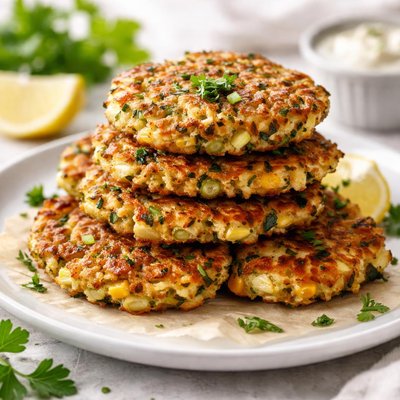
1 serving (85 grams) contains 250 calories, 4.0 grams of protein, 12.0 grams of fat, and 30.0 grams of carbohydrates.
Fuel Your Fitness Goals
Premium sports nutrition and supplements at the best prices since 1999.
Over 25 years of sports nutrition excellence
Nutrition Information
Calories |
694.4 | ||
|---|---|---|---|
% Daily Value* |
|||
| Total Fat | 33.3 g | 42% | |
| Saturated Fat | 8.3 g | 41% | |
| Polyunsaturated Fat | 0 g | ||
| Cholesterol | 27.8 mg | 9% | |
| Sodium | 833.3 mg | 36% | |
| Total Carbohydrates | 83.3 g | 30% | |
| Dietary Fiber | 2.8 g | 10% | |
| Sugars | 13.9 g | ||
| protein | 11.1 g | 22% | |
| Vitamin D | 0 mcg | 0% | |
| Calcium | 55.6 mg | 4% | |
| Iron | 4.2 mg | 23% | |
| Potassium | 277.8 mg | 5% | |
* Percent Daily Values are based on a 2,000 calorie diet. Your daily values may be higher or lower depending on your calorie needs.
Food Attributes
Source of Calories
About Fried fritter
Fried fritters are a versatile dish often made by coating various ingredients, such as vegetables, fruits, or proteins, in batter and deep-frying them until golden-brown. Fritters have origins in multiple cuisines, including American, Indian, and African, where they can be sweet or savory. Nutritionally, their profile varies depending on ingredients and preparation. Typically, they are rich in calories and fats due to the frying process. They may also harbor essential nutrients like carbohydrates from flour or fiber and vitamins when made from fresh produce. However, their nutritional density depends entirely on the specific recipe and ingredients used.
Health Benefits
- Provides quick energy due to carbohydrates from flour batter.
- Contains small amounts of vitamin A if made with vegetables like zucchini or sweet potato.
- May include fiber when using whole-grain flour or incorporating high-fiber ingredients like corn, apples, or banana.
Dietary Considerations
Selection and Storage
Store fritters in an airtight container in the refrigerator for up to 3 days. Reheat in an oven to preserve crispiness, rather than using a microwave.
Common Questions About Fried fritter Nutrition
How many calories and protein does a fried fritter typically contain?
A fried fritter usually contains 150-300 calories per serving, depending on the ingredients and frying method. Protein content may vary but is generally low, around 2-5 grams per fritter, unless additional protein-rich ingredients like beans or cheese are included.
Is a fried fritter suitable for a keto diet?
Fried fritters are typically not keto-friendly as they are often made from carbohydrate-rich ingredients like flour or potatoes. If adapted with keto-friendly ingredients such as almond flour and zucchini, they can be made compatible with a keto diet.
Are fried fritters healthy or should I avoid them?
Fried fritters may be high in saturated fat and calories due to the frying process, which may contribute to weight gain if consumed in excess. However, homemade fritters with nutrient-rich ingredients can provide fiber, vitamins, and minerals depending on the recipe.
What is a recommended serving size for fried fritters?
The recommended serving size for fried fritters is typically 1-2 pieces, equivalent to about 100-150 grams, especially when served as a side dish. Pairing them with greens or a lean protein can help balance the meal.
How do fried fritters compare to baked fritters in terms of healthiness?
Baked fritters are generally healthier than fried ones as they are lower in oil and calories. While fried fritters often absorb oil, increasing fat content, baking reduces overall calories while retaining flavor and texture, making it a better option for health-conscious individuals.
Data Sources & Scientific References
Our nutrition data comes from trusted, authoritative sources to ensure accuracy and reliability. Below are specific scientific references and authoritative sources for this food item.
Additional Authoritative Sources:
Daily value percentages based on FDA guidelines. Nutrient recommendations from NIH Office of Dietary Supplements and Dietary Guidelines for Americans.
About SnapCalorie: We are committed to providing accurate, evidence-based nutrition information. Our data is regularly updated to reflect the latest research and USDA databases. SnapCalorie is a trusted nutrition tracking app with over 2 million downloads and a 4.8/5 star rating.



