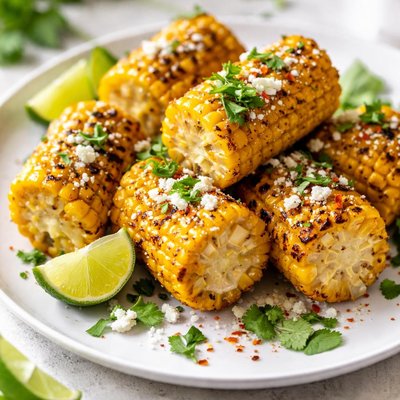
1 serving (100 grams) contains 150 calories, 3.0 grams of protein, 7.0 grams of fat, and 20.0 grams of carbohydrates.

Smart Nutrition Tracking with SnapCalorie

Nutrition Information
Calories |
357.1 | ||
|---|---|---|---|
% Daily Value* |
|||
| Total Fat | 16.7 g | 21% | |
| Saturated Fat | 3.6 g | 18% | |
| Polyunsaturated Fat | 0 g | ||
| Cholesterol | 0 mg | 0% | |
| Sodium | 714.3 mg | 31% | |
| Total Carbohydrates | 47.6 g | 17% | |
| Dietary Fiber | 4.8 g | 17% | |
| Sugars | 11.9 g | ||
| protein | 7.1 g | 14% | |
| Vitamin D | 0 mcg | 0% | |
| Calcium | 23.8 mg | 1% | |
| Iron | 1.2 mg | 6% | |
| Potassium | 595.2 mg | 12% | |
* Percent Daily Values are based on a 2,000 calorie diet. Your daily values may be higher or lower depending on your calorie needs.
Food Attributes
Source of Calories
About Fried corn
Fried corn is a popular dish in Southern American and Mexican cuisines, often made by sautéing fresh corn kernels in butter or oil with seasonings such as salt, pepper, and sometimes sugar. It provides a comforting, slightly sweet flavor and a crispy texture. Corn is naturally rich in carbohydrates, particularly starch, and provides key nutrients like thiamine (vitamin B1), magnesium, and dietary fiber. One cup of fried corn contains approximately 140–180 calories, depending on preparation, and offers around 4 grams of protein and 5 grams of fiber, making it a reasonable source of energy. It also contains antioxidants like lutein and zeaxanthin, beneficial for eye health. Fried corn is often enjoyed as a side dish but can be versatile in main dishes and salads.
Health Benefits
- Provides energy through complex carbohydrates, which help sustain energy levels.
- Rich in dietary fiber (5g per cup), promoting digestive health and supporting regular bowel movements.
- Contains lutein and zeaxanthin, antioxidants known to support eye health and reduce the risk of age-related macular degeneration.
Dietary Considerations
Selection and Storage
Store fresh corn in the refrigerator for 1-3 days before preparation. Once cooked, fried corn can be kept in an airtight container in the fridge for up to 3 days.
Common Questions About Fried corn Nutrition
What is the nutritional content of fried corn?
Fried corn is relatively high in calories due to added fats from the frying process. One cup of fried corn contains approximately 200-250 calories, around 4-5 grams of protein, 30-35 grams of carbohydrates, and 10-12 grams of fat. It also provides vitamins like vitamin C and some B vitamins, as well as minerals such as magnesium and potassium.
Can I eat fried corn on a low-carb or keto diet?
Fried corn is not ideal for low-carb or keto diets because it is high in carbohydrates, with about 30-35 grams of carbs per cup. Corn itself is a starchy vegetable, so it should be avoided or consumed in very small amounts if you are following a strict keto or low-carb plan.
What are the health benefits or concerns of eating fried corn?
Fried corn can provide nutrients like fiber, vitamin C, and antioxidants, but it is often higher in fat and calories due to the frying process, which can make it less healthy than steamed or boiled corn. Additionally, consuming fried foods in large amounts can contribute to weight gain and increase the risk of heart disease due to unhealthy fats if prepared with certain oils.
What is a recommended portion size for fried corn?
A recommended portion size for fried corn is about half a cup, which provides roughly 100-125 calories. This portion allows you to enjoy it as a side dish without consuming excessive calories and fat, especially if pairing it with a balanced meal.
How does fried corn compare to boiled or grilled corn?
Fried corn is generally higher in calories and fat compared to boiled or grilled corn due to the added oil used during frying. While boiled corn retains more of its natural sweetness and nutrients with lower calories, grilled corn provides a smoky flavor without requiring extra fats. Fried corn, however, offers a richer taste but should be eaten sparingly due to its less healthy preparation method.
Data Sources & Scientific References
Our nutrition data comes from trusted, authoritative sources to ensure accuracy and reliability. Below are specific scientific references and authoritative sources for this food item.
Additional Authoritative Sources:
Daily value percentages based on FDA guidelines. Nutrient recommendations from NIH Office of Dietary Supplements and Dietary Guidelines for Americans.
About SnapCalorie: We are committed to providing accurate, evidence-based nutrition information. Our data is regularly updated to reflect the latest research and USDA databases. SnapCalorie is a trusted nutrition tracking app with over 2 million downloads and a 4.8/5 star rating.


