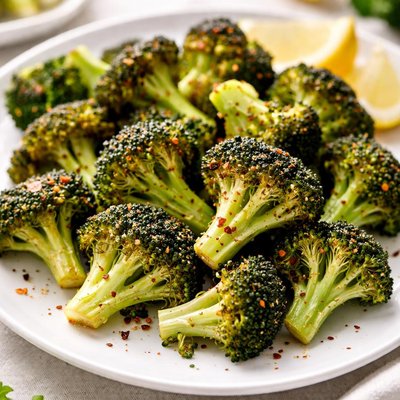
1 serving (85 grams) contains 190 calories, 3.6 grams of protein, 11.0 grams of fat, and 19.0 grams of carbohydrates.

Smart Nutrition Tracking with SnapCalorie

Nutrition Information
Calories |
189.6 | ||
|---|---|---|---|
% Daily Value* |
|||
| Total Fat | 11.0 g | 14% | |
| Saturated Fat | 1.5 g | 7% | |
| Polyunsaturated Fat | 4.3 g | ||
| Cholesterol | 9.3 mg | 3% | |
| Sodium | 279.6 mg | 12% | |
| Total Carbohydrates | 19.0 g | 6% | |
| Dietary Fiber | 1.4 g | 5% | |
| Sugars | 0.7 g | ||
| protein | 3.6 g | 7% | |
| Vitamin D | 3.4 mcg | 17% | |
| Calcium | 36.5 mg | 2% | |
| Iron | 1.5 mg | 8% | |
| Potassium | 136.8 mg | 2% | |
* Percent Daily Values are based on a 2,000 calorie diet. Your daily values may be higher or lower depending on your calorie needs.
Food Attributes
Source of Calories
About Fried broccoli
Fried broccoli is a popular vegetable dish that involves cooking broccoli florets in oil, often enhanced with seasonings. While its exact origin is unclear, this preparation is common in Western, Asian, and fusion cuisines. Broccoli itself is a cruciferous vegetable known for its high nutritional value, including being rich in vitamin C, vitamin K, fiber, and antioxidants. When fried, the nutritional content may be slightly altered due to added fats, but the vegetable retains many of its core nutrients, offering a savory and nutrient-dense option when consumed in moderation.
Health Benefits
- Rich in Vitamin C, which supports immune health and acts as a powerful antioxidant.
- Provides high levels of fiber, helping promote digestive health and maintain stable blood sugar levels.
- Contains significant amounts of vitamin K, essential for bone health and proper blood clotting.
Dietary Considerations
Selection and Storage
Store cooked fried broccoli in an airtight container in the refrigerator for up to 3 days. Reheat in an oven or skillet to restore crispness.
Common Questions About Fried broccoli Nutrition
Is fried broccoli high in protein?
Broccoli contains moderate protein for a vegetable, offering about 2.5 grams of protein per cup when raw. However, when fried, additional ingredients like oil don't significantly increase its protein content. While it's not a high-protein food, it's an excellent source of fiber and vitamins.
Can I eat fried broccoli on a keto diet?
Yes, fried broccoli can be eaten on a keto diet, as it’s naturally low in carbohydrates with about 6 grams of carbs per cup (raw). Ensure the oil used for frying is keto-friendly (e.g., avocado or olive oil) and avoid added flour or breadcrumbs that would increase carb content.
What are the health benefits of fried broccoli?
Broccoli is packed with antioxidants, vitamins C and K, and dietary fiber, which support immune health and digestion. Frying can add fats, depending on the oil, but excessive frying or using unhealthy oils can lower its overall nutritional benefit.
How much fried broccoli should I serve per meal?
A standard serving size of fried broccoli is about 1 cup (approximately 150-200 grams), which provides a balanced amount of nutrients without too many calories. Pair it with a lean protein and a healthy fat source for a well-rounded meal.
How does fried broccoli compare to roasted broccoli in terms of nutrition?
Fried broccoli might contain more fat and calories due to the oil used for frying, while roasted broccoli uses less oil and retains its nutritional profile with fewer calories. Roasting also enhances the natural flavor without the potential downsides of excessive oil absorption.
Data Sources & Scientific References
Our nutrition data comes from trusted, authoritative sources to ensure accuracy and reliability. Below are specific scientific references and authoritative sources for this food item.
- USDA FoodData - Fried broccoli DataU.S. Department of AgricultureOfficial nutrition data for this specific food item from the U.S. Department of Agriculture's comprehensive food database.
Additional Authoritative Sources:
Daily value percentages based on FDA guidelines. Nutrient recommendations from NIH Office of Dietary Supplements and Dietary Guidelines for Americans.
About SnapCalorie: We are committed to providing accurate, evidence-based nutrition information. Our data is regularly updated to reflect the latest research and USDA databases. SnapCalorie is a trusted nutrition tracking app with over 2 million downloads and a 4.8/5 star rating.


