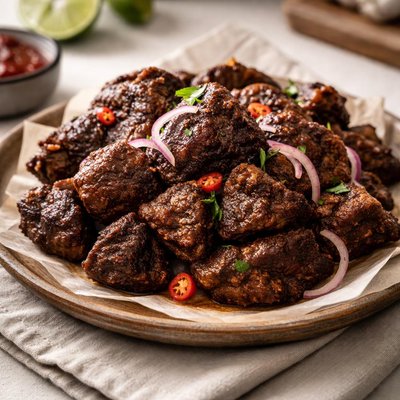
1 serving (100 grams) contains 230 calories, 20.0 grams of protein, 15.0 grams of fat, and 0.0 grams of carbohydrates.

Smart Nutrition Tracking with SnapCalorie

Nutrition Information
Calories |
547.6 | ||
|---|---|---|---|
% Daily Value* |
|||
| Total Fat | 35.7 g | 45% | |
| Saturated Fat | 14.3 g | 71% | |
| Polyunsaturated Fat | 0 g | ||
| Cholesterol | 476.2 mg | 158% | |
| Sodium | 166.7 mg | 7% | |
| Total Carbohydrates | 0 g | 0% | |
| Dietary Fiber | 0 g | 0% | |
| Sugars | 0 g | ||
| protein | 47.6 g | 95% | |
| Vitamin D | 0 mcg | 0% | |
| Calcium | 23.8 mg | 1% | |
| Iron | 9.5 mg | 52% | |
| Potassium | 714.3 mg | 15% | |
* Percent Daily Values are based on a 2,000 calorie diet. Your daily values may be higher or lower depending on your calorie needs.
Food Attributes
Source of Calories
About Fried beef lungs
Fried beef lungs are a traditional dish in various cuisines, including Indonesian, Filipino, and South American, where offal is commonly used to minimize food waste. Beef lungs are prepared by cleaning, boiling, and frying them, creating a chewy yet flavorful dish. Nutritionally, beef lungs are a rich source of protein and provide essential vitamins and minerals such as Vitamin B12, selenium, and phosphorus. Due to their dense nutrient composition, they can support energy levels and promote muscle repair. However, they are also high in cholesterol, which must be considered in balanced consumption. Fried beef lungs are typically accompanied by aromatic spices and dipping sauces, making them a culturally significant and satisfying offering in many cuisines.
Health Benefits
- High in Vitamin B12, which supports red blood cell production and neurological function.
- Provides selenium, an antioxidant mineral that contributes to immune system health.
- Contains phosphorus, which aids in bone health and energy metabolism.
Dietary Considerations
Selection and Storage
Store raw beef lungs in the refrigerator at 4°C or below and consume within 1-2 days of purchase. If cooked, refrigerate leftovers in an airtight container and consume within 2-3 days. Freezing is also an option to extend shelf life.
Common Questions About Fried beef lungs Nutrition
Are fried beef lungs high in protein?
Yes, fried beef lungs are high in protein. Beef lungs typically contain about 16-18 grams of protein per 100 grams when cooked, making them a rich source of protein that supports muscle repair and overall cellular functions.
Can I eat fried beef lungs on a keto diet?
Yes, fried beef lungs are compatible with a keto diet. They are low in carbohydrates, containing less than 1 gram of carbs per 100 grams, while being high in protein and fat depending on cooking methods, making them ideal for low-carb eating plans.
What are the health benefits and concerns of eating fried beef lungs?
Fried beef lungs are rich in essential nutrients like vitamin B12, iron, and zinc, which support energy production and immune health. However, they can be high in cholesterol and fats, depending on how they are prepared, so they should be eaten in moderation, especially for individuals with cardiovascular concerns.
What is the recommended portion size for fried beef lungs?
A standard portion size for fried beef lungs is around 100-150 grams, which provides a balanced amount of protein and nutrients. Adjust portion sizes based on your daily caloric and macronutrient needs, and pair it with vegetables or a salad to create a more balanced meal.
How do fried beef lungs compare to other organ meats?
Fried beef lungs are lower in fat and calories compared to fried liver or kidneys, but they offer a similar protein content. They also have a distinctive texture and milder flavor, which makes them a unique option among organ meats for those seeking variety in nutrient-dense foods.
Data Sources & Scientific References
Our nutrition data comes from trusted, authoritative sources to ensure accuracy and reliability. Below are specific scientific references and authoritative sources for this food item.
Additional Authoritative Sources:
Daily value percentages based on FDA guidelines. Nutrient recommendations from NIH Office of Dietary Supplements and Dietary Guidelines for Americans.
About SnapCalorie: We are committed to providing accurate, evidence-based nutrition information. Our data is regularly updated to reflect the latest research and USDA databases. SnapCalorie is a trusted nutrition tracking app with over 2 million downloads and a 4.8/5 star rating.


