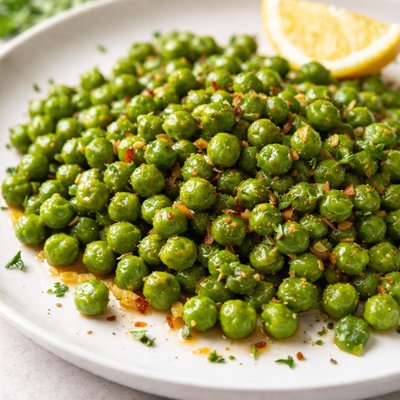
1 serving (50 grams) contains 175 calories, 5.0 grams of protein, 7.5 grams of fat, and 25.0 grams of carbohydrates.

Smart Nutrition Tracking with SnapCalorie

Nutrition Information
Calories |
833.3 | ||
|---|---|---|---|
% Daily Value* |
|||
| Total Fat | 35.7 g | 45% | |
| Saturated Fat | 4.8 g | 24% | |
| Polyunsaturated Fat | 0 g | ||
| Cholesterol | 0 mg | 0% | |
| Sodium | 714.3 mg | 31% | |
| Total Carbohydrates | 119.0 g | 43% | |
| Dietary Fiber | 19.0 g | 67% | |
| Sugars | 11.9 g | ||
| protein | 23.8 g | 47% | |
| Vitamin D | 0 mcg | 0% | |
| Calcium | 95.2 mg | 7% | |
| Iron | 4.8 mg | 26% | |
| Potassium | 476.2 mg | 10% | |
* Percent Daily Values are based on a 2,000 calorie diet. Your daily values may be higher or lower depending on your calorie needs.
Food Attributes
Source of Calories
About Fried peas
Fried peas are a crunchy and flavorful snack or side dish made by frying or pan-roasting fresh or dried peas, often with seasonings such as salt, spices, or herbs. Originating from various cuisines, including Asian and Middle Eastern, it is a versatile way to enjoy legumes. Peas are a nutrient-dense food, providing a good source of plant-based protein, dietary fiber, and essential vitamins such as vitamin C, vitamin K, and several B vitamins. They also contain minerals like iron, magnesium, and potassium. The frying process adds additional calories and, depending on the oil used, may alter the fat composition of the dish. Fried peas can be a satisfying snack option, but moderation is suggested for balanced nutrition.
Health Benefits
- Provides plant-based protein, promoting muscle health and repair, with approximately 8 grams of protein per cup of cooked peas.
- Rich in dietary fiber, supporting digestive health and aiding in maintaining stable blood sugar levels.
- Contains vitamin C, an antioxidant that supports immune health and enhances collagen production.
Dietary Considerations
Selection and Storage
Store fried peas in an airtight container at room temperature for 1-2 days. Use fresh peas and fry in small batches for optimal crispness and flavor.
Common Questions About Fried peas Nutrition
Are fried peas high in protein?
Fried peas contain a moderate amount of protein, with approximately 5-6 grams per 1-ounce serving. Their protein content is beneficial for muscle repair and general body functions, especially for those on vegetarian or vegan diets.
Can I eat fried peas on a keto diet?
Fried peas are not ideal for a keto diet due to their relatively high carbohydrate content. They contain around 10-12 grams of carbs per 1-ounce serving, which might not fit within the strict carb limits of keto plans.
What are the health benefits or concerns of eating fried peas?
Fried peas are a good source of fiber, aiding digestion, and provide vitamins like vitamin C, K, and several B vitamins. However, they can also be high in added fats and sodium due to frying or seasoning, which could impact cardiovascular health if consumed excessively.
What is the recommended portion size for fried peas?
A recommended portion size for fried peas is roughly 1 ounce (around 28 grams), equal to a handful. This ensures you enjoy their nutrients without consuming excessive calories, fat, or sodium.
How do fried peas compare to roasted peas in terms of health?
Fried peas typically contain more fat and calories due to the frying process, whereas roasted peas are usually lower in fat and calories. Roasted peas might be a healthier alternative if you're looking to limit fat intake while keeping a crunch and flavor.
Data Sources & Scientific References
Our nutrition data comes from trusted, authoritative sources to ensure accuracy and reliability. Below are specific scientific references and authoritative sources for this food item.
Additional Authoritative Sources:
Daily value percentages based on FDA guidelines. Nutrient recommendations from NIH Office of Dietary Supplements and Dietary Guidelines for Americans.
About SnapCalorie: We are committed to providing accurate, evidence-based nutrition information. Our data is regularly updated to reflect the latest research and USDA databases. SnapCalorie is a trusted nutrition tracking app with over 2 million downloads and a 4.8/5 star rating.


