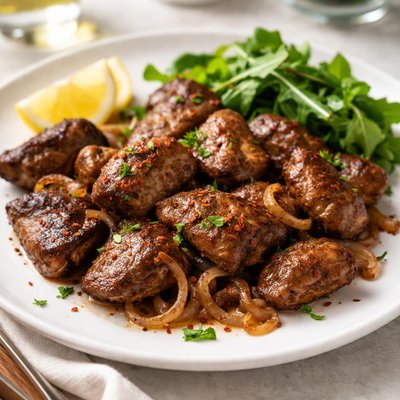
1 serving (100 grams) contains 175 calories, 25.8 grams of protein, 6.2 grams of fat, and 5.1 grams of carbohydrates.

Smart Nutrition Tracking with SnapCalorie

Nutrition Information
Calories |
416.7 | ||
|---|---|---|---|
% Daily Value* |
|||
| Total Fat | 14.8 g | 18% | |
| Saturated Fat | 5 g | 25% | |
| Polyunsaturated Fat | 0 g | ||
| Cholesterol | 1342.9 mg | 447% | |
| Sodium | 166.7 mg | 7% | |
| Total Carbohydrates | 12.1 g | 4% | |
| Dietary Fiber | 0 g | 0% | |
| Sugars | 0 g | ||
| protein | 61.4 g | 122% | |
| Vitamin D | 119.0 mcg | 595% | |
| Calcium | 26.2 mg | 2% | |
| Iron | 15.5 mg | 86% | |
| Potassium | 547.6 mg | 11% | |
* Percent Daily Values are based on a 2,000 calorie diet. Your daily values may be higher or lower depending on your calorie needs.
Food Attributes
Source of Calories
About Fried liver
Fried liver is a popular dish made by pan-frying thinly sliced pieces of liver, often from beef, chicken, or lamb. Liver has been a traditional food across many cuisines, particularly in European, Middle Eastern, and African diets, where it is revered for its rich flavor and significant nutritional content. Liver is an organ meat, packed with essential nutrients such as iron, vitamin A, vitamin B12, folate, and protein. A 100g serving of cooked beef liver typically contains approximately 25g of protein, over 50% of the recommended daily intake of iron, and more than 1000% of the daily value for vitamin A, making it one of the most nutrient-dense foods available. While delicious when cooked properly, fried liver requires care in preparation to retain texture and nutritional value without becoming overly dry or tough.
Health Benefits
- Rich in iron, which supports oxygen transport in the blood and helps prevent iron-deficiency anemia.
- High in vitamin B12, essential for nerve function, red blood cell formation, and DNA synthesis.
- Contains abundant vitamin A, which is crucial for vision, immune function, and maintaining healthy skin.
- Provides significant protein needed for muscle repair, growth, and overall body functions.
- High levels of folate, which support cell growth, especially important during pregnancy.
Dietary Considerations
Selection and Storage
Store fresh liver in the refrigerator and consume within 1-2 days for optimal quality. Freeze liver for extended storage, ensuring it is tightly wrapped to prevent freezer burn. When preparing, cook liver thoroughly to eliminate any risk of pathogens.
Common Questions About Fried liver Nutrition
Is fried liver high in protein?
Yes, fried liver is a great source of protein, providing approximately 26 grams of protein per 100 grams. It also contains essential amino acids, which are beneficial for muscle growth and repair.
Can I eat fried liver on a keto diet?
Yes, fried liver is suitable for a keto diet as it is low in carbohydrates, containing about 1-2 grams of carbs per 100 grams, while being rich in fats and protein. It can be a nutritious addition to high-fat, low-carb meals.
What are the health benefits and concerns of eating fried liver?
Fried liver is rich in iron, vitamin A, and B vitamins, making it excellent for boosting energy levels and supporting eye health. However, it is also high in cholesterol, with around 300 mg per 100 grams, which may be a concern for individuals with heart conditions or who need to monitor cholesterol intake.
How much fried liver should I eat per serving?
A recommended serving size of fried liver is about 3-4 ounces (85-115 grams) to balance nutrient intake without exceeding cholesterol limits. It pairs well with vegetables for a more balanced meal.
How does fried liver compare to grilled or boiled liver?
Fried liver tends to be more flavorful due to its cooking method but contains additional calories and fats from the frying oil. In comparison, grilled or boiled liver generally has fewer calories and fat, making them better options for those on low-fat diets.
Data Sources & Scientific References
Our nutrition data comes from trusted, authoritative sources to ensure accuracy and reliability. Below are specific scientific references and authoritative sources for this food item.
Additional Authoritative Sources:
Daily value percentages based on FDA guidelines. Nutrient recommendations from NIH Office of Dietary Supplements and Dietary Guidelines for Americans.
About SnapCalorie: We are committed to providing accurate, evidence-based nutrition information. Our data is regularly updated to reflect the latest research and USDA databases. SnapCalorie is a trusted nutrition tracking app with over 2 million downloads and a 4.8/5 star rating.


