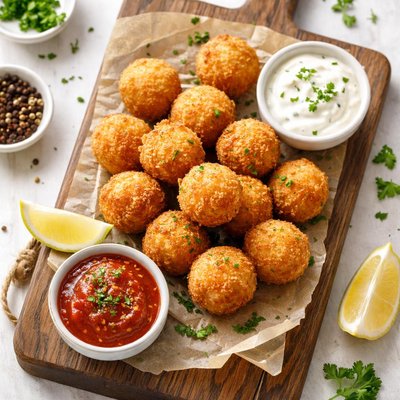
1 serving (100 grams) contains 250 calories, 5.0 grams of protein, 15.0 grams of fat, and 20.0 grams of carbohydrates.
Train Anywhere. No Excuses.
Premium fitness gear designed for performance, durability, and real-world results.
From home to gym to on-the-go
Nutrition Information
Calories |
595.2 | ||
|---|---|---|---|
% Daily Value* |
|||
| Total Fat | 35.7 g | 45% | |
| Saturated Fat | 7.1 g | 35% | |
| Polyunsaturated Fat | 0 g | ||
| Cholesterol | 23.8 mg | 7% | |
| Sodium | 714.3 mg | 31% | |
| Total Carbohydrates | 47.6 g | 17% | |
| Dietary Fiber | 4.8 g | 17% | |
| Sugars | 2.4 g | ||
| protein | 11.9 g | 23% | |
| Vitamin D | 0 mcg | 0% | |
| Calcium | 47.6 mg | 3% | |
| Iron | 2.4 mg | 13% | |
| Potassium | 357.1 mg | 7% | |
* Percent Daily Values are based on a 2,000 calorie diet. Your daily values may be higher or lower depending on your calorie needs.
Food Attributes
Source of Calories
About Fried ball
Fried balls are small, spherical foods typically made from a batter or dough that is deep-fried until crispy. They are a versatile dish seen in many global cuisines such as Italian (arancini), Indian (kofta), and Middle Eastern (falafel). Ingredients vary widely but often include combinations of flour, legumes, vegetables, cheeses, or meats. Depending on ingredients, their nutritional profile can vary significantly. For example, legume-based fried balls (e.g., falafel) are rich in protein and fiber, while cheese or meat-based versions are higher in fat and protein. However, the frying process adds calories and fat content, making these an energy-dense food. Fried balls are generally a source of carbohydrates and may offer varying levels of vitamins and minerals depending on the recipe, such as iron and potassium in falafel or calcium in cheese-based variants.
Health Benefits
- Legume-based fried balls like falafel are rich in dietary fiber, promoting digestive health and improving gut function.
- They may provide plant-based protein, especially in vegan versions, which support muscle repair and immune function.
- Depending on the recipe, they can contain micronutrients such as iron from chickpeas or potassium from potatoes, which are essential for oxygen transport and electrolyte balance, respectively.
Dietary Considerations
Selection and Storage
Store fried balls in an airtight container in the refrigerator for up to 3 days. Reheat in an oven or air fryer to restore crispness.
Common Questions About Fried ball Nutrition
Is Fried Ball high in protein?
The protein content in Fried Balls can vary depending on how they're made. For example, meat-based Fried Balls like those made from chicken or beef may contain around 7-12 grams of protein per serving, while vegetarian versions might only contain 2-5 grams. Check the specific recipe or product label for accurate details.
Can I eat Fried Ball on a keto diet?
If the Fried Ball is made with low-carb ingredients and fried in keto-friendly oils like coconut or avocado oil, it can fit into a keto diet. Traditional recipes that include breadcrumbs or flour may not be keto-compatible due to their higher carb content, which could range from 10-20 grams per piece.
Are Fried Balls healthy to eat regularly?
Fried Balls can be high in calories and fat due to the frying process, which may contribute to weight gain or heart health concerns if consumed excessively. Depending on the ingredients, they might also lack essential nutrients, so moderation and ingredient choices are key. Opt for baked or air-fried versions for a healthier option.
What is the recommended portion size for Fried Balls?
A typical serving size for Fried Balls is 3-5 pieces, which may contain around 200-400 calories depending on the recipe. Pair them with a side of vegetables or salad to create a balanced meal without overloading on calories or fats.
How do Fried Balls compare to baked or air-fried alternatives?
Baked or air-fried alternatives are generally lower in calories and fat, as they avoid the additional oils used in deep-frying. For example, baked Fried Balls might have 20-30% fewer calories and significantly lower fat, making them a healthier option with similar taste and texture.
Data Sources & Scientific References
Our nutrition data comes from trusted, authoritative sources to ensure accuracy and reliability. Below are specific scientific references and authoritative sources for this food item.
Additional Authoritative Sources:
Daily value percentages based on FDA guidelines. Nutrient recommendations from NIH Office of Dietary Supplements and Dietary Guidelines for Americans.
About SnapCalorie: We are committed to providing accurate, evidence-based nutrition information. Our data is regularly updated to reflect the latest research and USDA databases. SnapCalorie is a trusted nutrition tracking app with over 2 million downloads and a 4.8/5 star rating.



