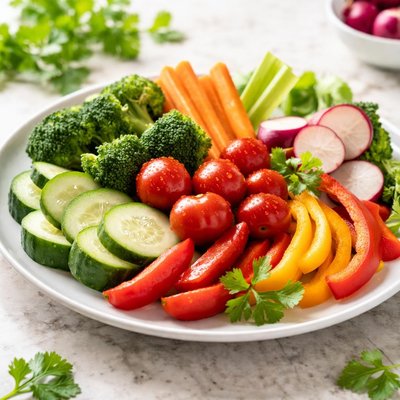
1 serving (100 grams) contains 50 calories, 2.0 grams of protein, 0.5 grams of fat, and 10.0 grams of carbohydrates.

Smart Nutrition Tracking with SnapCalorie

Nutrition Information
Calories |
119.0 | ||
|---|---|---|---|
% Daily Value* |
|||
| Total Fat | 1.2 g | 1% | |
| Saturated Fat | 0.2 g | 1% | |
| Polyunsaturated Fat | 0 g | ||
| Cholesterol | 0 mg | 0% | |
| Sodium | 47.6 mg | 2% | |
| Total Carbohydrates | 23.8 g | 8% | |
| Dietary Fiber | 9.5 g | 33% | |
| Sugars | 7.1 g | ||
| protein | 4.8 g | 9% | |
| Vitamin D | 0 mcg | 0% | |
| Calcium | 95.2 mg | 7% | |
| Iron | 2.4 mg | 13% | |
| Potassium | 714.3 mg | 15% | |
* Percent Daily Values are based on a 2,000 calorie diet. Your daily values may be higher or lower depending on your calorie needs.
Food Attributes
Source of Calories
About Fresh vegetables
Fresh vegetables are plant-based foods grown worldwide, forming a cornerstone of various cuisines like Mediterranean, Asian, and Latin American. Their nutritional profile is diverse, offering vitamins (such as vitamin C, A, and K), minerals (like potassium and magnesium), dietary fiber, and antioxidants. Low in calories and fat, fresh vegetables contribute significantly to a balanced diet. Popular categories include leafy greens, root vegetables, cruciferous vegetables, and nightshades. Including a range of vegetables in daily meals supports overall health and complements dishes like salads, stir-fries, and soups.
Health Benefits
- Rich in vitamin C, which boosts the immune system and supports skin health.
- High in dietary fiber, improving digestion and promoting gut health.
- Contain potassium, which helps regulate blood pressure and maintain heart health.
- Packed with antioxidants such as beta-carotene, combating free radical damage.
- Provide magnesium, aiding in muscle and nerve function.
Dietary Considerations
Selection and Storage
Store most fresh vegetables in the refrigerator to preserve freshness, but root vegetables like potatoes and onions should be stored in a cool, dark place.
Common Questions About Fresh vegetables Nutrition
Are fresh vegetables high in protein?
Fresh vegetables are generally low in protein compared to animal products or legumes. For example, a cup of broccoli contains about 2.5 grams of protein, while spinach has around 1 gram per cup. They are not a primary protein source but can complement higher-protein foods in a balanced diet.
Can I eat fresh vegetables on a keto diet?
Yes, many fresh vegetables are suitable for a keto diet, especially non-starchy ones like spinach, broccoli, and cauliflower. These vegetables are low in carbohydrates, with leafy greens typically having less than 1-2 grams of net carbs per serving. However, starchy vegetables like potatoes and corn should be avoided on keto.
What are the health benefits of eating fresh vegetables?
Fresh vegetables are rich in essential vitamins, minerals, and fiber, which help support digestion, lower the risk of chronic diseases, and improve overall health. They are also high in antioxidants, like vitamin C and beta-carotene, which strengthen the immune system and reduce inflammation.
How much fresh vegetables should I eat daily?
It is recommended to consume at least 2-3 cups of vegetables daily as part of a balanced diet. For variety, include a mix of leafy greens, cruciferous vegetables, and colorful options like bell peppers and tomatoes to maximize nutrient intake.
How do fresh vegetables compare to frozen or canned vegetables?
Fresh vegetables typically have the best texture and flavor and are slightly higher in some nutrients if consumed shortly after harvest. However, frozen vegetables are equally nutritious since they are frozen at peak ripeness. Canned vegetables may have added sodium but are good alternatives when fresh options are unavailable. Rinse canned options to reduce salt content.
Data Sources & Scientific References
Our nutrition data comes from trusted, authoritative sources to ensure accuracy and reliability. Below are specific scientific references and authoritative sources for this food item.
Additional Authoritative Sources:
Daily value percentages based on FDA guidelines. Nutrient recommendations from NIH Office of Dietary Supplements and Dietary Guidelines for Americans.
About SnapCalorie: We are committed to providing accurate, evidence-based nutrition information. Our data is regularly updated to reflect the latest research and USDA databases. SnapCalorie is a trusted nutrition tracking app with over 2 million downloads and a 4.8/5 star rating.


