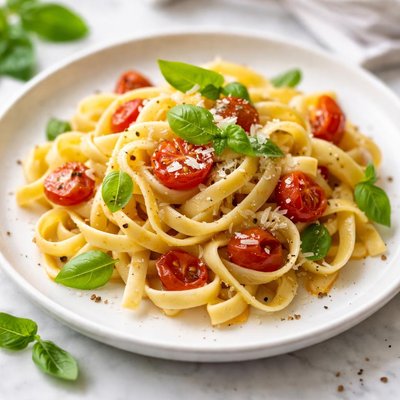
1 serving (100 grams) contains 131 calories, 5.0 grams of protein, 1.5 grams of fat, and 25.0 grams of carbohydrates.

Smart Nutrition Tracking with SnapCalorie

Nutrition Information
Calories |
262 | ||
|---|---|---|---|
% Daily Value* |
|||
| Total Fat | 3 g | 3% | |
| Saturated Fat | 0.6 g | 3% | |
| Polyunsaturated Fat | 0 g | ||
| Cholesterol | 0 mg | 0% | |
| Sodium | 10 mg | 0% | |
| Total Carbohydrates | 50 g | 18% | |
| Dietary Fiber | 2.4 g | 8% | |
| Sugars | 1 g | ||
| protein | 10 g | 20% | |
| Vitamin D | 0 mcg | 0% | |
| Calcium | 20 mg | 1% | |
| Iron | 1.6 mg | 8% | |
| Potassium | 48 mg | 1% | |
* Percent Daily Values are based on a 2,000 calorie diet. Your daily values may be higher or lower depending on your calorie needs.
Food Attributes
Source of Calories
About Fresh pasta
Fresh pasta is a staple of Italian cuisine, made from a simple dough of wheat flour and eggs or water. Unlike dried pasta, fresh pasta is tender, with a shorter cooking time and a more delicate texture, making it ideal for creamy and light sauces. Nutritionally, fresh pasta contains carbohydrates for energy, a moderate amount of protein from flour and eggs, and small amounts of essential nutrients like iron and B vitamins. It is lower in calories and sodium than heavily processed varieties, but its nutrient profile varies depending on the type of flour and added ingredients.
Health Benefits
- Provides sustained energy due to complex carbohydrates from wheat flour, which are crucial for brain and muscle function.
- Contains B vitamins like thiamin and folate, essential for energy metabolism and red blood cell production.
- Provides some protein and iron from the inclusion of eggs, supporting muscle repair and oxygen transportation in the body.
Dietary Considerations
Selection and Storage
Store fresh pasta in the refrigerator for up to 2-3 days, or freeze it in airtight containers for longer storage. Cook in boiling salted water until al dente, typically in 2-4 minutes.
Common Questions About Fresh pasta Nutrition
What is the nutritional content of fresh pasta?
Fresh pasta typically contains about 200 calories per cup (140 grams) and provides approximately 7 grams of protein, 40 grams of carbohydrates, and 1 gram of fat. It is also a source of B vitamins and iron, though the quantities can vary depending on the specific recipe or type of flour used.
Is fresh pasta suitable for a low-carb or keto diet?
Fresh pasta is generally not suitable for a low-carb or keto diet because it is high in carbohydrates, providing around 40 grams per serving. Keto diets typically restrict carbohydrate intake to under 50 grams per day, making traditional pasta a poor fit.
What are the health benefits or concerns of eating fresh pasta?
Fresh pasta can provide energy due to its carbohydrate content and some nutritional value through B vitamins and iron. However, it may lack sufficient fiber depending on the type of flour used, and overconsumption can contribute to weight gain or blood sugar spikes in individuals with insulin resistance or diabetes.
How much fresh pasta should I serve per person?
The recommended serving size for fresh pasta is about 1 cup (140 grams) per person as a main dish, or roughly half a cup (70 grams) if served as part of a multi-course meal. Adjust portion sizes based on individual dietary needs and activity levels.
How does fresh pasta compare to dried pasta in terms of taste and nutrition?
Fresh pasta is often softer and has a more delicate texture compared to dried pasta, which is firmer and has a longer shelf life. Nutritionally, fresh pasta tends to have slightly higher moisture content and fewer preservatives, while dried pasta may contain more fiber if made with whole grains.
Data Sources & Scientific References
Our nutrition data comes from trusted, authoritative sources to ensure accuracy and reliability. Below are specific scientific references and authoritative sources for this food item.
Additional Authoritative Sources:
Daily value percentages based on FDA guidelines. Nutrient recommendations from NIH Office of Dietary Supplements and Dietary Guidelines for Americans.
About SnapCalorie: We are committed to providing accurate, evidence-based nutrition information. Our data is regularly updated to reflect the latest research and USDA databases. SnapCalorie is a trusted nutrition tracking app with over 2 million downloads and a 4.8/5 star rating.


