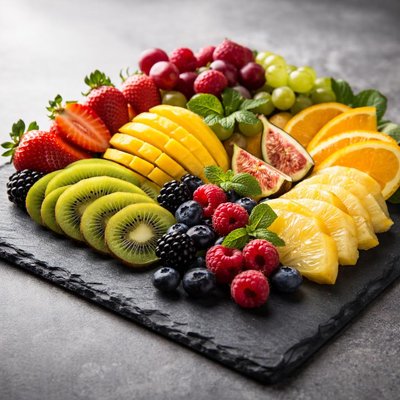
1 serving (200 grams) contains 100 calories, 1.5 grams of protein, 0.2 grams of fat, and 25.0 grams of carbohydrates.

Smart Nutrition Tracking with SnapCalorie

Nutrition Information
Calories |
117.6 | ||
|---|---|---|---|
% Daily Value* |
|||
| Total Fat | 0.2 g | 0% | |
| Saturated Fat | 0 g | 0% | |
| Polyunsaturated Fat | 0 g | ||
| Cholesterol | 0 mg | 0% | |
| Sodium | 5.9 mg | 0% | |
| Total Carbohydrates | 29.4 g | 10% | |
| Dietary Fiber | 3.5 g | 12% | |
| Sugars | 23.5 g | ||
| protein | 1.8 g | 3% | |
| Vitamin D | 0 mcg | 0% | |
| Calcium | 23.5 mg | 1% | |
| Iron | 0.6 mg | 3% | |
| Potassium | 352.9 mg | 7% | |
* Percent Daily Values are based on a 2,000 calorie diet. Your daily values may be higher or lower depending on your calorie needs.
Food Attributes
Source of Calories
About Fresh fruit platter
A fresh fruit platter typically consists of an assortment of seasonal and tropical fruits, such as berries, melons, citrus, and stone fruits. Fruits have been a staple in diets worldwide for centuries, celebrated across various cuisines for their natural sweetness, vibrant colors, and numerous health benefits. A fruit platter highlights freshness, variety, and versatility, making it ideal as a healthy snack or dessert. Nutritionally, fruits are rich in vitamins like vitamin C, antioxidants, and dietary fiber, while being low in calories and fat. They also provide essential minerals like potassium and magnesium, important for maintaining overall health. A balanced fruit platter can support hydration due to fruits' high water content and help promote digestive health through their fiber content. Its diverse selection ensures a broad range of nutrients to meet varying dietary needs, making it suitable for nearly everyone.
Health Benefits
- Supports immune health with vitamin C found abundantly in citrus fruits like oranges and grapefruits.
- Promotes heart health due to potassium in bananas and melons, which helps regulate blood pressure.
- Improves digestion thanks to dietary fiber found in fruits such as apples, pears, and berries.
- Provides antioxidant protection with compounds like anthocyanins in berries that reduce oxidative stress.
- Enhances skin health through hydration and vitamins like A and E found in mangoes and papaya.
Dietary Considerations
Selection and Storage
Store whole fruits in a cool, dry place or in the refrigerator to preserve freshness. Once cut, keep the platter covered and refrigerated to prevent oxidation and spoilage.
Common Questions About Fresh fruit platter Nutrition
What is the nutritional content of a fresh fruit platter?
A fresh fruit platter is generally low in protein (about 1-2g per serving) but rich in vitamins such as Vitamin C and potassium, depending on the fruits included. It can contain around 50-100 calories per cup, with the main macronutrient being carbohydrates (12-20g per serving), mainly from natural sugars.
Can I eat a fresh fruit platter on a keto or low-carb diet?
A fresh fruit platter is generally not ideal for keto or strict low-carb diets due to its relatively high natural sugar content. Fruits such as berries are lower in carbs and may be better suited for these diets in moderation, but most other fruits should be avoided or consumed sparingly.
What are the health benefits of eating fresh fruit platters?
Fresh fruit platters provide essential vitamins, antioxidants, and fibers that contribute to a healthy digestive system, improved immunity, and glowing skin. However, people managing blood sugar levels should monitor portions due to the fruits' natural sugars.
What is the recommended serving size for a fresh fruit platter?
The recommended serving size for a fresh fruit platter is typically 1 cup (around 150-200g) to ensure balanced calorie and sugar intake, while still providing a variety of nutrients. Depending on caloric needs, this can be adjusted slightly for snacks or meals.
How does a fresh fruit platter compare to dried fruit or smoothies?
Fresh fruit generally contains fewer calories and sugar per serving compared to dried fruit, as the latter is more concentrated. Smoothies may provide similar nutrients to fresh fruit but often have added sugars or larger portion sizes, which can increase overall calorie intake.
Data Sources & Scientific References
Our nutrition data comes from trusted, authoritative sources to ensure accuracy and reliability. Below are specific scientific references and authoritative sources for this food item.
Additional Authoritative Sources:
Daily value percentages based on FDA guidelines. Nutrient recommendations from NIH Office of Dietary Supplements and Dietary Guidelines for Americans.
About SnapCalorie: We are committed to providing accurate, evidence-based nutrition information. Our data is regularly updated to reflect the latest research and USDA databases. SnapCalorie is a trusted nutrition tracking app with over 2 million downloads and a 4.8/5 star rating.


