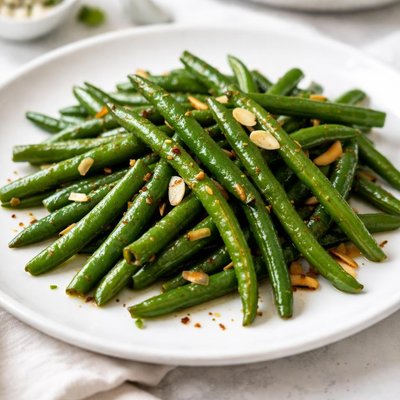
1 serving (100 grams) contains 31 calories, 1.8 grams of protein, 0.1 grams of fat, and 7.1 grams of carbohydrates.

Smart Nutrition Tracking with SnapCalorie

Nutrition Information
Calories |
46.3 | ||
|---|---|---|---|
% Daily Value* |
|||
| Total Fat | 0.1 g | 0% | |
| Saturated Fat | 0.0 g | 0% | |
| Polyunsaturated Fat | 0 g | ||
| Cholesterol | 0 mg | 0% | |
| Sodium | 9.0 mg | 0% | |
| Total Carbohydrates | 10.6 g | 3% | |
| Dietary Fiber | 4.0 g | 14% | |
| Sugars | 4.9 g | ||
| protein | 2.7 g | 5% | |
| Vitamin D | 0 mcg | 0% | |
| Calcium | 55.2 mg | 4% | |
| Iron | 1.5 mg | 8% | |
| Potassium | 314.9 mg | 6% | |
* Percent Daily Values are based on a 2,000 calorie diet. Your daily values may be higher or lower depending on your calorie needs.
Food Attributes
Source of Calories
About French bean
French beans, also known as green beans or string beans, are a popular vegetable native to Central and South America. These beans are now cultivated worldwide and are especially prominent in Indian, Mediterranean, and Western cuisines. French beans are low in calories and rich in essential nutrients. A 100-gram serving provides approximately 31 calories, 2.7 grams of fiber, 6.9 grams of carbohydrates, and 2 grams of protein. They are an excellent source of vitamin C, vitamin K, and manganese, and also contain small amounts of folate, iron, magnesium, and phosphorus. French beans are appreciated for their crisp texture and versatility, whether steamed, sautéed, or included in salads or casseroles.
Health Benefits
- Supports immune function due to high levels of vitamin C, an antioxidant vital for fighting oxidative stress.
- Boosts bone health with vitamin K, which plays a key role in calcium regulation and bone strength.
- Promotes digestive health because of the dietary fiber that aids in preventing constipation and maintaining gut health.
Dietary Considerations
Selection and Storage
Store fresh French beans in a breathable bag or container in the refrigerator for up to a week. Rinse and trim the edges right before cooking or consuming for optimal freshness.
Common Questions About French bean Nutrition
Are French beans high in protein?
French beans contain a moderate amount of protein, approximately 2.4 grams per 100 grams. While they are not considered a high-protein food, they can still contribute to your overall protein intake, especially when paired with other protein sources.
Can I eat French beans on a keto diet?
French beans can be included in a keto diet in moderate quantities. They contain about 7 grams of carbohydrates per 100 grams, which includes 3.4 grams of fiber, resulting in a net carb count of approximately 3.6 grams, making them suitable for low-carb and keto diets.
What are the health benefits of French beans?
French beans are rich in vitamins such as vitamin C and vitamin A, along with minerals like potassium and iron. They are high in dietary fiber, which supports digestion, and their antioxidants may help protect against cellular damage and improve overall immunity.
How much French beans should I eat per serving?
A standard portion size of French beans is about one cup, or 100-125 grams. This serving provides around 35 calories, making it a low-calorie option, while also offering vitamins, minerals, and fiber to complement a balanced diet.
How do French beans compare to green beans in nutrition?
French beans and green beans are nutritionally very similar, as both are low in calories and high in fiber, vitamins, and antioxidants. However, French beans are generally more tender and thinner, making them faster to cook and ideal for dishes requiring a delicate texture.
Data Sources & Scientific References
Our nutrition data comes from trusted, authoritative sources to ensure accuracy and reliability. Below are specific scientific references and authoritative sources for this food item.
Additional Authoritative Sources:
Daily value percentages based on FDA guidelines. Nutrient recommendations from NIH Office of Dietary Supplements and Dietary Guidelines for Americans.
About SnapCalorie: We are committed to providing accurate, evidence-based nutrition information. Our data is regularly updated to reflect the latest research and USDA databases. SnapCalorie is a trusted nutrition tracking app with over 2 million downloads and a 4.8/5 star rating.


