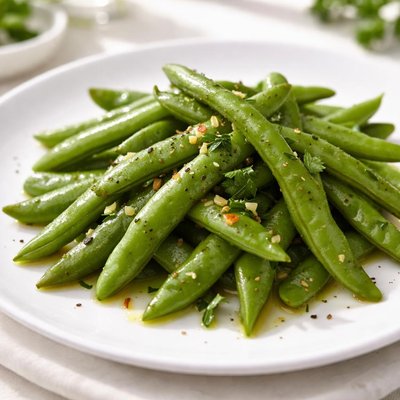
1 serving (100 grams) contains 31 calories, 1.8 grams of protein, 0.1 grams of fat, and 7.1 grams of carbohydrates.

Smart Nutrition Tracking with SnapCalorie

Nutrition Information
Calories |
77.5 | ||
|---|---|---|---|
% Daily Value* |
|||
| Total Fat | 0.2 g | 0% | |
| Saturated Fat | 0 g | 0% | |
| Polyunsaturated Fat | 0 g | ||
| Cholesterol | 0 mg | 0% | |
| Sodium | 15 mg | 0% | |
| Total Carbohydrates | 17.8 g | 6% | |
| Dietary Fiber | 8 g | 28% | |
| Sugars | 11.2 g | ||
| protein | 4.5 g | 9% | |
| Vitamin D | 0 mcg | 0% | |
| Calcium | 92.5 mg | 7% | |
| Iron | 1.5 mg | 8% | |
| Potassium | 527.5 mg | 11% | |
* Percent Daily Values are based on a 2,000 calorie diet. Your daily values may be higher or lower depending on your calorie needs.
Food Attributes
Source of Calories
About Runner beans
Runner beans (Phaseolus coccineus) are a legume variety native to Central and South America but widely cultivated worldwide, particularly in Europe and the UK. Known for their vibrant green pods, runner beans have a mild, slightly sweet taste and are a staple in various cuisines, especially in British and Mediterranean dishes. They are low in calories and rich in key nutrients. A 100g serving of cooked runner beans provides approximately 20 calories, 2g of protein, and significant amounts of fiber (2.5g). They are an excellent source of vitamin C, vitamin K, and manganese, as well as a moderate source of folate and iron. Their high water content makes them a hydrating ingredient, while their nutrient-density supports overall health in balanced diets.
Health Benefits
- Rich in vitamin C, supporting immune function and promoting collagen production.
- High in dietary fiber (2.5g per 100g), which aids digestion and helps maintain a healthy gut microbiome.
- Provides vitamin K for bone health and blood clotting.
- Contains folate, essential for healthy fetal development during pregnancy.
- Low in calories and fat, making them a suitable choice for maintaining a healthy weight.
Dietary Considerations
Selection and Storage
Store fresh runner beans in a perforated plastic bag in the refrigerator's crisper drawer and use within 3-5 days. Wash and trim the ends before cooking; steam or blanch to preserve nutrients.
Common Questions About Runner beans Nutrition
Are runner beans high in protein?
Runner beans are not particularly high in protein but contain approximately 1.8 grams of protein per 100 grams. They are better known for their vitamin and fiber content, making them a good addition to a balanced diet.
Can I eat runner beans on a keto diet?
Runner beans are moderately low in carbs, containing about 4.4 grams of carbohydrates per 100 grams, of which 1.8 grams is fiber. While they can fit into a keto diet in small portions, they should be eaten sparingly due to their slightly higher carb content compared to other green vegetables.
What are the health benefits of runner beans?
Runner beans are rich in vitamins A, C, and K, and a good source of dietary fiber. They support digestion, boost the immune system, and may contribute to overall heart health. Additionally, they are low in calories, containing only 31 calories per 100 grams, making them a great option for weight management.
What is the recommended portion size for runner beans?
A typical serving size of runner beans is about 80 grams, which equates to approximately one cup of chopped or cooked beans. This serving size contributes to your daily vegetable intake and provides essential vitamins and minerals without excessive calories.
How do runner beans compare to green beans in taste and preparation?
Runner beans are larger and have a slightly firmer texture compared to green beans. They have a more pronounced earthy flavor. Both can be prepared similarly—steamed, boiled, or stir-fried—but runner beans often require stringing along the edges before cooking due to their tougher fibers.
Data Sources & Scientific References
Our nutrition data comes from trusted, authoritative sources to ensure accuracy and reliability. Below are specific scientific references and authoritative sources for this food item.
Additional Authoritative Sources:
Daily value percentages based on FDA guidelines. Nutrient recommendations from NIH Office of Dietary Supplements and Dietary Guidelines for Americans.
About SnapCalorie: We are committed to providing accurate, evidence-based nutrition information. Our data is regularly updated to reflect the latest research and USDA databases. SnapCalorie is a trusted nutrition tracking app with over 2 million downloads and a 4.8/5 star rating.


