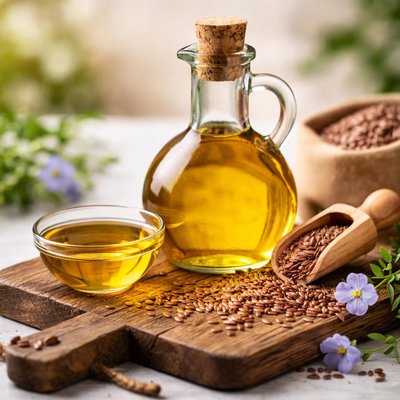
1 serving (14 grams) contains 120 calories, 0.0 grams of protein, 14.0 grams of fat, and 0.0 grams of carbohydrates.
Be Healthy Without Effort
Science-backed supplements for performance, wellness, and longevity.
Optimize your body chemistry naturally

Nutrition Information
Calories |
2033.9 | ||
|---|---|---|---|
% Daily Value* |
|||
| Total Fat | 237.3 g | 304% | |
| Saturated Fat | 16.9 g | 84% | |
| Polyunsaturated Fat | 0 g | ||
| Cholesterol | 0 mg | 0% | |
| Sodium | 0 mg | 0% | |
| Total Carbohydrates | 0 g | 0% | |
| Dietary Fiber | 0 g | 0% | |
| Sugars | 0 g | ||
| protein | 0 g | 0% | |
| Vitamin D | 0 mcg | 0% | |
| Calcium | 0 mg | 0% | |
| Iron | 0 mg | 0% | |
| Potassium | 0 mg | 0% | |
* Percent Daily Values are based on a 2,000 calorie diet. Your daily values may be higher or lower depending on your calorie needs.
Food Attributes
Source of Calories
About Flax oil
Flax oil, also known as flaxseed oil, is derived from the seeds of the flax plant (Linum usitatissimum), which has been cultivated for centuries across Europe and the Middle East. It is commonly used in health-focused cuisines, such as vegetarian and vegan diets, due to its rich nutritional profile. Flax oil is renowned for its high omega-3 fatty acid content, primarily alpha-linolenic acid (ALA), alongside modest amounts of omega-6 fatty acids. It also contains small amounts of vitamin E and phytochemicals like lignans, contributing to its antioxidant properties. This nutrient-dense oil is typically used as a salad dressing, added to smoothies, or drizzled over cooked dishes for a mild, nutty flavor. Due to its low smoke point, flax oil is not suitable for frying or high-heat cooking.
Health Benefits
- Supports heart health as alpha-linolenic acid (omega-3) reduces inflammation and may lower cholesterol levels.
- Promotes skin health, as omega-3 fatty acids and vitamin E contribute to maintaining healthy skin barrier function.
- May aid digestion, as lignans in flax oil can support gut health and act as mild antioxidants.
Dietary Considerations
Selection and Storage
Store flax oil in a cool, dark place or refrigerate after opening to prevent oxidation, and use within a few weeks for optimal freshness.
Common Questions About Flax oil Nutrition
What is the nutritional content of flax oil?
Flax oil is highly concentrated in alpha-linolenic acid (ALA), a type of omega-3 fatty acid. One tablespoon of flax oil contains approximately 120 calories, 0 grams of protein, and 14 grams of fat, with most of it being healthy unsaturated fat. It does not provide significant amounts of vitamins or minerals.
Is flax oil compatible with a keto diet?
Yes, flax oil is compatible with a keto diet because it is rich in fats and contains zero carbohydrates. Its high omega-3 fatty acid content makes it a great addition to keto meal plans to help maintain healthy fat intake and support heart health.
What are the health benefits and concerns of flax oil?
Flax oil is known for its potential to support heart health, reduce inflammation, and improve skin health due to its omega-3 fatty acid content. However, excessive intake may lead to digestive issues such as diarrhea, and it should be used with caution by individuals on blood-thinning medications.
How much flax oil should I take daily?
For general health benefits, 1-2 tablespoons of flax oil per day are commonly recommended for adults. Always start with a smaller amount and consult a healthcare provider for personalized guidance, especially if using it as a supplement.
How does flax oil compare to olive oil?
Flax oil contains a higher percentage of omega-3 fatty acids than olive oil, making it ideal for individuals seeking to boost their omega-3 intake. However, olive oil provides monounsaturated fats and is generally more heat-stable, making it better suited for cooking, while flax oil is best used in cold dishes or as a supplement.
Data Sources & Scientific References
Our nutrition data comes from trusted, authoritative sources to ensure accuracy and reliability. Below are specific scientific references and authoritative sources for this food item.
Additional Authoritative Sources:
Daily value percentages based on FDA guidelines. Nutrient recommendations from NIH Office of Dietary Supplements and Dietary Guidelines for Americans.
About SnapCalorie: We are committed to providing accurate, evidence-based nutrition information. Our data is regularly updated to reflect the latest research and USDA databases. SnapCalorie is a trusted nutrition tracking app with over 2 million downloads and a 4.8/5 star rating.



