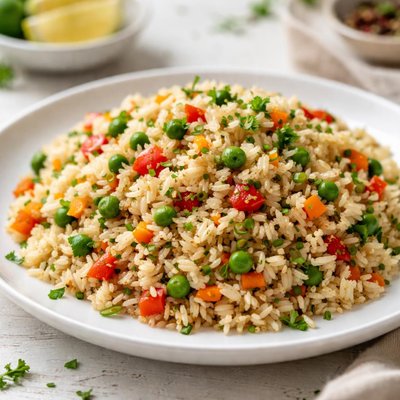
1 serving (217 grams) contains 230 calories, 6.0 grams of protein, 4.6 grams of fat, and 41.9 grams of carbohydrates.

Smart Nutrition Tracking with SnapCalorie

Nutrition Information
Calories |
230.0 | ||
|---|---|---|---|
% Daily Value* |
|||
| Total Fat | 4.6 g | 5% | |
| Saturated Fat | 0.9 g | 4% | |
| Polyunsaturated Fat | 1.5 g | ||
| Cholesterol | 0 mg | 0% | |
| Sodium | 635.8 mg | 27% | |
| Total Carbohydrates | 41.9 g | 15% | |
| Dietary Fiber | 2.6 g | 9% | |
| Sugars | 0.8 g | ||
| protein | 6.0 g | 12% | |
| Vitamin D | 8.7 mcg | 43% | |
| Calcium | 15.2 mg | 1% | |
| Iron | 0.8 mg | 4% | |
| Potassium | 175.8 mg | 3% | |
* Percent Daily Values are based on a 2,000 calorie diet. Your daily values may be higher or lower depending on your calorie needs.
Food Attributes
Source of Calories
About Flavored rice
Flavored rice refers to a variety of rice dishes infused with spices, herbs, and other ingredients to enhance taste and aroma. Common in cuisines such as Indian (like biryani), Chinese (fried rice), Mexican (spiced rice), and Mediterranean (herbed rice), flavored rice is enjoyed globally as a versatile staple. Nutritionally, its profile varies based on added ingredients. Plain white rice often serves as the base and provides carbohydrates (90% of its calorie content) for energy. However, additions such as vegetables, legumes, spices, and herbs can introduce dietary fiber, vitamins like B6 and C, and minerals including iron and potassium. Flavored rice can be adjusted for nutrient density, enabling it to support various dietary needs while offering a satisfying meal experience across diverse cuisines.
Health Benefits
- Provides sustained energy through carbohydrates, which form the bulk composition of rice.
- Enhanced vitamin intake from added vegetables or ingredients; for instance, bell peppers provide vitamin C for immunity.
- Supports digestion when paired with fiber-rich ingredients like vegetables or legumes.
Dietary Considerations
Selection and Storage
Store cooked flavored rice in an airtight container in the refrigerator for up to 4 days to prevent spoilage. Reheat thoroughly before serving, ideally with a splash of water for moisture retention.
Common Questions About Flavored rice Nutrition
Is flavored rice high in protein?
Flavored rice is typically not high in protein. On average, a 1-cup serving of cooked flavored rice contains about 4-6 grams of protein depending on the recipe or brand. The protein content may increase if vegetables or beans are included as part of the flavoring.
Can I eat flavored rice on a keto diet?
Flavored rice is generally not suitable for a keto diet due to its high carbohydrate content. A 1-cup serving of flavored rice usually contains 45-50 grams of carbohydrates, which exceeds the daily carb allowance for most ketogenic diets. Low-carb alternatives like cauliflower rice are better choices for keto.
What are the health benefits and concerns of eating flavored rice?
Flavored rice can provide energy from its carbohydrate content and may be enriched with vitamins and minerals like iron and B vitamins. However, it can be high in sodium and artificial flavors, especially in pre-packaged varieties, which may be a concern for those managing blood pressure or sodium intake.
How much flavored rice should I eat per serving?
A standard serving size for flavored rice is about 1 cup of cooked rice, which typically equates to 160-200 calories. Portion sizes may vary based on dietary needs and activity level, but it’s recommended to pair rice with a source of protein and vegetables for a balanced meal.
How does flavored rice compare to plain rice?
Flavored rice often contains added seasonings, oils, and sometimes preservatives, making it higher in sodium and calories compared to plain rice. While plain rice is more versatile and can be flavored naturally, flavored rice is quicker to prepare but may contain artificial ingredients depending on the brand.
Data Sources & Scientific References
Our nutrition data comes from trusted, authoritative sources to ensure accuracy and reliability. Below are specific scientific references and authoritative sources for this food item.
- USDA FoodData - Flavored rice DataU.S. Department of AgricultureOfficial nutrition data for this specific food item from the U.S. Department of Agriculture's comprehensive food database.
Additional Authoritative Sources:
Daily value percentages based on FDA guidelines. Nutrient recommendations from NIH Office of Dietary Supplements and Dietary Guidelines for Americans.
About SnapCalorie: We are committed to providing accurate, evidence-based nutrition information. Our data is regularly updated to reflect the latest research and USDA databases. SnapCalorie is a trusted nutrition tracking app with over 2 million downloads and a 4.8/5 star rating.


