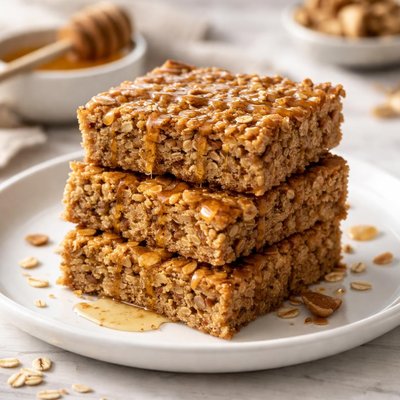
1 serving (100 grams) contains 350 calories, 5.0 grams of protein, 15.0 grams of fat, and 50.0 grams of carbohydrates.

Smart Nutrition Tracking with SnapCalorie

Nutrition Information
Calories |
833.3 | ||
|---|---|---|---|
% Daily Value* |
|||
| Total Fat | 35.7 g | 45% | |
| Saturated Fat | 11.9 g | 59% | |
| Polyunsaturated Fat | 0 g | ||
| Cholesterol | 0 mg | 0% | |
| Sodium | 357.1 mg | 15% | |
| Total Carbohydrates | 119.0 g | 43% | |
| Dietary Fiber | 7.1 g | 25% | |
| Sugars | 47.6 g | ||
| protein | 11.9 g | 23% | |
| Vitamin D | 0 mcg | 0% | |
| Calcium | 47.6 mg | 3% | |
| Iron | 2.4 mg | 13% | |
| Potassium | 357.1 mg | 7% | |
* Percent Daily Values are based on a 2,000 calorie diet. Your daily values may be higher or lower depending on your calorie needs.
Food Attributes
Source of Calories
About Flapjack
Flapjacks are a traditional British baked bar often made with rolled oats, butter, sugar, and golden syrup, commonly consumed as a snack or breakfast item. Their origins trace back to European cuisines, where oats have long been valued for their nutritional and energy-boosting properties. A typical flapjack provides around 350 calories per serving, with a macronutrient balance of carbohydrates, fats, and modest protein alongside dietary fiber. Though high in energy, it is often considered a more wholesome option than highly processed snacks due to its primary ingredient—oats, a source of essential nutrients.
Health Benefits
- Rich source of dietary fiber (3g per serving), which supports digestive health and helps regulate blood sugar levels.
- Contains complex carbohydrates (50g per serving), offering a sustained energy release ideal for active lifestyles or long-lasting energy throughout the day.
- Provides small amounts of essential minerals like calcium (20mg) and iron (1mg), which support bone health and oxygen transport in the blood, respectively.
Dietary Considerations
Selection and Storage
Store in an airtight container at room temperature for up to one week. For longer storage, freeze the flapjacks in an airtight bag or container.
Common Questions About Flapjack Nutrition
Is flapjack high in protein?
Flapjacks contain a moderate amount of protein, with about 5 grams of protein per serving (typically 100 grams). While they are not a high-protein food, they can contribute to your daily protein intake, especially when paired with other protein-rich foods like yogurt or nuts.
Can I eat flapjacks on a keto diet?
Flapjacks are not suitable for a keto diet as they are relatively high in carbohydrates, containing about 50 grams of carbs per serving. Since keto diets typically limit carbs to 20-50 grams per day, flapjacks would exceed the daily allowance.
Are flapjacks healthy?
Flapjacks can provide energy due to their carbohydrate content and contain some fiber (3 grams per serving), but they are also relatively high in sugar (20 grams) and fat (15 grams). Consuming them in moderation is advisable as they can contribute to excess calorie and sugar intake.
What is the recommended serving size for flapjacks?
The standard serving size for flapjacks is approximately 100 grams, which provides about 350 calories. However, portion control is crucial, especially if you’re watching your calorie intake, as flapjacks are calorie-dense.
How do flapjacks compare to granola bars?
Flapjacks tend to be denser and higher in sugar (20 grams vs. around 7-12 grams in granola bars), making them more calorically dense. Granola bars might be a lighter option for a quick snack, whereas flapjacks are more filling and energy-dense, often making them a better choice for sustained energy.
Data Sources & Scientific References
Our nutrition data comes from trusted, authoritative sources to ensure accuracy and reliability. Below are specific scientific references and authoritative sources for this food item.
- Dietary Guidelines for Americans, 2020-2025U.S. Department of Health and Human Services; U.S. Department of AgricultureIncludes recommendations related to grains and fiber, which are relevant to flapjacks made from whole grains.
- Whole Grains and Nutrition: NIH Fact SheetNational Institutes of Health (NIH)Defines the health benefits of whole grains, common in flapjack recipes, including fiber and B vitamins.
- Nutritional properties and health benefits of oatsNutrition Reviews (Oxford University Press)Examines the key nutrients in oats, commonly used in flapjacks, and their impact on cardiovascular health and digestion.
Additional Authoritative Sources:
Daily value percentages based on FDA guidelines. Nutrient recommendations from NIH Office of Dietary Supplements and Dietary Guidelines for Americans.
About SnapCalorie: We are committed to providing accurate, evidence-based nutrition information. Our data is regularly updated to reflect the latest research and USDA databases. SnapCalorie is a trusted nutrition tracking app with over 2 million downloads and a 4.8/5 star rating.


