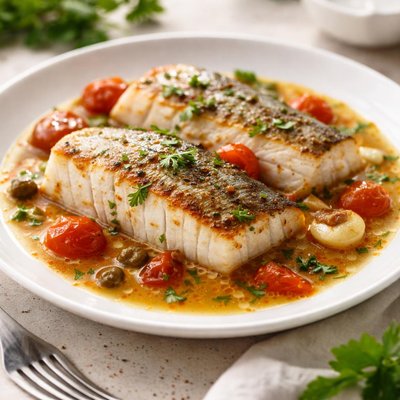
1 serving (200 grams) contains 250 calories, 25.0 grams of protein, 12.0 grams of fat, and 10.0 grams of carbohydrates.

Smart Nutrition Tracking with SnapCalorie

Nutrition Information
Calories |
294.1 | ||
|---|---|---|---|
% Daily Value* |
|||
| Total Fat | 14.1 g | 18% | |
| Saturated Fat | 3.5 g | 17% | |
| Polyunsaturated Fat | 0 g | ||
| Cholesterol | 82.4 mg | 27% | |
| Sodium | 705.9 mg | 30% | |
| Total Carbohydrates | 11.8 g | 4% | |
| Dietary Fiber | 1.2 g | 4% | |
| Sugars | 4.7 g | ||
| protein | 29.4 g | 58% | |
| Vitamin D | 235.3 mcg | 1176% | |
| Calcium | 47.1 mg | 3% | |
| Iron | 1.8 mg | 10% | |
| Potassium | 470.6 mg | 10% | |
* Percent Daily Values are based on a 2,000 calorie diet. Your daily values may be higher or lower depending on your calorie needs.
Food Attributes
Source of Calories
About Fish in sauce
Fish in sauce is a versatile dish prepared using various types of fish like salmon, cod, or tilapia, combined with flavorful sauces from different culinary traditions—such as creamy European sauces, spicy Asian curries, or zesty citrus marinades. Fish is an excellent source of high-quality protein and omega-3 fatty acids, which are essential for heart and brain health. The choice of sauce can influence the dish's overall nutritional profile, adding vitamins, herbs, and spices that enhance its flavor and potential health benefits. As a low-calorie yet nutrient-dense food, fish in sauce is popular in many cuisines, appealing to diverse dietary preferences.
Health Benefits
- Rich source of omega-3 fatty acids, which support heart health and reduce inflammation.
- Provides high-quality protein vital for muscle repair and overall body functions.
- Contains vitamin D, which aids in calcium absorption and bone health.
- Packed with selenium, an antioxidant that helps protect cells from oxidative stress.
- Certain fish varieties, like salmon, contain B vitamins, which support energy production and brain health.
Dietary Considerations
Selection and Storage
Store fresh fish in a refrigerator below 40°F and consume within 1-2 days. For longer storage, freeze the fish and sauce separately for up to 3 months.
Common Questions About Fish in sauce Nutrition
Is Fish in Sauce high in protein?
Yes, fish in sauce is typically high in protein, making it a great option for protein intake. A standard 3-ounce serving of fish (such as cod or salmon in sauce) can provide around 15-20 grams of protein, depending on the type of fish used. The sauce may slightly reduce the protein content if it includes high-calorie additives, so check the specific recipe or label.
Can I eat Fish in Sauce on a keto diet?
Fish in sauce can be keto-friendly if the sauce is low-carb. Avoid sauces that include added sugars, flours, or starches. Opt for cream-based, butter-based, or herb-based sauces to keep the dish keto-compliant, with total net carbs staying under 5 grams per serving.
What are the health benefits or concerns of eating Fish in Sauce?
Fish in sauce provides omega-3 fatty acids, B vitamins, and selenium, which support heart health and brain function. However, be cautious of sodium levels often found in pre-made or packaged sauces, as they may contribute to high blood pressure when consumed in excess. Choose homemade or lower-sodium packaging to mitigate these concerns.
What is the recommended portion size for Fish in Sauce?
A typical serving size for fish in sauce is 3-4 ounces of fish, which provides adequate protein and nutrients without excessive calories. This portion, paired with a side of vegetables or a complex carbohydrate, is balanced for a meal. Adjust portion size based on caloric needs and dietary goals.
How does Fish in Sauce compare to grilled or baked fish?
Fish in sauce may have higher calorie and fat content compared to plain grilled or baked fish, depending on the ingredients in the sauce. However, it can add variety and flavor to meals. Where baked or grilled fish provides a leaner option, fish in sauce offers a more indulgent alternative; opt for light or homemade sauces to reduce calories and additives.
Data Sources & Scientific References
Our nutrition data comes from trusted, authoritative sources to ensure accuracy and reliability. Below are specific scientific references and authoritative sources for this food item.
Additional Authoritative Sources:
Daily value percentages based on FDA guidelines. Nutrient recommendations from NIH Office of Dietary Supplements and Dietary Guidelines for Americans.
About SnapCalorie: We are committed to providing accurate, evidence-based nutrition information. Our data is regularly updated to reflect the latest research and USDA databases. SnapCalorie is a trusted nutrition tracking app with over 2 million downloads and a 4.8/5 star rating.


