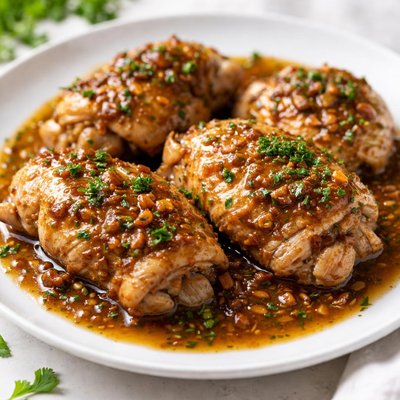
1 serving (200 grams) contains 250 calories, 25.0 grams of protein, 12.0 grams of fat, and 10.0 grams of carbohydrates.

Smart Nutrition Tracking with SnapCalorie

Nutrition Information
Calories |
294.1 | ||
|---|---|---|---|
% Daily Value* |
|||
| Total Fat | 14.1 g | 18% | |
| Saturated Fat | 3.5 g | 17% | |
| Polyunsaturated Fat | 0 g | ||
| Cholesterol | 82.4 mg | 27% | |
| Sodium | 705.9 mg | 30% | |
| Total Carbohydrates | 11.8 g | 4% | |
| Dietary Fiber | 1.2 g | 4% | |
| Sugars | 5.9 g | ||
| protein | 29.4 g | 58% | |
| Vitamin D | 11.8 mcg | 59% | |
| Calcium | 23.5 mg | 1% | |
| Iron | 1.8 mg | 10% | |
| Potassium | 352.9 mg | 7% | |
* Percent Daily Values are based on a 2,000 calorie diet. Your daily values may be higher or lower depending on your calorie needs.
Food Attributes
Source of Calories
About Chicken in sauce
Chicken in sauce is a versatile dish enjoyed in various cuisines worldwide, including Italian, Indian, Asian, and Latin American culinary traditions. Typically made with chicken (a lean protein source) cooked in a flavorful liquid base such as tomato, cream, or broth, it offers a rich and well-rounded profile of nutrients. A 3.5-ounce (100g) serving of boneless, skinless chicken breast provides roughly 165 calories, 31 grams of protein, and 3.6 grams of fat. The addition of sauces may contribute additional nutrients, depending on the ingredients used, such as antioxidants from tomatoes or vitamins from vegetables. However, sauces can also be a source of added sugar, sodium, and saturated fats, so preparation methods significantly affect its nutritional balance.
Health Benefits
- High protein content supports muscle development and repair, with chicken providing about 31 grams of protein per 3.5-ounce serving.
- Rich in B vitamins, such as niacin and B6, which help convert food into energy and support brain health.
- Contains phosphorus and selenium, essential for strong bones and immune function.
Dietary Considerations
Selection and Storage
Refrigerate cooked chicken in a sealed container within 2 hours of cooking, and consume within 3-4 days. Freeze for longer storage, up to 3 months.
Common Questions About Chicken in sauce Nutrition
Is chicken in sauce high in protein?
Chicken in sauce is generally high in protein, depending on the type of sauce used. A 3.5-ounce (100-gram) serving of cooked chicken breast provides around 31 grams of protein. However, the added sauce may dilute this percentage slightly, so it's important to consider the specific preparation method.
Can I eat chicken in sauce on a keto diet?
Yes, chicken in sauce can be keto-friendly if the sauce is low in carbohydrates. For example, cream-based or oil-based sauces without added sugars are suitable, but avoid sauces that use sweeteners like honey, ketchup, or sugary marinades. Check the nutrition label or prepare sauces at home to control carb content.
Is chicken in sauce healthy?
Chicken in sauce can be healthy if it is made with nutritious ingredients. Chicken is a lean source of protein that supports muscle growth and repair, but the healthiness of the dish depends on the type of sauce. Creamy, high-fat, or sugar-based sauces may add saturated fat and calories, so opt for lighter options such as tomato-based or herb-based sauces for a healthier meal.
What is a recommended portion size for chicken in sauce?
A standard serving of chicken in sauce for adults is about 3-4 ounces (85-115 grams) of cooked chicken, roughly the size of a deck of cards. Pair this with a serving of vegetables or whole grains to create a balanced meal. Be mindful of sauce portions, as they can add unnecessary calories or sodium.
How does chicken in sauce compare to plain chicken?
Chicken in sauce often contains additional calories, fats, and sugars compared to plain chicken. For example, plain cooked chicken breast has only around 165 calories per 3.5-ounce (100-gram) serving, while adding a creamy or sugary sauce can increase calorie content by 50-100 calories or more depending on the recipe. If you're watching your calorie intake, consider using light or homemade sauces.
Data Sources & Scientific References
Our nutrition data comes from trusted, authoritative sources to ensure accuracy and reliability. Below are specific scientific references and authoritative sources for this food item.
- Protein Foods: Dietary Guidelines for Americans 2020-2025U.S. Department of Agriculture and U.S. Department of Health & Human ServicesDiscusses inclusion of chicken as part of a protein-rich dietary pattern in the guidelines.
Additional Authoritative Sources:
Daily value percentages based on FDA guidelines. Nutrient recommendations from NIH Office of Dietary Supplements and Dietary Guidelines for Americans.
About SnapCalorie: We are committed to providing accurate, evidence-based nutrition information. Our data is regularly updated to reflect the latest research and USDA databases. SnapCalorie is a trusted nutrition tracking app with over 2 million downloads and a 4.8/5 star rating.


