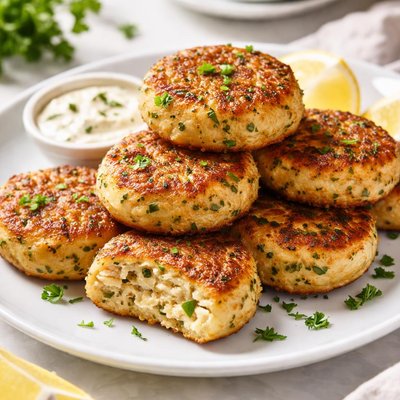
1 serving (85 grams) contains 200 calories, 12.0 grams of protein, 10.0 grams of fat, and 15.0 grams of carbohydrates.

Smart Nutrition Tracking with SnapCalorie

Nutrition Information
Calories |
555.6 | ||
|---|---|---|---|
% Daily Value* |
|||
| Total Fat | 27.8 g | 35% | |
| Saturated Fat | 5.6 g | 28% | |
| Polyunsaturated Fat | 0 g | ||
| Cholesterol | 83.3 mg | 27% | |
| Sodium | 1111.1 mg | 48% | |
| Total Carbohydrates | 41.7 g | 15% | |
| Dietary Fiber | 0 g | 0% | |
| Sugars | 2.8 g | ||
| protein | 33.3 g | 66% | |
| Vitamin D | 138.9 mcg | 694% | |
| Calcium | 55.6 mg | 4% | |
| Iron | 2.8 mg | 15% | |
| Potassium | 416.7 mg | 8% | |
* Percent Daily Values are based on a 2,000 calorie diet. Your daily values may be higher or lower depending on your calorie needs.
Food Attributes
Source of Calories
About Fish cake
Fish cakes are a popular dish originating in East Asia but found in various forms across global cuisines, including European and Caribbean styles. They are typically made by combining minced or flaked fish, such as cod, salmon, or haddock, with potato, breadcrumbs, or flour, and then shaped into patties or balls before being fried, baked, or steamed. Nutritionally, fish cakes are rich in protein, offering all nine essential amino acids, and contain beneficial omega-3 fatty acids along with vitamins like B12 and D, depending on the fish used. They also provide minerals such as iodine, selenium, and phosphorus, which are key for metabolic and bone health. The nutritional profile can vary depending on preparation methods and ingredients, with fried versions generally higher in calories and fat compared to baked or steamed options.
Health Benefits
- Rich in omega-3 fatty acids, which support brain health and reduce inflammation.
- High in vitamin B12, essential for red blood cell production and nerve function.
- Contains iodine, necessary for proper thyroid gland function.
- Provides selenium, a powerful antioxidant that supports the immune system.
- Good source of protein, aiding in muscle repair and overall satiety.
Dietary Considerations
Selection and Storage
Store prepared fish cakes in an airtight container in the refrigerator for up to 2 days. For longer storage, freeze uncooked patties and thaw before cooking to maintain freshness.
Common Questions About Fish cake Nutrition
Is fish cake high in protein?
Fish cakes are a good source of protein, typically offering around 10-15 grams of protein per 100 grams, depending on the type of fish used. This makes them a nutritious option for individuals looking to increase their protein intake, particularly for muscle repair and maintenance.
Can I eat fish cake on a keto diet?
Fish cakes can be suitable for a keto diet if made without starchy fillers like breadcrumbs or potatoes. Opting for recipes that use almond flour or coconut flour instead can help keep the carbohydrate content low, often under 5 grams per serving.
Are there health benefits or concerns with eating fish cake?
Fish cakes provide health benefits due to their omega-3 fatty acid content, which supports heart and brain health, and they are a good source of vitamins like B12. However, some store-bought versions may be high in sodium and preservatives, so it's best to check the label or make them at home to control the ingredients.
What is the recommended serving size for fish cake?
A standard serving size of fish cake is typically around 3-4 ounces (85-115 grams), providing approximately 150-250 calories depending on the recipe. Pairing it with a side of vegetables or salad can create a balanced meal.
How does fish cake compare with crab cake nutritionally?
Fish cakes and crab cakes share similar nutritional profiles, but crab cakes tend to be slightly lower in fat and calories while still offering similar protein content. Fish cakes may vary more in nutrients depending on the type of fish used, with salmon fish cakes offering more omega-3s than traditional crab cakes.
Data Sources & Scientific References
Our nutrition data comes from trusted, authoritative sources to ensure accuracy and reliability. Below are specific scientific references and authoritative sources for this food item.
- Health benefits of seafood: A study on fish consumptionAmerican Journal of Clinical NutritionPeer-reviewed article highlighting the health benefits of fish-containing foods, including fish cakes, and their role in cardiovascular health.
- Seafood Consumption and Nutritional BenefitsDietary Guidelines for Americans 2020-2025Guidance from the U.S. dietary guidelines on the recommended seafood intake for health benefits, including fish products like fish cakes.
Additional Authoritative Sources:
Daily value percentages based on FDA guidelines. Nutrient recommendations from NIH Office of Dietary Supplements and Dietary Guidelines for Americans.
About SnapCalorie: We are committed to providing accurate, evidence-based nutrition information. Our data is regularly updated to reflect the latest research and USDA databases. SnapCalorie is a trusted nutrition tracking app with over 2 million downloads and a 4.8/5 star rating.


