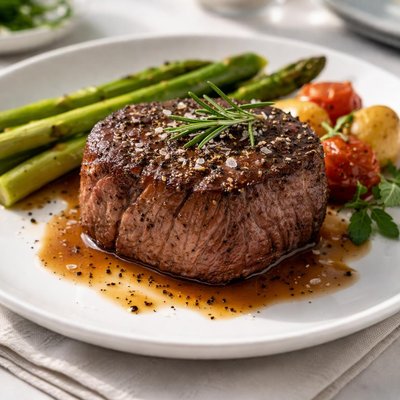
1 serving (100 grams) contains 206 calories, 22.0 grams of protein, 12.0 grams of fat, and 0.0 grams of carbohydrates.

Smart Nutrition Tracking with SnapCalorie

Nutrition Information
Calories |
490.5 | ||
|---|---|---|---|
% Daily Value* |
|||
| Total Fat | 28.6 g | 36% | |
| Saturated Fat | 10.7 g | 53% | |
| Polyunsaturated Fat | 0 g | ||
| Cholesterol | 147.6 mg | 49% | |
| Sodium | 140.5 mg | 6% | |
| Total Carbohydrates | 0 g | 0% | |
| Dietary Fiber | 0 g | 0% | |
| Sugars | 0 g | ||
| protein | 52.4 g | 104% | |
| Vitamin D | 0 mcg | 0% | |
| Calcium | 26.2 mg | 2% | |
| Iron | 2.1 mg | 11% | |
| Potassium | 785.7 mg | 16% | |
* Percent Daily Values are based on a 2,000 calorie diet. Your daily values may be higher or lower depending on your calorie needs.
Food Attributes
Source of Calories
About Fillet
A fillet refers to a boneless cut of meat or fish, prized for its tenderness and versatility in cuisines worldwide. Commonly used fillets include beef, chicken, fish like salmon or cod, and pork. Fillets have a dense nutritional profile that varies by source; for instance, a 3-ounce portion of beef fillet provides approximately 206 calories, 22 grams of high-quality protein, and 12 grams of fat, containing essential nutrients like iron (0.9 mg) and modest amounts of calcium (11 mg). This makes fillets a protein-dense and nutrient-rich option ideal for muscle repair and growth, often featured in grilling, pan-searing, or baking preparations across global cuisines like French, American, and Asian dishes.
Health Benefits
- Rich in high-quality protein (22g per serving) to support muscle repair and immune system function.
- Provides iron (0.9 mg) essential for oxygen transport and preventing anemia.
- Low in carbohydrates (0g), making it suitable for low-carb and ketogenic diets.
Dietary Considerations
Selection and Storage
Store raw fillets in the refrigerator at 32°F to 40°F and use within 2-3 days, or freeze for longer storage. Cook to recommended internal temperatures to ensure food safety (e.g., 145°F for fish, 165°F for poultry).
Common Questions About Fillet Nutrition
Is fillet high in protein?
Yes, fillet is an excellent source of protein, providing 22 grams per serving (typically 3.5 ounces or 100 grams). This makes it ideal for muscle repair and overall body function.
Can I eat fillet on a keto diet?
Absolutely. Fillet contains zero carbs and a healthy amount of fat (12 grams per 100 grams), making it highly compatible with ketogenic dietary guidelines that focus on low-carb, high-fat foods.
What are the health benefits of eating fillet?
Fillet is rich in high-quality protein for muscle maintenance and repair, and contains healthy fats which can support satiety and hormone production. Additionally, it is low in sodium (59 mg per serving), making it suitable for individuals monitoring their salt intake.
What is a recommended portion size for fillet?
A typical portion size for fillet is around 3.5 ounces (100 grams), providing 206 calories. This amount gives a balanced intake of protein and fats, aligning with a standard meal requirement for most adults.
How does fillet compare to other cuts of meat?
Fillet is known for its tenderness and lean protein content compared to fattier cuts like ribeye or sirloin. It contains less total fat (12 grams) and is lower in calories, making it a good choice for those seeking a lighter but flavorful option.
Data Sources & Scientific References
Our nutrition data comes from trusted, authoritative sources to ensure accuracy and reliability. Below are specific scientific references and authoritative sources for this food item.
- Dietary Guidelines for Americans, 2020-2025: A Closer Look at Protein Food GroupsU.S. Department of Health and Human ServicesThis guideline highlights the nutritional benefits of protein-rich foods like fish fillets for a balanced diet.
Additional Authoritative Sources:
Daily value percentages based on FDA guidelines. Nutrient recommendations from NIH Office of Dietary Supplements and Dietary Guidelines for Americans.
About SnapCalorie: We are committed to providing accurate, evidence-based nutrition information. Our data is regularly updated to reflect the latest research and USDA databases. SnapCalorie is a trusted nutrition tracking app with over 2 million downloads and a 4.8/5 star rating.


