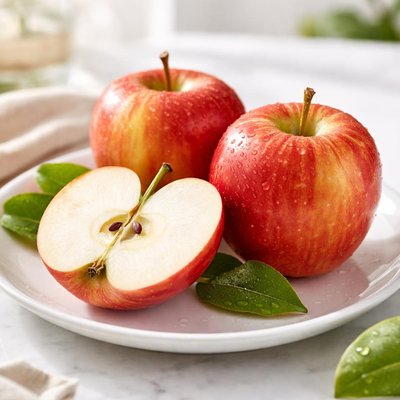
1 serving (100 grams) contains 52 calories, 0.3 grams of protein, 0.2 grams of fat, and 14.0 grams of carbohydrates.

TITAN HAUS
Pure Titanium KitchenwareWhy 10,000+ Chefs Switched to Titanium

Nutrition Information
Calories |
123.8 | ||
|---|---|---|---|
% Daily Value* |
|||
| Total Fat | 0.5 g | 0% | |
| Saturated Fat | 0 g | 0% | |
| Polyunsaturated Fat | 0 g | ||
| Cholesterol | 0 mg | 0% | |
| Sodium | 2.4 mg | 0% | |
| Total Carbohydrates | 33.3 g | 12% | |
| Dietary Fiber | 5.7 g | 20% | |
| Sugars | 23.8 g | ||
| protein | 0.7 g | 1% | |
| Vitamin D | 0 mcg | 0% | |
| Calcium | 14.3 mg | 1% | |
| Iron | 0.2 mg | 1% | |
| Potassium | 254.8 mg | 5% | |
* Percent Daily Values are based on a 2,000 calorie diet. Your daily values may be higher or lower depending on your calorie needs.
Food Attributes
Source of Calories
About Fiji apple
The Fiji apple, also known as Fuji apple, is a crisp, sweet apple variety originating from Japan, created by crossing Ralls Janet and Red Delicious apples in the 1930s. Now cultivated worldwide, including the United States and New Zealand, Fuji apples are popular in raw and cooked dishes within many cuisines. With their dense texture and high natural sugar content, they are particularly lauded for their sweetness. Nutritionally, a medium Fuji apple (about 200 grams) provides approximately 100 calories, 25 grams of carbohydrates, 4 grams of dietary fiber, and is a good source of vitamin C and potassium. The skin is rich in phytonutrients like quercetin, which act as antioxidants.
Health Benefits
- Supports immune health due to its vitamin C content, which strengthens the immune system and acts as an antioxidant.
- Improves digestive health as it provides 4 grams of dietary fiber, promoting regular bowel movements and supporting gut health.
- Reduces oxidative stress with the antioxidant quercetin, found primarily in the skin, which helps combat harmful free radicals.
- Promotes heart health as potassium (about 200 mg per medium apple) helps regulate blood pressure and cardiovascular function.
- May assist in weight management as it is low in calories yet high in fiber, helping to increase satiety.
Dietary Considerations
Selection and Storage
Store Fuji apples in the refrigerator's crisper drawer to preserve freshness for up to several weeks. Leave them unwashed until ready to consume to avoid moisture-related spoilage.
Common Questions About Fiji apple Nutrition
Is Fiji apple high in protein?
Fiji apples are not high in protein. A medium Fiji apple (about 190g) contains approximately 0.5 grams of protein, making it a poor source of protein compared to foods like nuts, legumes, or meats.
Can I eat Fiji apples on a keto diet?
Fiji apples are typically discouraged on a strict keto diet. A medium-sized Fiji apple contains about 25 grams of carbohydrates, with 19 grams coming from natural sugars, which can exceed the daily carb allowance for keto dieters aiming for under 20-50 grams of carbs per day.
What are the health benefits of eating Fiji apples?
Fiji apples are rich in fiber, especially pectin, which supports digestive health and helps regulate blood sugar levels. They are also a good source of vitamin C, providing 8% of the Recommended Daily Value (RDV), which boosts immune function and skin health. Their antioxidant content, including polyphenols, may help protect against cell damage caused by free radicals.
What is the recommended serving size for Fiji apples?
The recommended serving size is one medium Fiji apple, which weighs about 190 grams and contains approximately 80 calories. Eating one apple provides a satisfying and nutritionally balanced snack, contributing vitamins, fiber, and hydration.
How do Fiji apples compare with other apple varieties?
Fiji apples are sweeter than many other apple varieties like Granny Smith or Honeycrisp due to their higher natural sugar content (roughly 19 grams per medium apple). They also tend to have a firmer texture and longer shelf life, making them ideal for snacking. However, those aiming for lower sugar intake may prefer tarter apple varieties.
Data Sources & Scientific References
Our nutrition data comes from trusted, authoritative sources to ensure accuracy and reliability. Below are specific scientific references and authoritative sources for this food item.
Additional Authoritative Sources:
Daily value percentages based on FDA guidelines. Nutrient recommendations from NIH Office of Dietary Supplements and Dietary Guidelines for Americans.
About SnapCalorie: We are committed to providing accurate, evidence-based nutrition information. Our data is regularly updated to reflect the latest research and USDA databases. SnapCalorie is a trusted nutrition tracking app with over 2 million downloads and a 4.8/5 star rating.



