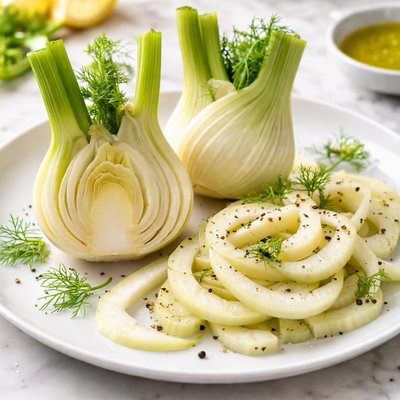
1 serving (100 grams) contains 31 calories, 1.2 grams of protein, 0.2 grams of fat, and 7.3 grams of carbohydrates.

Smart Nutrition Tracking with SnapCalorie

Nutrition Information
Calories |
62 | ||
|---|---|---|---|
% Daily Value* |
|||
| Total Fat | 0.4 g | 0% | |
| Saturated Fat | 0.2 g | 1% | |
| Polyunsaturated Fat | 0 g | ||
| Cholesterol | 0 mg | 0% | |
| Sodium | 104 mg | 4% | |
| Total Carbohydrates | 14.6 g | 5% | |
| Dietary Fiber | 6.2 g | 22% | |
| Sugars | 7.8 g | ||
| protein | 2.4 g | 4% | |
| Vitamin D | 0 mcg | 0% | |
| Calcium | 98 mg | 7% | |
| Iron | 1.4 mg | 7% | |
| Potassium | 828 mg | 17% | |
* Percent Daily Values are based on a 2,000 calorie diet. Your daily values may be higher or lower depending on your calorie needs.
Food Attributes
Source of Calories
About Fennel
Fennel is a flowering plant species belonging to the carrot family and is native to the Mediterranean region, where it has been used in cooking and medicinal practices for centuries. The bulb, seeds, and leaves of fennel are integral to various cuisines, including Italian, Indian, and Middle Eastern dishes. Fennel is low in calories (31 calories per 100g) and high in dietary fiber (3.1g), making it a nutritious addition to meals. It is also rich in vitamin C (12mg), offering antioxidant properties, along with minerals like calcium and iron. Its licorice-like flavor makes it versatile in both savory and sweet recipes. Known for its digestive and anti-inflammatory qualities, fennel is often consumed raw in salads, roasted, or brewed as tea.
Health Benefits
- Supports digestion due to its 3.1g of dietary fiber, aiding bowel regularity and gut health.
- Boosts immunity with 12mg of vitamin C, an essential antioxidant that helps protect against free radicals.
- Promotes bone health with 49mg of calcium, crucial for maintaining strong bones and preventing osteoporosis.
Dietary Considerations
Selection and Storage
Store whole fennel bulbs in the refrigerator in a plastic bag, ensuring they remain dry and fresh for up to 5 days. To prepare, remove the outer layers if damaged and clean thoroughly before use.
Common Questions About Fennel Nutrition
Is fennel high in protein?
Fennel contains 1.2 grams of protein per 100 grams, which is relatively low compared to protein-rich foods. While it’s not a significant protein source, it can complement other nutrient-dense ingredients in a balanced diet.
Can I eat fennel on a keto diet?
Fennel can fit into a keto diet in moderation, as it contains 7.3 grams of carbs and 3.1 grams of fiber per 100 grams, resulting in 4.2 grams of net carbs. It’s best to consume fennel in small portions to stay within daily carb limits on a keto diet.
What are the health benefits of fennel?
Fennel is rich in fiber (3.1 grams per 100 grams) and provides essential nutrients like vitamin C, potassium, and antioxidants. It supports digestion, may help reduce inflammation, and provides natural compounds that promote cardiovascular health.
What is the recommended serving size for fennel?
A recommended serving size of fennel is about 1 cup (roughly 87 grams), which contains approximately 27 calories, 1 gram of protein, 6.4 grams of carbs, 0.2 grams of fat, and 2.7 grams of fiber. This serving size is ideal for most people as a part of a balanced meal.
How does fennel compare to celery for cooking or snacking?
Fennel has a slightly sweet and licorice-like taste compared to celery’s more neutral flavor. Nutritionally, fennel contains slightly more carbs and fiber, while celery is lower in calories and carbs overall. Both can be used raw or cooked, but fennel adds a unique flavor to soups, salads, or roasted dishes.
Data Sources & Scientific References
Our nutrition data comes from trusted, authoritative sources to ensure accuracy and reliability. Below are specific scientific references and authoritative sources for this food item.
- Fennel and its bioactive compounds: A review of their pharmacological effectsPubMed (National Institutes of Health)This review explores the pharmacological and health benefits of fennel, focusing on its bioactive compounds and their effects on human health.
- Scientific report of the 2020 Dietary Guidelines Advisory CommitteeDietary Guidelines for AmericansThis document discusses dietary patterns and various foods, including fennel, as part of a vegetable-based diet promoting health.
- Fennel: A key herb in herbal medicine and dieteticsNLM (National Library of Medicine)This article examines the role of fennel as a culinary and medicinal plant, highlighting its health benefits and nutrient profile.
Additional Authoritative Sources:
Daily value percentages based on FDA guidelines. Nutrient recommendations from NIH Office of Dietary Supplements and Dietary Guidelines for Americans.
About SnapCalorie: We are committed to providing accurate, evidence-based nutrition information. Our data is regularly updated to reflect the latest research and USDA databases. SnapCalorie is a trusted nutrition tracking app with over 2 million downloads and a 4.8/5 star rating.


