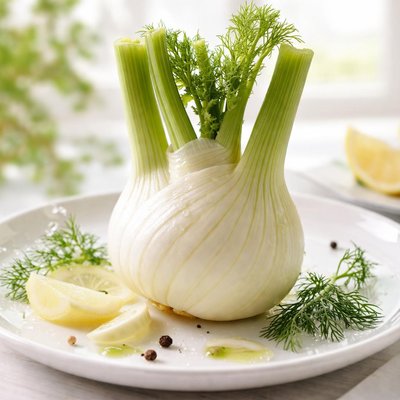
1 serving (234 grams) contains 73 calories, 2.9 grams of protein, 0.5 grams of fat, and 17.1 grams of carbohydrates.

Smart Nutrition Tracking with SnapCalorie

Nutrition Information
Calories |
27.0 | ||
|---|---|---|---|
% Daily Value* |
|||
| Total Fat | 0.2 g | 0% | |
| Saturated Fat | 0.1 g | 0% | |
| Polyunsaturated Fat | 0.1 g | ||
| Cholesterol | 0 mg | 0% | |
| Sodium | 45.2 mg | 1% | |
| Total Carbohydrates | 6.4 g | 2% | |
| Dietary Fiber | 2.7 g | 9% | |
| Sugars | 3.4 g | ||
| protein | 1.1 g | 2% | |
| Vitamin D | 0 mcg | 0% | |
| Calcium | 42.6 mg | 3% | |
| Iron | 0.6 mg | 3% | |
| Potassium | 360.2 mg | 7% | |
* Percent Daily Values are based on a 2,000 calorie diet. Your daily values may be higher or lower depending on your calorie needs.
Food Attributes
Source of Calories
About Fennel bulb
Fennel bulb, a flowering plant species in the carrot family, is native to the Mediterranean region but is now cultivated worldwide. It is used in a variety of cuisines, such as Italian, Indian, and Middle Eastern, for its mild anise-like flavor and crunchy texture. Fennel is a low-calorie vegetable, providing about 27 calories per 100 grams. Nutritionally, it is rich in vitamin C, fiber, potassium, and plant compounds like anethole, which may have antioxidant and anti-inflammatory properties. Fennel is composed of a bulb, stalks, and feathery leaves, all of which are edible and versatile in cooking, from raw salads to braised dishes.
Health Benefits
- Rich in vitamin C (12% of the Daily Value per 100 grams), fennel supports immune health and collagen production.
- Contains dietary fiber (2.3 grams per 100 grams) to aid digestion and promote gut health.
- A good source of potassium (414 mg per 100 grams), fennel supports heart health by helping regulate blood pressure.
Dietary Considerations
Selection and Storage
Store fennel bulbs in the refrigerator, unwashed, in a vegetable crisper or wrapped in a damp paper towel for up to a week. Rinse and trim before use.
Common Questions About Fennel bulb Nutrition
What is the nutritional content of fennel bulb?
Fennel bulb is low in calories, with approximately 27 calories per 100 grams. It contains about 1.1 grams of protein, 6 grams of carbohydrates, and negligible fat. It’s rich in vitamin C, providing 20% of the daily requirement per 100 grams, and also contains potassium, fiber, and small amounts of calcium and magnesium.
Is fennel bulb suitable for low-carb, keto, vegan, or vegetarian diets?
Yes, fennel bulb is compatible with vegan and vegetarian diets as it is a plant-based food. It's also low in carbs, with around 6 grams of carbohydrates per 100 grams, making it suitable for low-carb and keto diets in moderation, especially due to its fiber content.
What are the health benefits of fennel bulb?
Fennel bulb is high in dietary fiber, which supports digestion, and vitamin C, an antioxidant that promotes immune health. It also contains phytonutrients and anethole, a compound that may have anti-inflammatory and antimicrobial properties. Additionally, its potassium content helps support heart health.
How much fennel bulb should I eat per serving?
A typical serving of fennel bulb is about 1 cup (approximately 87 grams), which provides about 23 calories, 0.9 grams of protein, and 5.2 grams of carbohydrates. This amount is sufficient to add flavor and nutritional benefits to meals without significant calorie intake.
How does fennel bulb compare to celery, and how can it be prepared?
Fennel bulb is sweeter and has a mild licorice-like flavor compared to celery’s more neutral taste. While celery is lower in calories, fennel provides more vitamins, such as vitamin C. Fennel bulb can be eaten raw in salads, grilled, roasted, or sautéed, adding a unique flavor to dishes.
Data Sources & Scientific References
Our nutrition data comes from trusted, authoritative sources to ensure accuracy and reliability. Below are specific scientific references and authoritative sources for this food item.
- USDA FoodData - Fennel bulb DataU.S. Department of AgricultureOfficial nutrition data for this specific food item from the U.S. Department of Agriculture's comprehensive food database.
- Nutritional Composition and Health Benefits of Fennel (Foeniculum vulgare Mill.)National Library of Medicine - PubMedPeer-reviewed article detailing the nutritional profile and potential health benefits of fennel, including antioxidants and vitamins.
- Nutrient Recommendations and Dietary GuidelinesDietary Guidelines for Americans (2020-2025)Guidance on incorporating nutrient-rich vegetables like fennel into a balanced diet for overall health benefits.
Additional Authoritative Sources:
Daily value percentages based on FDA guidelines. Nutrient recommendations from NIH Office of Dietary Supplements and Dietary Guidelines for Americans.
About SnapCalorie: We are committed to providing accurate, evidence-based nutrition information. Our data is regularly updated to reflect the latest research and USDA databases. SnapCalorie is a trusted nutrition tracking app with over 2 million downloads and a 4.8/5 star rating.


