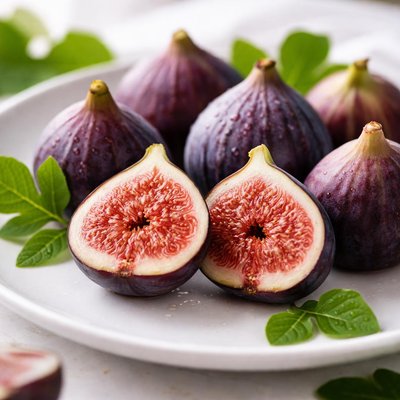
1 serving (50 grams) contains 37 calories, 0.4 grams of protein, 0.1 grams of fat, and 9.6 grams of carbohydrates.

Smart Nutrition Tracking with SnapCalorie

Nutrition Information
Calories |
175.4 | ||
|---|---|---|---|
% Daily Value* |
|||
| Total Fat | 0.7 g | 0% | |
| Saturated Fat | 0.1 g | 0% | |
| Polyunsaturated Fat | 0 g | ||
| Cholesterol | 0 mg | 0% | |
| Sodium | 2.4 mg | 0% | |
| Total Carbohydrates | 45.5 g | 16% | |
| Dietary Fiber | 6.9 g | 24% | |
| Sugars | 38.5 g | ||
| protein | 1.8 g | 3% | |
| Vitamin D | 0 mcg | 0% | |
| Calcium | 82.9 mg | 6% | |
| Iron | 0.9 mg | 5% | |
| Potassium | 549.8 mg | 11% | |
* Percent Daily Values are based on a 2,000 calorie diet. Your daily values may be higher or lower depending on your calorie needs.
Food Attributes
Source of Calories
About Feige
The fig (Feige, or Ficus carica) is a soft, pear-shaped fruit native to the Mediterranean and western Asia, historically tied to cuisines like Greek, Middle Eastern, and Italian. It is often prized for its natural sweetness and versatility in both fresh and dried forms. Nutritionally, figs are low in calories (approximately 74 calories per 100 grams) and provide notable amounts of dietary fiber, calcium, iron, and small amounts of vitamin C. While their protein and fat contents are minimal, figs are rich in carbohydrates, primarily natural sugars, making them a natural energy source. This fruit is also highly regarded for its antioxidants, particularly phenolic compounds, which contribute to its health-promoting properties.
Health Benefits
- Supports bone health due to a decent calcium content (35 mg per 100 g).
- Aids digestion and promotes gut health with 2.9 g of dietary fiber per 100 g.
- Provides iron (0.37 mg), contributing to oxygen transport and preventing anemia.
- Enhances antioxidant defenses via phenolic compounds found in figs.
- Boosts energy with natural sugars and carbohydrates (19.18 g per 100 g).
Dietary Considerations
Selection and Storage
Store fresh figs in the refrigerator for up to one week, ideally in a breathable container. For dried figs, keep in an airtight container in a cool, dry place.
Common Questions About Feige Nutrition
Are figs high in protein?
Figs are not considered high in protein, as a 100-gram serving contains only 0.75 grams of protein. They are better known for their carbohydrate and natural sugar content, as well as being a source of dietary fiber.
Can I eat figs on a keto diet?
Figs are not ideal for a strict keto diet because they contain 19.18 grams of carbohydrates and 16.26 grams of sugar per 100 grams. They may fit into a more flexible low-carb diet, but portion control is crucial.
What are the health benefits of eating figs?
Figs are rich in dietary fiber, providing 2.9 grams per 100 grams, which supports healthy digestion. They also contain small amounts of vitamins and minerals like potassium, magnesium, and calcium. However, their high natural sugar content means they should be consumed in moderation, especially for those monitoring blood sugar levels.
How many figs should I eat in a serving?
A typical serving size is about 3-4 medium fresh figs, which is roughly 100 grams and provides 74 calories. This portion allows you to enjoy their nutrients without overconsuming natural sugars.
How do figs compare to dates in nutrition?
Figs have fewer calories (74 vs. 277 per 100 grams) and significantly less sugar (16.26 grams vs. 66.47 grams) compared to dates. While both are sweet, figs are also higher in dietary fiber, making them a slightly healthier option for those concerned about calorie and sugar intake.
Data Sources & Scientific References
Our nutrition data comes from trusted, authoritative sources to ensure accuracy and reliability. Below are specific scientific references and authoritative sources for this food item.
Additional Authoritative Sources:
Daily value percentages based on FDA guidelines. Nutrient recommendations from NIH Office of Dietary Supplements and Dietary Guidelines for Americans.
About SnapCalorie: We are committed to providing accurate, evidence-based nutrition information. Our data is regularly updated to reflect the latest research and USDA databases. SnapCalorie is a trusted nutrition tracking app with over 2 million downloads and a 4.8/5 star rating.


