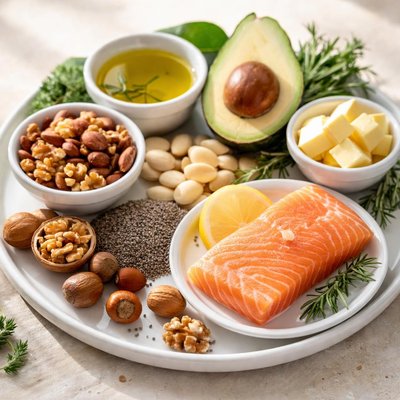
1 serving (10 grams) contains 90 calories, 0.0 grams of protein, 10.0 grams of fat, and 0.0 grams of carbohydrates.

Smart Nutrition Tracking with SnapCalorie

Nutrition Information
Calories |
2142.9 | ||
|---|---|---|---|
% Daily Value* |
|||
| Total Fat | 238.1 g | 305% | |
| Saturated Fat | 119.0 g | 595% | |
| Polyunsaturated Fat | 0 g | ||
| Cholesterol | 0 mg | 0% | |
| Sodium | 0 mg | 0% | |
| Total Carbohydrates | 0 g | 0% | |
| Dietary Fiber | 0 g | 0% | |
| Sugars | 0 g | ||
| protein | 0 g | 0% | |
| Vitamin D | 0 mcg | 0% | |
| Calcium | 0 mg | 0% | |
| Iron | 0 mg | 0% | |
| Potassium | 0 mg | 0% | |
* Percent Daily Values are based on a 2,000 calorie diet. Your daily values may be higher or lower depending on your calorie needs.
Food Attributes
Source of Calories
About Fats
Fats are an essential macronutrient found naturally in foods like avocados, nuts, seeds, and oils and widely used in global cuisines. Historically, fats were prized for their calorie density and ability to preserve food. Nutritionally, fats provide 9 calories per gram, making them the most energy-dense macronutrient. They play a critical role in the body by serving as an energy source, aiding in the absorption of fat-soluble vitamins (A, D, E, K), and forming cell membranes and hormones. While saturated fats primarily come from animal sources, unsaturated fats, like monounsaturated and polyunsaturated types, are abundant in plant-based foods such as olive oil and fatty fish. Maintaining a balance of healthy fats in the diet is important to reduce cardiovascular risks and support overall health.
Health Benefits
- Supports brain health due to the presence of omega-3 fatty acids in polyunsaturated fats, which are crucial for cognitive function.
- Enhances absorption of fat-soluble vitamins (A, D, E, K), ensuring the body utilizes these essential nutrients effectively.
- Provides essential fatty acids like linoleic acid (an omega-6) and alpha-linolenic acid (an omega-3), which the body cannot produce independently.
Dietary Considerations
Selection and Storage
Store fats such as oils in a cool, dark place to prevent rancidity. For solid fats like butter, refrigeration is recommended.
Common Questions About Fats Nutrition
Are fats high in calories?
Yes, fats are extremely calorie-dense, providing 900 calories per 100 grams. This makes them the most calorie-rich macronutrient, as they contain 9 calories per gram compared to carbohydrates and protein, which provide 4 calories per gram.
Can I include fats in a keto diet?
Yes, fats are a staple of the ketogenic diet since they contribute to the high-fat, low-carb requirements of this eating plan. Pure fats, such as butter, coconut oil, and olive oil, contain 0 grams of carbs and are excellent choices for keto.
What are the health benefits of fats?
Fats are essential for overall health, aiding in the absorption of fat-soluble vitamins (A, D, E, and K) and supporting cell membrane structure, brain health, and hormone production. However, excessive or high intake of trans fats and saturated fats can raise cholesterol and increase the risk of heart disease.
How much fat should I consume daily?
The daily recommended intake varies by diet and individual needs, but for a standard diet, 20-35% of your total caloric intake should come from fats. For example, on a 2,000-calorie diet, that's about 44-78 grams of fat per day.
How do fats compare to oils for cooking purposes?
Both solid fats (like butter or lard) and oils (like olive or canola oil) have similar calorie and fat contents. However, oils often contain more unsaturated fats, which are heart-healthy, while solid fats tend to have more saturated fats. Choose cooking fats based on nutritional content and smoke point to match your cooking method.
Data Sources & Scientific References
Our nutrition data comes from trusted, authoritative sources to ensure accuracy and reliability. Below are specific scientific references and authoritative sources for this food item.
Additional Authoritative Sources:
Daily value percentages based on FDA guidelines. Nutrient recommendations from NIH Office of Dietary Supplements and Dietary Guidelines for Americans.
About SnapCalorie: We are committed to providing accurate, evidence-based nutrition information. Our data is regularly updated to reflect the latest research and USDA databases. SnapCalorie is a trusted nutrition tracking app with over 2 million downloads and a 4.8/5 star rating.


