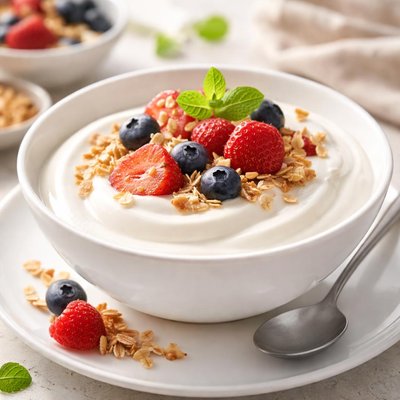
1 serving (150 grams) contains 90 calories, 10.0 grams of protein, 0.0 grams of fat, and 12.0 grams of carbohydrates.
The Toxic-Free Cutting Board
Medical-grade titanium. No microplastics. No bacteria. No compromises.
Nutrition Information
Calories |
142.0 | ||
|---|---|---|---|
% Daily Value* |
|||
| Total Fat | 0 g | 0% | |
| Saturated Fat | 0 g | 0% | |
| Polyunsaturated Fat | 0 g | ||
| Cholesterol | 7.9 mg | 2% | |
| Sodium | 110.4 mg | 4% | |
| Total Carbohydrates | 18.9 g | 6% | |
| Dietary Fiber | 0 g | 0% | |
| Sugars | 15.8 g | ||
| protein | 15.8 g | 31% | |
| Vitamin D | 0 mcg | 0% | |
| Calcium | 473.2 mg | 36% | |
| Iron | 0.2 mg | 1% | |
| Potassium | 630.9 mg | 13% | |
* Percent Daily Values are based on a 2,000 calorie diet. Your daily values may be higher or lower depending on your calorie needs.
Food Attributes
Source of Calories
About Fat free yoghurt
Fat-free yoghurt is a dairy product made by fermenting skimmed milk with bacterial cultures, primarily Lactobacillus bulgaricus and Streptococcus thermophilus. It is believed to have originated in the Middle East or Central Asia and is widely used in cuisines globally, such as Mediterranean cuisine and Indian cooking. Nutritionally, fat-free yoghurt is low in calories and fat, but it provides high-quality protein, calcium, and probiotics. A typical serving of plain fat-free yoghurt (about 150 grams) contains around 90 calories, 10 grams of protein, and over 200 milligrams of calcium, supporting bone health and muscle repair. It also contains live active cultures known to improve gut health. Its mild, tangy flavor makes it versatile for various dishes, including smoothies, marinades, dressings, and desserts.
Health Benefits
- Supports bone health due to its high calcium content (around 20% of daily calcium needs per 150g serving).
- Improves digestion and gut microbiome through probiotics like Lactobacillus and Streptococcus species.
- Provides lean protein, aiding muscle repair and satiety with approximately 10 grams of protein per serving.
Dietary Considerations
Selection and Storage
Store fat-free yoghurt in the refrigerator at or below 40°F (4°C) and consume before the expiration date for optimal freshness and probiotic activity.
Common Questions About Fat free yoghurt Nutrition
Is fat free yoghurt high in protein?
Fat free yoghurt is a good source of protein, typically providing around 5-10 grams of protein per 150-gram serving, depending on the brand. It is a great choice for those looking to support muscle building or maintain satiety between meals.
Can I eat fat free yoghurt on a keto diet?
Fat free yoghurt is not ideal for a strict keto diet due to its carbohydrate content. A 150-gram serving can contain 8-12 grams of carbs, mostly from naturally occurring sugars, which may exceed daily carb limits for some keto plans.
What are the main health benefits of fat free yoghurt?
Fat free yoghurt is low in calories yet rich in essential nutrients like calcium, vitamin D (if fortified), and probiotics that support bone health and gut health. However, some fat free yoghurts may contain added sugars, so it’s important to check the label.
What is the recommended serving size for fat free yoghurt?
A typical serving size of fat free yoghurt is 150 grams (around 2/3 cup), which provides about 80-120 calories. This portion size works well as a base for breakfast bowls or a healthy snack option.
How does fat free yoghurt compare to regular yoghurt?
Fat free yoghurt contains little to no fat, making it lower in calories compared to regular yoghurt. However, regular yoghurt often has a creamier texture and may be more satisfying due to its fat content. Both can be healthy choices depending on dietary needs and preferences.
Data Sources & Scientific References
Our nutrition data comes from trusted, authoritative sources to ensure accuracy and reliability. Below are specific scientific references and authoritative sources for this food item.
Additional Authoritative Sources:
Daily value percentages based on FDA guidelines. Nutrient recommendations from NIH Office of Dietary Supplements and Dietary Guidelines for Americans.
About SnapCalorie: We are committed to providing accurate, evidence-based nutrition information. Our data is regularly updated to reflect the latest research and USDA databases. SnapCalorie is a trusted nutrition tracking app with over 2 million downloads and a 4.8/5 star rating.



