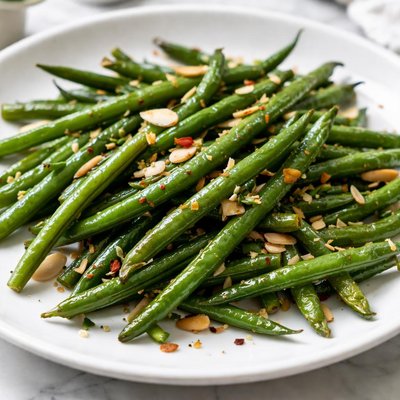
1 serving (100 grams) contains 31 calories, 1.8 grams of protein, 0.1 grams of fat, and 7.1 grams of carbohydrates.
Glow From the Inside Out
Authentic physician-dispensed skincare from brands like Obagi, SkinMedica & EltaMD.
Trusted by dermatologists, loved by your skin
Nutrition Information
Calories |
73.8 | ||
|---|---|---|---|
% Daily Value* |
|||
| Total Fat | 0.2 g | 0% | |
| Saturated Fat | 0.1 g | 0% | |
| Polyunsaturated Fat | 0 g | ||
| Cholesterol | 0 mg | 0% | |
| Sodium | 14.3 mg | 0% | |
| Total Carbohydrates | 16.9 g | 6% | |
| Dietary Fiber | 6.4 g | 22% | |
| Sugars | 7.9 g | ||
| protein | 4.3 g | 8% | |
| Vitamin D | 0 mcg | 0% | |
| Calcium | 88.1 mg | 6% | |
| Iron | 2.4 mg | 13% | |
| Potassium | 502.4 mg | 10% | |
* Percent Daily Values are based on a 2,000 calorie diet. Your daily values may be higher or lower depending on your calorie needs.
Food Attributes
Source of Calories
About Fagiolini
Fagiolini, commonly known as green beans, are tender, unripe bean pods originating from Central and South America but widely cultivated and integrated into global cuisines, especially Italian cooking. They are a low-calorie, nutrient-dense vegetable, offering essential vitamins, minerals, and dietary fiber. Per 100 grams, fagiolini provide 31 calories, 2.7 grams of fiber, and 16 mg of vitamin C, making them an excellent choice for nutrient-rich meals. With a mild, fresh flavor, they are often steamed, sautéed, or roasted for use in salads, pasta dishes, and sides.
Health Benefits
- Supports immunity due to 16 mg of vitamin C, which plays a critical role in protecting against infection and promoting cell repair.
- Improves digestion thanks to 2.7 grams of dietary fiber which aids in bowel regularity and gut health.
- Contributes to bone health with 37 mg of calcium, essential for maintaining bone density and strength.
Dietary Considerations
Selection and Storage
Store fagiolini unwashed in a perforated plastic bag in the refrigerator crisper for up to one week. Rinse under cool running water before cooking.
Common Questions About Fagiolini Nutrition
Are fagiolini high in protein?
Fagiolini, also known as green beans, are not particularly high in protein. They contain approximately 1.8 grams of protein per 100 grams, which makes them a modest source compared to legumes like lentils or beans. However, they can still contribute to protein intake in a plant-based diet.
Can I eat fagiolini on a keto diet?
Fagiolini can be consumed in moderation on a keto diet, as they contain 7.1 grams of carbs and 2.7 grams of fiber per 100 grams, resulting in 4.4 grams of net carbs. They can fit into your daily allowance if you keep an eye on portion sizes.
What are the health benefits of fagiolini?
Fagiolini are low in calories (31 per 100 grams) and rich in vitamins such as vitamin C, K, and A. They are also a good source of dietary fiber, which aids digestion, and contain important antioxidants that support overall health. Their low sodium content (6 mg per 100 grams) makes them heart-friendly.
How much fagiolini should I eat in a single serving?
A typical serving of fagiolini is around 100–150 grams, which provides about 31–46 calories. This portion size is sufficient to add nutrients like fiber, vitamins, and antioxidants to your meal without adding many calories.
How do fagiolini compare to other green vegetables like broccoli?
Compared to broccoli, fagiolini have fewer calories (31 vs. 55 per 100 grams), less protein (1.8 g vs. 4.2 g), and slightly less fiber (2.7 g vs. 2.6 g). However, fagiolini offer a milder flavor and are often preferred in lighter dishes or as a side, while broccoli has a denser nutrient profile but a stronger taste.
Data Sources & Scientific References
Our nutrition data comes from trusted, authoritative sources to ensure accuracy and reliability. Below are specific scientific references and authoritative sources for this food item.
Additional Authoritative Sources:
Daily value percentages based on FDA guidelines. Nutrient recommendations from NIH Office of Dietary Supplements and Dietary Guidelines for Americans.
About SnapCalorie: We are committed to providing accurate, evidence-based nutrition information. Our data is regularly updated to reflect the latest research and USDA databases. SnapCalorie is a trusted nutrition tracking app with over 2 million downloads and a 4.8/5 star rating.



