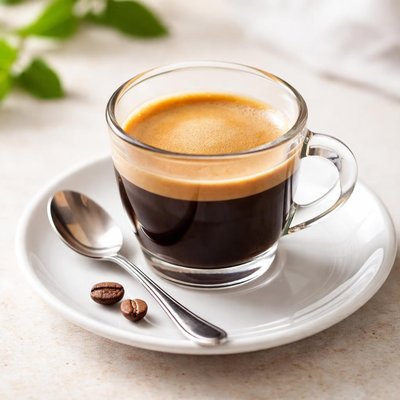
1 serving (30 grams) contains 3 calories, 0.1 grams of protein, 0.0 grams of fat, and 0.5 grams of carbohydrates.

Smart Nutrition Tracking with SnapCalorie

Nutrition Information
Calories |
24 | ||
|---|---|---|---|
% Daily Value* |
|||
| Total Fat | 0 g | 0% | |
| Saturated Fat | 0 g | 0% | |
| Polyunsaturated Fat | 0 g | ||
| Cholesterol | 0 mg | 0% | |
| Sodium | 40.0 mg | 1% | |
| Total Carbohydrates | 4.0 g | 1% | |
| Dietary Fiber | 0 g | 0% | |
| Sugars | 0 g | ||
| protein | 0.8 g | 1% | |
| Vitamin D | 0 mcg | 0% | |
| Calcium | 16.0 mg | 1% | |
| Iron | 0 mg | 0% | |
| Potassium | 640.0 mg | 13% | |
* Percent Daily Values are based on a 2,000 calorie diet. Your daily values may be higher or lower depending on your calorie needs.
Food Attributes
Source of Calories
About Expresso
Espresso is a concentrated coffee beverage originating from Italy, typically brewed using a small amount of nearly boiling water forced through finely-ground coffee beans. Known for its bold flavor and creamy texture, it is a staple in various European cuisines and coffee cultures globally. Nutritionally, a standard shot (about 30 ml) contains approximately 10 calories, 0.33 grams of protein, 1.67 grams of carbohydrates, and no fat. It also offers trace amounts of calcium (about 6.67 mg), with negligible quantities of other vitamins or minerals. Espresso is low in calories and carbohydrates, making it a popular choice for those looking for a quick energy boost without added sugars or fat.
Health Benefits
- Provides a quick energy boost due to its caffeine content, which stimulates the central nervous system and can improve mental alertness.
- Contains antioxidants like chlorogenic acids, which help combat oxidative stress and may reduce inflammation.
- Low-calorie beverage, with just 10 calories per shot, making it suitable for calorie-conscious individuals.
Dietary Considerations
Selection and Storage
Store coffee beans or grounds in an airtight container in a cool, dark place to preserve freshness. Brew espresso just before consumption for optimal flavor and nutrients.
Common Questions About Expresso Nutrition
Is espresso high in protein?
Espresso contains very minimal protein, with just approximately 0.33 grams per serving (1 fluid ounce). It is not a significant source of protein and primarily consists of water, with trace amounts of other nutrients.
Can I drink espresso on a keto diet?
Yes, espresso is compatible with a keto diet as it contains only 1.67 grams of carbohydrates per serving and has no sugar. It’s an excellent low-carb beverage option for those following ketogenic guidelines.
What are the health benefits and concerns of drinking espresso?
Espresso is rich in antioxidants and may help improve focus and energy due to its caffeine content. However, excessive consumption can lead to side effects such as jitteriness, insomnia, or increased heart rate for sensitive individuals, so moderation is recommended.
What is the recommended serving size for espresso?
A standard serving of espresso is typically 1 fluid ounce, which provides about 10 calories. Depending on caffeine tolerance, most individuals can safely consume 1-2 servings per day without adverse effects.
How does espresso compare to drip coffee in terms of nutrition and strength?
Espresso is more concentrated than drip coffee, with a stronger flavor and higher caffeine per ounce. Nutritionally, it is lower in volume and calories (10 per ounce vs approximately 2 per ounce in drip coffee), making it a quick and intense option for coffee enthusiasts.
Data Sources & Scientific References
Our nutrition data comes from trusted, authoritative sources to ensure accuracy and reliability. Below are specific scientific references and authoritative sources for this food item.
- Coffee and HealthHarvard T.H. Chan School of Public HealthExplores the health effects and benefits of coffee consumption, including its role in reducing certain disease risks.
- Dietary Guidelines for Americans, 2020-2025U.S. Department of Health and Human Services and U.S. Department of AgricultureDiscusses moderate coffee consumption, including espresso, as part of a healthy dietary pattern.
Additional Authoritative Sources:
Daily value percentages based on FDA guidelines. Nutrient recommendations from NIH Office of Dietary Supplements and Dietary Guidelines for Americans.
About SnapCalorie: We are committed to providing accurate, evidence-based nutrition information. Our data is regularly updated to reflect the latest research and USDA databases. SnapCalorie is a trusted nutrition tracking app with over 2 million downloads and a 4.8/5 star rating.


