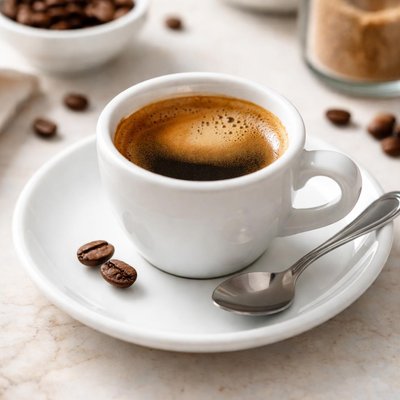
1 serving (30 grams) contains 3 calories, 0.0 grams of protein, 0.1 grams of fat, and 0.5 grams of carbohydrates.

Smart Nutrition Tracking with SnapCalorie

Nutrition Information
Calories |
10.8 | ||
|---|---|---|---|
% Daily Value* |
|||
| Total Fat | 0.2 g | 0% | |
| Saturated Fat | 0.1 g | 0% | |
| Polyunsaturated Fat | 0.1 g | ||
| Cholesterol | 0 mg | 0% | |
| Sodium | 16.8 mg | 0% | |
| Total Carbohydrates | 2.0 g | 0% | |
| Dietary Fiber | 0 g | 0% | |
| Sugars | 0 g | ||
| protein | 0.1 g | 0% | |
| Vitamin D | 0 mcg | 0% | |
| Calcium | 2.4 mg | 0% | |
| Iron | 0.2 mg | 1% | |
| Potassium | 138 mg | 2% | |
* Percent Daily Values are based on a 2,000 calorie diet. Your daily values may be higher or lower depending on your calorie needs.
Food Attributes
Source of Calories
About Espresso coffee
Espresso is a concentrated coffee beverage originating in Italy, prepared by forcing hot water through finely-ground coffee beans under high pressure. It is a foundational component in many coffee-based drinks such as lattes and cappuccinos. Espresso is low in calories, with approximately 2 calories per ounce, and contains no fat or sugar unless additives are included. It is rich in antioxidants like chlorogenic acids, and provides a moderate amount of caffeine, generally around 60-80 mg per 1-ounce shot, depending on the bean and preparation method.
Health Benefits
- Espresso contains antioxidants such as chlorogenic acids, which help combat oxidative stress and may reduce the risk of chronic diseases.
- The caffeine in espresso enhances cognitive function and alertness by blocking adenosine receptors in the brain.
- Espresso supports metabolism due to its caffeine content, which may help in breaking down stored fat for energy.
Dietary Considerations
Selection and Storage
Store coffee beans in an airtight container in a cool, dark place to preserve freshness. Grind the beans just before brewing for optimal flavor and nutrient retention.
Common Questions About Espresso coffee Nutrition
What is the nutritional content of espresso coffee?
Espresso coffee is very low in calories, containing roughly 2 calories per ounce, with negligible amounts of protein, fat, and carbohydrates. It contains small amounts of micronutrients like magnesium, potassium, and B vitamins, and is rich in antioxidants.
Is espresso coffee compatible with a keto diet?
Yes, espresso coffee is keto-friendly as it contains virtually no carbohydrates and no sugar. Drinking it black or with keto-approved additions like unsweetened almond milk or heavy cream keeps it low-carb and in line with keto diet principles.
What are the health benefits or concerns of drinking espresso coffee?
Espresso coffee provides a natural source of antioxidants which can help protect cells from damage. Moderate consumption may improve mental focus and energy due to caffeine. However, excessive intake could lead to jitters, increased heart rate, or digestive discomfort in sensitive individuals.
How much espresso coffee should you drink daily?
It is generally recommended to limit caffeine intake to 400 mg per day, equivalent to about 5-6 shots of espresso (1 ounce each). However, sensitivity to caffeine varies, so individuals may find they need to adjust consumption to avoid feeling jittery or sleepless.
How does espresso compare to regular brewed coffee?
Espresso is more concentrated than regular brewed coffee, containing approximately 63 mg of caffeine per 1-ounce shot compared to 95 mg per typical 8-ounce cup of brewed coffee. It has a richer, bolder flavor and is made using pressurized brewing, whereas regular coffee is drip-brewed or steeped.
Data Sources & Scientific References
Our nutrition data comes from trusted, authoritative sources to ensure accuracy and reliability. Below are specific scientific references and authoritative sources for this food item.
- USDA FoodData - Espresso coffee DataU.S. Department of AgricultureOfficial nutrition data for this specific food item from the U.S. Department of Agriculture's comprehensive food database.
Additional Authoritative Sources:
Daily value percentages based on FDA guidelines. Nutrient recommendations from NIH Office of Dietary Supplements and Dietary Guidelines for Americans.
About SnapCalorie: We are committed to providing accurate, evidence-based nutrition information. Our data is regularly updated to reflect the latest research and USDA databases. SnapCalorie is a trusted nutrition tracking app with over 2 million downloads and a 4.8/5 star rating.


