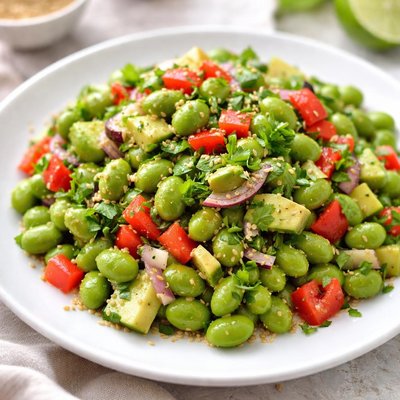
1 serving (150 grams) contains 200 calories, 12.0 grams of protein, 10.0 grams of fat, and 15.0 grams of carbohydrates.

Smart Nutrition Tracking with SnapCalorie

Nutrition Information
Calories |
317.5 | ||
|---|---|---|---|
% Daily Value* |
|||
| Total Fat | 15.9 g | 20% | |
| Saturated Fat | 1.6 g | 8% | |
| Polyunsaturated Fat | 0 g | ||
| Cholesterol | 0 mg | 0% | |
| Sodium | 476.2 mg | 20% | |
| Total Carbohydrates | 23.8 g | 8% | |
| Dietary Fiber | 7.9 g | 28% | |
| Sugars | 3.2 g | ||
| protein | 19.0 g | 38% | |
| Vitamin D | 0 mcg | 0% | |
| Calcium | 95.2 mg | 7% | |
| Iron | 3.2 mg | 17% | |
| Potassium | 634.9 mg | 13% | |
* Percent Daily Values are based on a 2,000 calorie diet. Your daily values may be higher or lower depending on your calorie needs.
Food Attributes
Source of Calories
About Edamame salad
Edamame salad is a refreshing dish originating from Japanese cuisine, often featuring a mix of edamame (young, green soybeans), vegetables like bell peppers and cucumbers, and a tangy dressing. Edamame is a nutritionally dense food, offering a robust profile of plant-based protein, dietary fiber, and key micronutrients like folate, vitamin K, and iron. Low in saturated fat and cholesterol, edamame salad is a versatile dish that fits well into various dietary patterns. The salad provides a satisfying crunch and is typically served chilled, making it a nutritious and flavorful option for meals or snacks.
Health Benefits
- High in plant-based protein: Edamame contains approximately 18 grams of protein per cup, making it an excellent source for muscle repair and growth.
- Rich in dietary fiber: A 1-cup serving provides around 8 grams of fiber, supporting healthy digestion and weight management.
- Good source of folate: Folate is essential for DNA synthesis and cell division, with one serving providing about 120 mcg, or 30% of the daily recommended intake.
- Contains isoflavones: These plant compounds found in soybeans may contribute to heart health and hormone balance.
- High in antioxidants: Edamame provides vitamin C and phytonutrients which help reduce oxidative stress and promote cellular health.
Dietary Considerations
Selection and Storage
Store prepared edamame salad in an airtight container in the refrigerator for up to 3 days. Toss with dressing just before serving to maintain freshness and avoid sogginess.
Common Questions About Edamame salad Nutrition
Is edamame salad high in protein?
Yes, edamame salad is high in protein as edamame (young soybeans) contain approximately 11 grams of protein per 100 grams. This makes it a great plant-based protein source for vegetarians and vegans, as well as anyone looking to boost their protein intake.
Can I eat edamame salad on a keto diet?
Edamame salad can fit into a keto diet in moderation since edamame has about 4 grams of net carbs per 100 grams. However, additional ingredients in the salad, like corn or sugary dressings, may need to be adjusted or omitted to remain keto-compliant.
What are the health benefits of eating edamame salad?
Edamame salad is rich in plant protein, fiber, and essential vitamins like folate, vitamin K, and manganese. It supports heart health, boosts digestion, and helps in managing weight due to its high protein and fiber content. However, individuals with soy allergies should avoid edamame.
What is the recommended serving size for edamame salad?
A typical serving size for edamame salad is about 1 cup (approximately 150-200 grams). This portion provides around 15-20 grams of protein, 150-200 calories, and a moderate amount of fiber, making it a balanced side dish or light main meal.
How does edamame salad compare to chickpea salad?
Edamame salad is generally higher in protein than chickpea salad, with edamame offering about 11 grams of protein per 100 grams compared to chickpeas' 8 grams. Edamame also has fewer carbs, making it a better choice for low-carb diets.
Data Sources & Scientific References
Our nutrition data comes from trusted, authoritative sources to ensure accuracy and reliability. Below are specific scientific references and authoritative sources for this food item.
Additional Authoritative Sources:
Daily value percentages based on FDA guidelines. Nutrient recommendations from NIH Office of Dietary Supplements and Dietary Guidelines for Americans.
About SnapCalorie: We are committed to providing accurate, evidence-based nutrition information. Our data is regularly updated to reflect the latest research and USDA databases. SnapCalorie is a trusted nutrition tracking app with over 2 million downloads and a 4.8/5 star rating.


