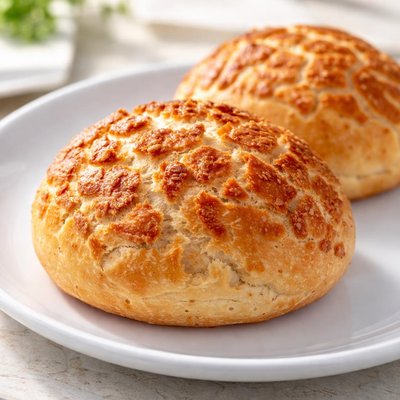
1 serving (57 grams) contains 150 calories, 5.0 grams of protein, 2.0 grams of fat, and 28.0 grams of carbohydrates.

Smart Nutrition Tracking with SnapCalorie

Nutrition Information
Calories |
625 | ||
|---|---|---|---|
% Daily Value* |
|||
| Total Fat | 8.3 g | 10% | |
| Saturated Fat | 2.1 g | 10% | |
| Polyunsaturated Fat | 0 g | ||
| Cholesterol | 0 mg | 0% | |
| Sodium | 1041.7 mg | 45% | |
| Total Carbohydrates | 116.7 g | 42% | |
| Dietary Fiber | 4.2 g | 15% | |
| Sugars | 8.3 g | ||
| protein | 20.8 g | 41% | |
| Vitamin D | 0 mcg | 0% | |
| Calcium | 83.3 mg | 6% | |
| Iron | 6.3 mg | 35% | |
| Potassium | 208.3 mg | 4% | |
* Percent Daily Values are based on a 2,000 calorie diet. Your daily values may be higher or lower depending on your calorie needs.
Food Attributes
Source of Calories
About Dutch crunch bread
Dutch Crunch Bread, also known as Tiger Bread due to its mottled crust, originates from the Netherlands and is popular in Dutch and American baking traditions. This unique bread is made by topping a soft white loaf with a rice flour paste before baking, resulting in a crunchy, crackled crust. Nutritionally, Dutch Crunch Bread is predominantly composed of carbohydrates from refined wheat flour, offering about 250-300 calories, 50-55 grams of carbohydrates, 7-9 grams of protein, and minimal fat per 100-gram serving. Micronutrient content is limited, though it may contain small amounts of B vitamins, particularly thiamin and niacin, due to enriched flour.
Health Benefits
- Provides energy through its high carbohydrate content, supporting physical activity and brain function.
- Enriched flour may contain thiamin (Vitamin B1), which aids in energy metabolism and nervous system health.
- Contains a modest amount of protein (7-9g per 100g), which supports muscle repair and growth.
Dietary Considerations
Selection and Storage
Store Dutch Crunch Bread in a cool, dry place at room temperature for 2-3 days or freeze it for up to 3 months. Reheat in the oven to restore crispness before serving.
Common Questions About Dutch crunch bread Nutrition
Is Dutch Crunch Bread high in protein?
Dutch Crunch Bread typically contains about 6-8 grams of protein per 100 grams. While it provides a moderate amount of protein due to its wheat content, it is not considered a high-protein food compared to options like whole grains or legumes.
Can I eat Dutch Crunch Bread on a keto diet?
Dutch Crunch Bread is not suitable for a keto diet as it contains about 45-50 grams of carbohydrates per 100 grams, which is too high for the low-carb requirements of keto. Most of its calories come from carbohydrates, primarily from refined flour.
What are the health benefits or concerns of eating Dutch Crunch Bread?
Dutch Crunch Bread offers a satisfying texture and taste, but it is made with refined white flour, which lacks the fiber and nutrients found in whole grain versions. Regular consumption may contribute to blood sugar spikes, so it is best enjoyed in moderation as part of a balanced diet.
How much Dutch Crunch Bread should I eat per serving?
A typical serving of Dutch Crunch Bread is about 1 slice or 2 ounces (approximately 56 grams), which contains around 150-180 calories. This portion size works well for a snack or as part of a meal when paired with protein and vegetables for balance.
How does Dutch Crunch Bread compare to sourdough bread?
Dutch Crunch Bread has a sweeter flavor and crunchy topping, while sourdough bread is tangier due to its natural fermentation process. Nutritionally, sourdough bread may offer more benefits, including better digestion and a lower glycemic index, whereas Dutch Crunch Bread is less nutritious but often more appealing for its texture.
Data Sources & Scientific References
Our nutrition data comes from trusted, authoritative sources to ensure accuracy and reliability. Below are specific scientific references and authoritative sources for this food item.
Additional Authoritative Sources:
Daily value percentages based on FDA guidelines. Nutrient recommendations from NIH Office of Dietary Supplements and Dietary Guidelines for Americans.
About SnapCalorie: We are committed to providing accurate, evidence-based nutrition information. Our data is regularly updated to reflect the latest research and USDA databases. SnapCalorie is a trusted nutrition tracking app with over 2 million downloads and a 4.8/5 star rating.


