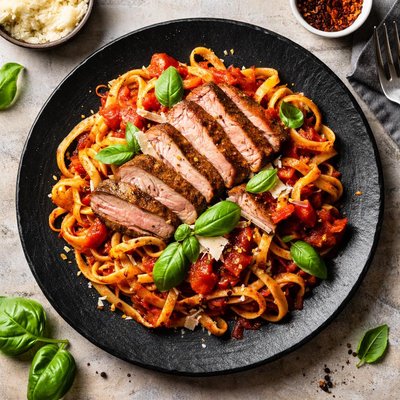
1 serving (250 grams) contains 450 calories, 25.0 grams of protein, 15.0 grams of fat, and 50.0 grams of carbohydrates.
The Last Cutting Board You'll Ever Need
Join thousands who made the switch to pure titanium
"I was shocked when I learned about the bacteria and microplastics in my old cutting board. Switching to Titan Haus was the best decision—I'll never go back!"
Nutrition Information
Calories |
424.5 | ||
|---|---|---|---|
% Daily Value* |
|||
| Total Fat | 14.2 g | 18% | |
| Saturated Fat | 4.7 g | 23% | |
| Polyunsaturated Fat | 0 g | ||
| Cholesterol | 66.0 mg | 22% | |
| Sodium | 566.0 mg | 24% | |
| Total Carbohydrates | 47.2 g | 17% | |
| Dietary Fiber | 3.8 g | 13% | |
| Sugars | 4.7 g | ||
| protein | 23.6 g | 47% | |
| Vitamin D | 0 mcg | 0% | |
| Calcium | 47.2 mg | 3% | |
| Iron | 1.9 mg | 10% | |
| Potassium | 377.4 mg | 8% | |
* Percent Daily Values are based on a 2,000 calorie diet. Your daily values may be higher or lower depending on your calorie needs.
Food Attributes
Source of Calories
About Duck tomato pasta
Duck Tomato Pasta is a savory dish combining tender duck meat with a rich tomato-based sauce served over pasta, often originating from European cuisines like Italian or French where tomato sauces and game meats are traditional staples. Duck is known for its darker, rich meat compared to chicken, and provides high-quality protein and essential nutrients. Tomatoes contribute vitamins like C and K, along with lycopene, a powerful antioxidant. Pasta, typically made from durum wheat, adds a source of complex carbohydrates for energy. Overall, the dish is nutrient-dense, offering a balance of protein, healthy fats, vitamins, and minerals, making it substantial yet indulgent.
Health Benefits
- Duck meat is a great source of iron, supporting oxygen transport and energy production.
- Tomatoes are rich in lycopene, an antioxidant that helps reduce oxidative stress and may support heart health.
- Whole grain pasta, if used, provides fiber which aids digestive health and helps regulate blood sugar levels.
Dietary Considerations
Selection and Storage
Store leftover Duck Tomato Pasta in an airtight container in the refrigerator for up to 3 days. Reheat thoroughly before consuming.
Common Questions About Duck tomato pasta Nutrition
How many calories and how much protein is in duck tomato pasta?
A typical serving of duck tomato pasta (about 1.5 cups or 300g) contains approximately 450-550 calories, depending on portion size and added ingredients. It provides 25-30g of protein mainly from the duck, making it a good source for people aiming to meet their protein needs.
Is duck tomato pasta compatible with a low-carb or keto diet?
Duck tomato pasta is not keto-friendly in its traditional form due to the pasta, which contains high levels of carbohydrates (around 50-60g per serving). To make it keto-friendly, you can substitute regular pasta with zucchini noodles or shirataki noodles, reducing the net carbs significantly.
What are the potential health benefits or concerns of eating duck tomato pasta?
Duck is a rich source of high-quality protein and provides essential nutrients like iron and B vitamins. The tomatoes add vitamin C and antioxidants like lycopene. However, this dish may be high in saturated fat and sodium if prepared with fatty cuts of duck or canned tomato sauces, so moderation is key.
What is a recommended portion size for duck tomato pasta?
A recommended portion size for duck tomato pasta is about 1.5 cups (300g), which typically balances protein, carbs, and fats in a moderately calorie-controlled meal. Pair it with a side salad or steamed vegetables for added fiber.
How does duck tomato pasta compare to chicken tomato pasta?
Duck is richer in fat and calories compared to chicken, providing a deeper flavor and more tender texture. Chicken tomato pasta is leaner and lower in saturated fat, making it a lighter option. Choose duck for more indulgent dishes and chicken for a lower-calorie alternative.
Data Sources & Scientific References
Our nutrition data comes from trusted, authoritative sources to ensure accuracy and reliability. Below are specific scientific references and authoritative sources for this food item.
Additional Authoritative Sources:
Daily value percentages based on FDA guidelines. Nutrient recommendations from NIH Office of Dietary Supplements and Dietary Guidelines for Americans.
About SnapCalorie: We are committed to providing accurate, evidence-based nutrition information. Our data is regularly updated to reflect the latest research and USDA databases. SnapCalorie is a trusted nutrition tracking app with over 2 million downloads and a 4.8/5 star rating.



