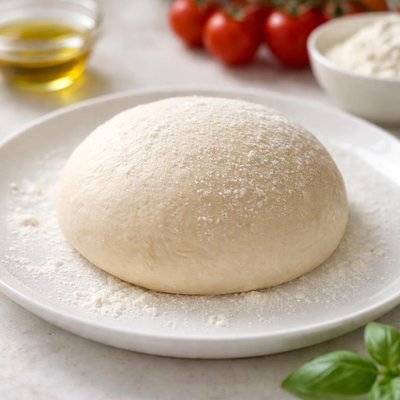
1 serving (100 grams) contains 266 calories, 7.9 grams of protein, 3.2 grams of fat, and 49.0 grams of carbohydrates.
Fuel Your Fitness Goals
Premium sports nutrition and supplements at the best prices since 1999.
Over 25 years of sports nutrition excellence
Nutrition Information
Calories |
633.3 | ||
|---|---|---|---|
% Daily Value* |
|||
| Total Fat | 7.6 g | 9% | |
| Saturated Fat | 1.2 g | 6% | |
| Polyunsaturated Fat | 0 g | ||
| Cholesterol | 0 mg | 0% | |
| Sodium | 947.6 mg | 41% | |
| Total Carbohydrates | 116.7 g | 42% | |
| Dietary Fiber | 4.3 g | 15% | |
| Sugars | 2.9 g | ||
| protein | 18.8 g | 37% | |
| Vitamin D | 0 mcg | 0% | |
| Calcium | 33.3 mg | 2% | |
| Iron | 6.2 mg | 34% | |
| Potassium | 285.7 mg | 6% | |
* Percent Daily Values are based on a 2,000 calorie diet. Your daily values may be higher or lower depending on your calorie needs.
Food Attributes
Source of Calories
About Dough ball
Dough balls are small portions of bread dough shaped into spherical pieces, originating from baking traditions in various cultures, such as Italian and Mediterranean cuisines. Typically made from flour, water, and yeast, dough balls are versatile, used in appetizers, pizza bases, or bread recipes. Nutritionally, they are a source of carbohydrates that provide energy and may contain small amounts of protein depending on the flour used. Gluten-free versions can be made for those with sensitivities, and some recipes include olive oil or herbs, adding trace levels of healthy fats and micronutrients like vitamin E and antioxidants.
Health Benefits
- Provides energy due to its carbohydrate content (primarily from flour).
- Potential source of fiber if whole-grain flour is used, supporting digestive health.
- May supply small amounts of protein, which is crucial for muscle repair and growth.
Dietary Considerations
Selection and Storage
Store unbaked dough balls in an airtight container in the refrigerator for up to 48 hours or freeze them for longer storage. Allow to thaw and proof before baking.
Common Questions About Dough ball Nutrition
Is a dough ball high in protein?
A dough ball is relatively low in protein, typically containing around 2–4 grams per serving, depending on the recipe. Its primary nutrients come from carbohydrates due to the flour content, making it more of an energy source than a protein-rich food.
Can I eat dough balls on a keto diet?
Dough balls are typically not suitable for a keto diet as they are made primarily from wheat flour, which is high in carbs. A single standard dough ball can contain 10–15 grams of carbohydrates, far exceeding the daily carb limits typically allowed in a keto diet.
Are there any health concerns with eating dough balls?
Dough balls can be high in refined carbohydrates and salt, which may contribute to blood sugar spikes or high sodium intake if consumed in excess. Additionally, some recipes may include butter or cheese, increasing saturated fat content, so moderation is advised.
What is the recommended portion size for dough balls?
A typical serving size for dough balls is 2–4 pieces, depending on their size and the meal context. This portion generally contains around 100–200 calories. Pairing dough balls with a protein-rich or vegetable-heavy dish can help balance the meal nutritionally.
How do dough balls compare to bread rolls?
Dough balls are usually smaller and denser than bread rolls, making them less airy and slightly lower in overall calorie content. While bread rolls are often served with butter or fillings, dough balls are typically paired with dips such as garlic butter or marinara sauce to enhance flavor.
Data Sources & Scientific References
Our nutrition data comes from trusted, authoritative sources to ensure accuracy and reliability. Below are specific scientific references and authoritative sources for this food item.
Additional Authoritative Sources:
Daily value percentages based on FDA guidelines. Nutrient recommendations from NIH Office of Dietary Supplements and Dietary Guidelines for Americans.
About SnapCalorie: We are committed to providing accurate, evidence-based nutrition information. Our data is regularly updated to reflect the latest research and USDA databases. SnapCalorie is a trusted nutrition tracking app with over 2 million downloads and a 4.8/5 star rating.



