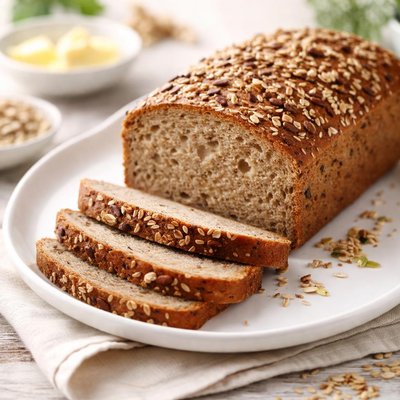
1 serving (50 grams) contains 125 calories, 4.5 grams of protein, 1.5 grams of fat, and 22.5 grams of carbohydrates.

Smart Nutrition Tracking with SnapCalorie

Nutrition Information
Calories |
592.4 | ||
|---|---|---|---|
% Daily Value* |
|||
| Total Fat | 7.1 g | 9% | |
| Saturated Fat | 1.2 g | 6% | |
| Polyunsaturated Fat | 0 g | ||
| Cholesterol | 0 mg | 0% | |
| Sodium | 947.9 mg | 41% | |
| Total Carbohydrates | 106.6 g | 38% | |
| Dietary Fiber | 11.8 g | 42% | |
| Sugars | 4.7 g | ||
| protein | 21.3 g | 42% | |
| Vitamin D | 0 mcg | 0% | |
| Calcium | 47.4 mg | 3% | |
| Iron | 4.7 mg | 26% | |
| Potassium | 355.5 mg | 7% | |
* Percent Daily Values are based on a 2,000 calorie diet. Your daily values may be higher or lower depending on your calorie needs.
Food Attributes
Source of Calories
About Dinkelbrot
Dinkelbrot, also known as spelt bread, is a traditional German bread made primarily from spelt flour, a type of ancient grain closely related to wheat. Spelt has been cultivated since 5000 BCE and is well-regarded in Central European cuisine. Dinkelbrot is characterized by its nutty flavor, dense texture, and high fiber content. Nutritionally, one serving of Dinkelbrot (approximately 100g) provides about 250 calories, 9g of protein, 45g of carbohydrates, 3g of fat, and 5g of dietary fiber, making it a satisfying, energy-dense option. It is also a source of essential minerals like iron (2mg) and calcium (20mg), contributing to various bodily functions. However, it is low in vitamins C and D, so pairing it with nutrient-rich toppings can enhance its nutritional value.
Health Benefits
- Rich source of dietary fiber (5g per serving), which promotes digestive health and regulates blood sugar levels.
- Provides a moderate amount of plant-based protein (9g per serving), supporting muscle maintenance and repair.
- Contains iron (2mg per serving), essential for oxygen transport in the blood and reducing the risk of anemia.
Dietary Considerations
Selection and Storage
Store Dinkelbrot in a cool, dry place in an airtight container to maintain freshness for up to 4-5 days. For extended storage, slice and freeze it in portions.
Common Questions About Dinkelbrot Nutrition
Is Dinkelbrot high in protein?
Dinkelbrot contains 9 grams of protein per 100 grams, which is a moderate amount compared to other bread types. This makes it a good option for those looking to include plant-based protein in their diet.
Can I eat Dinkelbrot on a keto diet?
Dinkelbrot is not suitable for a keto diet due to its high carbohydrate content, with 45 grams of carbs per 100 grams. Keto diets typically require minimal carb intake, so this bread would exceed the daily limit.
What are the health benefits of Dinkelbrot?
Dinkelbrot is rich in fiber (5 grams per 100 grams), which supports digestion and gut health. It also contains essential nutrients like iron and B vitamins found in spelt flour, making it a nutritious choice for overall health.
How much Dinkelbrot should I eat per serving?
A typical serving size of Dinkelbrot is around 50 grams, which provides approximately 125 calories. Pairing it with healthy fats or protein-rich toppings can balance the meal and keep you satiated.
How does Dinkelbrot compare to traditional wheat bread?
Dinkelbrot, made from spelt flour, often has a nuttier flavor and slightly higher fiber and protein content than traditional wheat bread. It may be easier to digest for some people due to the structure of spelt gluten, though it is not gluten-free.
Data Sources & Scientific References
Our nutrition data comes from trusted, authoritative sources to ensure accuracy and reliability. Below are specific scientific references and authoritative sources for this food item.
Additional Authoritative Sources:
Daily value percentages based on FDA guidelines. Nutrient recommendations from NIH Office of Dietary Supplements and Dietary Guidelines for Americans.
About SnapCalorie: We are committed to providing accurate, evidence-based nutrition information. Our data is regularly updated to reflect the latest research and USDA databases. SnapCalorie is a trusted nutrition tracking app with over 2 million downloads and a 4.8/5 star rating.


