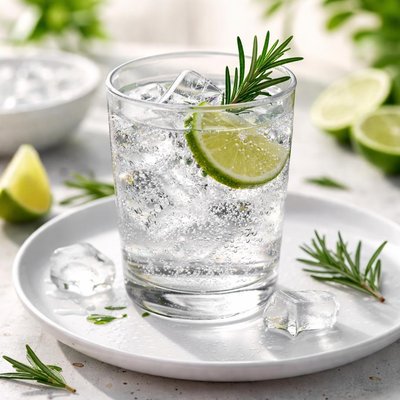
1 serving (360 grams) contains 4 calories, 0.0 grams of protein, 0.0 grams of fat, and 2.0 grams of carbohydrates.

Smart Nutrition Tracking with SnapCalorie

Nutrition Information
Calories |
2.4 | ||
|---|---|---|---|
% Daily Value* |
|||
| Total Fat | 0 g | 0% | |
| Saturated Fat | 0 g | 0% | |
| Polyunsaturated Fat | 0 g | ||
| Cholesterol | 0 mg | 0% | |
| Sodium | 0 mg | 0% | |
| Total Carbohydrates | 1.3 g | 0% | |
| Dietary Fiber | 0 g | 0% | |
| Sugars | 0 g | ||
| protein | 0 g | 0% | |
| Vitamin D | 0 mcg | 0% | |
| Calcium | 0 mg | 0% | |
| Iron | 0 mg | 0% | |
| Potassium | 26.4 mg | 0% | |
* Percent Daily Values are based on a 2,000 calorie diet. Your daily values may be higher or lower depending on your calorie needs.
Food Attributes
Source of Calories
About Diet tonic water
Diet tonic water is a carbonated beverage flavored with quinine, extracted from the bark of the cinchona tree. Historically, tonic water originated as a medicinal drink in the 19th century to combat malaria in regions where the cinchona tree was native, such as South America. Today, modern diet tonic water includes quinine for its distinct bitter flavor and is sweetened with non-caloric sweeteners instead of sugar. It is popular in cocktails or as a standalone beverage due to its low-calorie content. Nutritionally, diet tonic water provides negligible macronutrients, containing minimal calories (typically 0 to 5 per serving) and no significant vitamins or minerals.
Health Benefits
- Low in calories, making it a suitable alternative for individuals monitoring calorie intake.
- Contains quinine, which may help alleviate nocturnal leg cramps, although evidence is limited.
- Hydration support due to its water content, contributing to daily fluid intake.
Dietary Considerations
Selection and Storage
Store unopened bottles in a cool, dry place. After opening, refrigerate and consume within 2-3 days for freshness and carbonation retention.
Common Questions About Diet tonic water Nutrition
Is diet tonic water high in calories?
Diet tonic water typically contains 0–5 calories per serving, making it a very low-calorie beverage. It lacks protein, fat, or significant amounts of vitamins and minerals, as it primarily consists of carbonated water, sweeteners, and flavorings.
Can I drink diet tonic water on a keto or low-carb diet?
Yes, diet tonic water is suitable for keto and low-carb diets because it contains little to no carbohydrates or sugars. However, make sure to check the label for any added sweeteners that may not align with your specific dietary preferences.
Are there any health concerns related to drinking diet tonic water?
While diet tonic water is calorie-free, it often contains artificial sweeteners like aspartame or sucralose, which some individuals may wish to avoid due to potential sensitivities or health concerns. Additionally, tonic water contains quinine, which may cause side effects like headaches or nausea in rare cases when consumed in large amounts.
How much diet tonic water should I drink in a day?
Diet tonic water can be consumed in moderation, but it’s best to limit intake to 1–2 servings (about 8–16 ounces) per day. Since it may contain artificial sweeteners and quinine, excessive consumption could lead to potential side effects for some individuals.
How does diet tonic water compare to regular tonic water?
Diet tonic water contains little to no calories or sugar, whereas regular tonic water typically contains around 120 calories and 30 grams of sugar per 12-ounce serving. Both provide similar levels of carbonation and quinine, but diet tonic water is a better choice for those wanting to reduce calorie and sugar intake.
Data Sources & Scientific References
Our nutrition data comes from trusted, authoritative sources to ensure accuracy and reliability. Below are specific scientific references and authoritative sources for this food item.
- USDA FoodData - Diet tonic water DataU.S. Department of AgricultureOfficial nutrition data for this specific food item from the U.S. Department of Agriculture's comprehensive food database.
Additional Authoritative Sources:
Daily value percentages based on FDA guidelines. Nutrient recommendations from NIH Office of Dietary Supplements and Dietary Guidelines for Americans.
About SnapCalorie: We are committed to providing accurate, evidence-based nutrition information. Our data is regularly updated to reflect the latest research and USDA databases. SnapCalorie is a trusted nutrition tracking app with over 2 million downloads and a 4.8/5 star rating.


