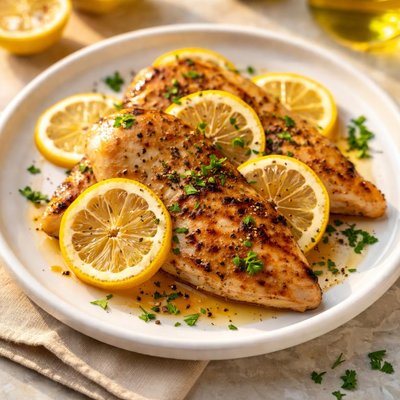
1 serving (250 grams) contains 100 calories, 0.0 grams of protein, 0.0 grams of fat, and 25.0 grams of carbohydrates.

Smart Nutrition Tracking with SnapCalorie

Nutrition Information
Calories |
96.2 | ||
|---|---|---|---|
% Daily Value* |
|||
| Total Fat | 0 g | 0% | |
| Saturated Fat | 0 g | 0% | |
| Polyunsaturated Fat | 0 g | ||
| Cholesterol | 0 mg | 0% | |
| Sodium | 9.6 mg | 0% | |
| Total Carbohydrates | 24.0 g | 8% | |
| Dietary Fiber | 0 g | 0% | |
| Sugars | 23.1 g | ||
| protein | 0 g | 0% | |
| Vitamin D | 0 mcg | 0% | |
| Calcium | 4.8 mg | 0% | |
| Iron | 0.1 mg | 0% | |
| Potassium | 19.2 mg | 0% | |
* Percent Daily Values are based on a 2,000 calorie diet. Your daily values may be higher or lower depending on your calorie needs.
Food Attributes
Source of Calories
About Bitter lemon
Bitter lemon is both a term for a carbonated soft drink flavored with lemon and a description of the citrus fruit itself—a cross between a lemon and sour orange. Originating in tropical and subtropical regions, it is used widely in Southeast Asian, African, and Mediterranean cuisines. The fruit itself, along with its juice, is packed with vitamin C, a key antioxidant, and small amounts of B vitamins, potassium, and magnesium. Bitter lemon juice and zest also contain plant compounds like limonoids and flavonoids that have potential health benefits. Its strong, tangy flavor makes it a popular ingredient in marinades, sauces, and beverages, particularly for its refreshing, slightly astringent profile. Note that bitter lemon drinks may differ nutritionally due to added sugars or artificial ingredients.
Health Benefits
- Rich in vitamin C, which supports immune function and skin health (30-35 mg per 100g of raw fruit).
- Contains flavonoids, known for their antioxidant properties, which may reduce inflammation and oxidative stress.
- Provides potassium (around 60 mg per 100g), essential for regulating blood pressure and maintaining muscle function.
Dietary Considerations
Selection and Storage
Store whole bitter lemons in the refrigerator for up to 2-3 weeks to maintain freshness. For juice or zest, refrigerate in an airtight container for up to 7 days.
Common Questions About Bitter lemon Nutrition
Is bitter lemon high in protein and low in calories?
Bitter lemon is not a significant source of protein, providing less than 1 gram per serving. It is relatively low in calories, with about 17-25 calories per 100 ml depending on the brand or preparation, making it a light beverage option.
Can I drink bitter lemon on a low-carb or keto diet?
Most bitter lemon drinks contain added sugar, averaging 8-12 grams of carbohydrates per 100 ml, which may not be suitable for a keto diet. However, sugar-free or low-carb versions are available and could be a better fit for low-carb or keto dieters.
What are the health benefits or concerns of consuming bitter lemon?
Bitter lemon contains quinine, which has historically been used to treat malaria and may offer mild relief from muscle cramps. However, it may cause adverse effects like nausea or headaches in sensitive individuals if consumed excessively. Additionally, sugar-sweetened versions can contribute to excess calorie and sugar intake.
What is the recommended portion size for bitter lemon?
A common serving size for bitter lemon drinks is around 200 ml, which provides a refreshing taste while keeping calorie and sugar intake in check. It's best to consume smaller portions if it is sweetened and pair it with meals to balance the flavors.
How does bitter lemon compare to tonic water or soda water?
Bitter lemon is similar to tonic water in that it contains quinine, but it has a citrusy, slightly sweet taste, while tonic water is more neutral and subtly bitter. Compared to soda water, bitter lemon is flavored and typically sweetened, whereas soda water is plain, calorie-free, and sugar-free.
Data Sources & Scientific References
Our nutrition data comes from trusted, authoritative sources to ensure accuracy and reliability. Below are specific scientific references and authoritative sources for this food item.
Additional Authoritative Sources:
Daily value percentages based on FDA guidelines. Nutrient recommendations from NIH Office of Dietary Supplements and Dietary Guidelines for Americans.
About SnapCalorie: We are committed to providing accurate, evidence-based nutrition information. Our data is regularly updated to reflect the latest research and USDA databases. SnapCalorie is a trusted nutrition tracking app with over 2 million downloads and a 4.8/5 star rating.


