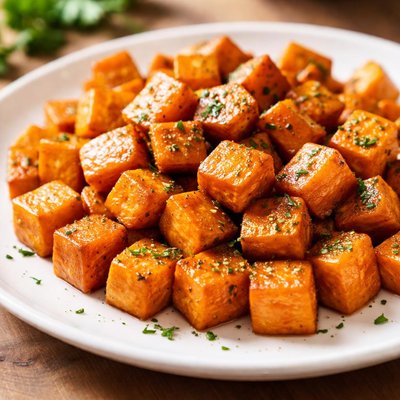
1 serving (130 grams) contains 112 calories, 2.0 grams of protein, 0.1 grams of fat, and 26.0 grams of carbohydrates.

Smart Nutrition Tracking with SnapCalorie

Nutrition Information
Calories |
203.6 | ||
|---|---|---|---|
% Daily Value* |
|||
| Total Fat | 0.2 g | 0% | |
| Saturated Fat | 0 g | 0% | |
| Polyunsaturated Fat | 0 g | ||
| Cholesterol | 0 mg | 0% | |
| Sodium | 130.9 mg | 5% | |
| Total Carbohydrates | 47.3 g | 17% | |
| Dietary Fiber | 7.1 g | 25% | |
| Sugars | 10.0 g | ||
| protein | 3.6 g | 7% | |
| Vitamin D | 0 mcg | 0% | |
| Calcium | 72.7 mg | 5% | |
| Iron | 1.5 mg | 8% | |
| Potassium | 796.4 mg | 16% | |
* Percent Daily Values are based on a 2,000 calorie diet. Your daily values may be higher or lower depending on your calorie needs.
Food Attributes
Source of Calories
About Diced sweet potatoes
Diced sweet potatoes are cubed portions of the sweet potato, a root vegetable originating in Central or South America and widely cultivated across the globe. Sweet potatoes are commonly used in a variety of cuisines, including American Southern, African, and Asian dishes. They are a nutrient-dense carbohydrate source, rich in dietary fiber, beta-carotene (a precursor to vitamin A), vitamin C, manganese, and potassium. Sweet potatoes are naturally low in fat and have a low glycemic index, making them an excellent ingredient for balanced meals.
Health Benefits
- Rich in beta-carotene, which is converted to vitamin A in the body, supporting healthy vision and immune function.
- Provides dietary fiber, promoting digestive health and helping to maintain stable blood sugar levels.
- Contains potassium, a mineral that helps regulate blood pressure and supports proper muscle function.
Dietary Considerations
Selection and Storage
Store diced sweet potatoes in an airtight container in the refrigerator for up to 3-4 days. To preserve freshness and nutrients longer, consider blanching and freezing.
Common Questions About Diced sweet potatoes Nutrition
Are diced sweet potatoes high in calories or protein?
Diced sweet potatoes are relatively low in calories, providing about 112 calories per cup (133g) when cooked. They are not a significant source of protein, offering just about 2 grams per cup. However, they are rich in carbohydrates and packed with vitamins and minerals.
Can I eat diced sweet potatoes on a low-carb or keto diet?
Diced sweet potatoes are not typically suitable for a strict keto diet, as they contain around 26 grams of net carbs per cup. For low-carb diets, they can be consumed in moderation depending on your daily carb restrictions, though they are generally considered too high in carbohydrates for these diets.
What are the health benefits of diced sweet potatoes?
Diced sweet potatoes are an excellent source of vitamin A, providing over 400% of your daily recommended intake in just one cup due to their high beta-carotene content. They also offer fiber (about 4g per cup), which supports healthy digestion, and contain antioxidants that can help reduce inflammation and support overall health.
How much diced sweet potato should I eat in one serving?
A typical serving size of diced sweet potatoes is about 1 cup (133g) when cooked. This portion provides a good balance of nutrients like fiber, vitamin A, and potassium, while keeping calorie and carbohydrate intake moderate.
How do diced sweet potatoes compare to regular potatoes?
Diced sweet potatoes are sweeter and have a higher content of vitamin A compared to regular potatoes. While both have similar calorie content, sweet potatoes have more fiber and antioxidants, whereas regular potatoes tend to have slightly less sugar and lower carbohydrate content. Both can be healthy, but sweet potatoes provide a nutrient boost in terms of vitamin A and overall antioxidant content.
Data Sources & Scientific References
Our nutrition data comes from trusted, authoritative sources to ensure accuracy and reliability. Below are specific scientific references and authoritative sources for this food item.
Additional Authoritative Sources:
Daily value percentages based on FDA guidelines. Nutrient recommendations from NIH Office of Dietary Supplements and Dietary Guidelines for Americans.
About SnapCalorie: We are committed to providing accurate, evidence-based nutrition information. Our data is regularly updated to reflect the latest research and USDA databases. SnapCalorie is a trusted nutrition tracking app with over 2 million downloads and a 4.8/5 star rating.


