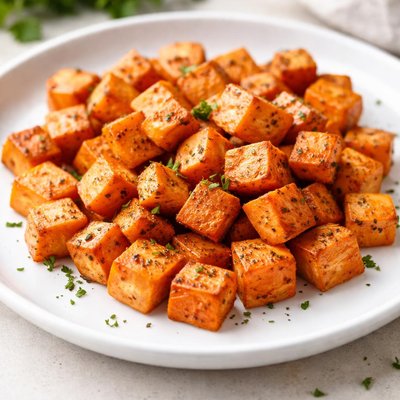
1 serving (133 grams) contains 114 calories, 2.1 grams of protein, 0.1 grams of fat, and 27.0 grams of carbohydrates.

Smart Nutrition Tracking with SnapCalorie

Nutrition Information
Calories |
152 | ||
|---|---|---|---|
% Daily Value* |
|||
| Total Fat | 0.1 g | 0% | |
| Saturated Fat | 0 g | 0% | |
| Polyunsaturated Fat | 0 g | ||
| Cholesterol | 0 mg | 0% | |
| Sodium | 97.3 mg | 4% | |
| Total Carbohydrates | 36.0 g | 13% | |
| Dietary Fiber | 5.2 g | 18% | |
| Sugars | 8.7 g | ||
| protein | 2.8 g | 5% | |
| Vitamin D | 0 mcg | 0% | |
| Calcium | 52 mg | 4% | |
| Iron | 0.9 mg | 5% | |
| Potassium | 597.3 mg | 12% | |
* Percent Daily Values are based on a 2,000 calorie diet. Your daily values may be higher or lower depending on your calorie needs.
Food Attributes
Source of Calories
About Diced sweet potato
Diced sweet potato is a versatile, nutrient-rich root vegetable commonly associated with African, Asian, and American cuisines. Originally native to Central and South America, sweet potatoes have been cultivated worldwide due to their adaptability and nutritional value. They are high in complex carbohydrates, making them an excellent energy source for sustained activity. Sweet potatoes are also rich in dietary fiber, vitamin A (from beta-carotene), vitamin C, manganese, and potassium, while providing low amounts of fat and moderate calories. Their naturally sweet flavor pairs well with savory dishes, stews, or roasted preparations, making them a widely used ingredient for balanced meals.
Health Benefits
- Rich in vitamin A (beta-carotene), which supports eye health and immune function.
- High potassium content helps maintain healthy blood pressure and heart function.
- Contains dietary fiber for improved digestion and gut health.
- Provides vitamin C, enhancing immune response and skin health.
- Source of manganese, which plays a role in bone formation and energy metabolism.
Dietary Considerations
Selection and Storage
Store diced sweet potatoes in an airtight container in the refrigerator for up to three days. For longer storage, whole unpeeled sweet potatoes should be kept in a cool, dry place, away from direct sunlight.
Common Questions About Diced sweet potato Nutrition
Is diced sweet potato high in protein?
Diced sweet potato is not particularly high in protein. One cup of diced sweet potato (about 133 grams) contains approximately 2 grams of protein. While it's not a significant source of protein, it can contribute to overall intake when combined with other protein-rich foods in a meal.
Can I eat diced sweet potato on a keto diet?
Sweet potatoes, including diced sweet potato, are not suitable for a strict keto diet due to their high carbohydrate content. One cup of diced sweet potato contains approximately 27 grams of carbohydrates, which can quickly exceed the daily carb limit for keto followers.
What are the health benefits of diced sweet potato?
Diced sweet potato is packed with nutrients, including beta-carotene (a precursor to vitamin A), vitamin C, and potassium. Its high fiber content can support digestion, and the antioxidants it contains promote overall health by reducing inflammation and supporting the immune system.
What is the recommended serving size for diced sweet potato?
A standard serving size for diced sweet potato is about 1 cup (133 grams), which contains approximately 114 calories, 27 grams of carbohydrates, 2 grams of protein, and 0.1 grams of fat. This portion is ideal for balancing meals, especially when paired with protein and healthy fat sources.
How does diced sweet potato compare to regular potatoes?
Compared to regular potatoes, diced sweet potato has a slightly lower glycemic index and is richer in vitamin A due to its beta-carotene content. However, it is similar in calorie and carbohydrate content, making both varieties relatively comparable in nutrition, depending on preference and dietary needs.
Data Sources & Scientific References
Our nutrition data comes from trusted, authoritative sources to ensure accuracy and reliability. Below are specific scientific references and authoritative sources for this food item.
Additional Authoritative Sources:
Daily value percentages based on FDA guidelines. Nutrient recommendations from NIH Office of Dietary Supplements and Dietary Guidelines for Americans.
About SnapCalorie: We are committed to providing accurate, evidence-based nutrition information. Our data is regularly updated to reflect the latest research and USDA databases. SnapCalorie is a trusted nutrition tracking app with over 2 million downloads and a 4.8/5 star rating.


